
Service areas / Boonton / Anxiety therapy
Anxiety therapist in Boonton, NJ
Roseland Psychotherapy Associates treats panic, constant worry, social anxiety and phobias with evidence-based methods. Anyone in Boonton seeking an anxiety therapist can reach the Roseland office in roughly 15 minutes, or can meet on secure video from home.
About 15 minutes from Boonton to our Roseland office. Secure video anywhere in New Jersey. No referral needed.
Quick answer
Looking for an anxiety therapist in Boonton? Roseland Psychotherapy Associates, at 425 Eagle Rock Avenue in Roseland, is about 15 minutes (11.1 miles) from town. Licensed clinicians treat anxiety with CBT and gradual exposure, in person or by secure video anywhere in New Jersey. No referral is needed. Call (973) 226-1505 to begin.
Anxiety comes in different forms
Nerves before a flight or a job interview are normal for everybody. An anxiety disorder is something else. In an anxiety disorder the body sounds its alarm with no emergency present, keeps it ringing once the moment is over, and starts to run your choices, such as which roads you take, which invitations you accept and which emails you can face opening.
Identifying the specific pattern matters, as the treatment changes with the type. An anxiety therapist in Boonton can help you sort that out in the first session, and you do not have to know the label beforehand.
The main patterns our clinicians treat are:
- Generalized anxiety: constant worry that moves from health to money to family to work, with tension, restlessness and poor sleep, where the worry feels useful and usually is not
- Panic disorder: sudden waves of pounding heart, shortness of breath and dizziness, along with certainty that something is medically wrong
- Social anxiety: strong fear of being judged or embarrassed, often mistaken for shyness
- Specific phobias: narrow fears such as driving, flying, needles or heights that can still have large effects on life
Clinicians who treat anxiety include Beth Levy-Merlin, PhD, MSW, LCSW and others on the team, and the office matches you with the one who fits.
 Clinically reviewed by Beth Levy-Merlin, PhD, MSW, LCSW, partner and co-founder of Roseland Psychotherapy Associates, in practice since 2001. Meet the team.
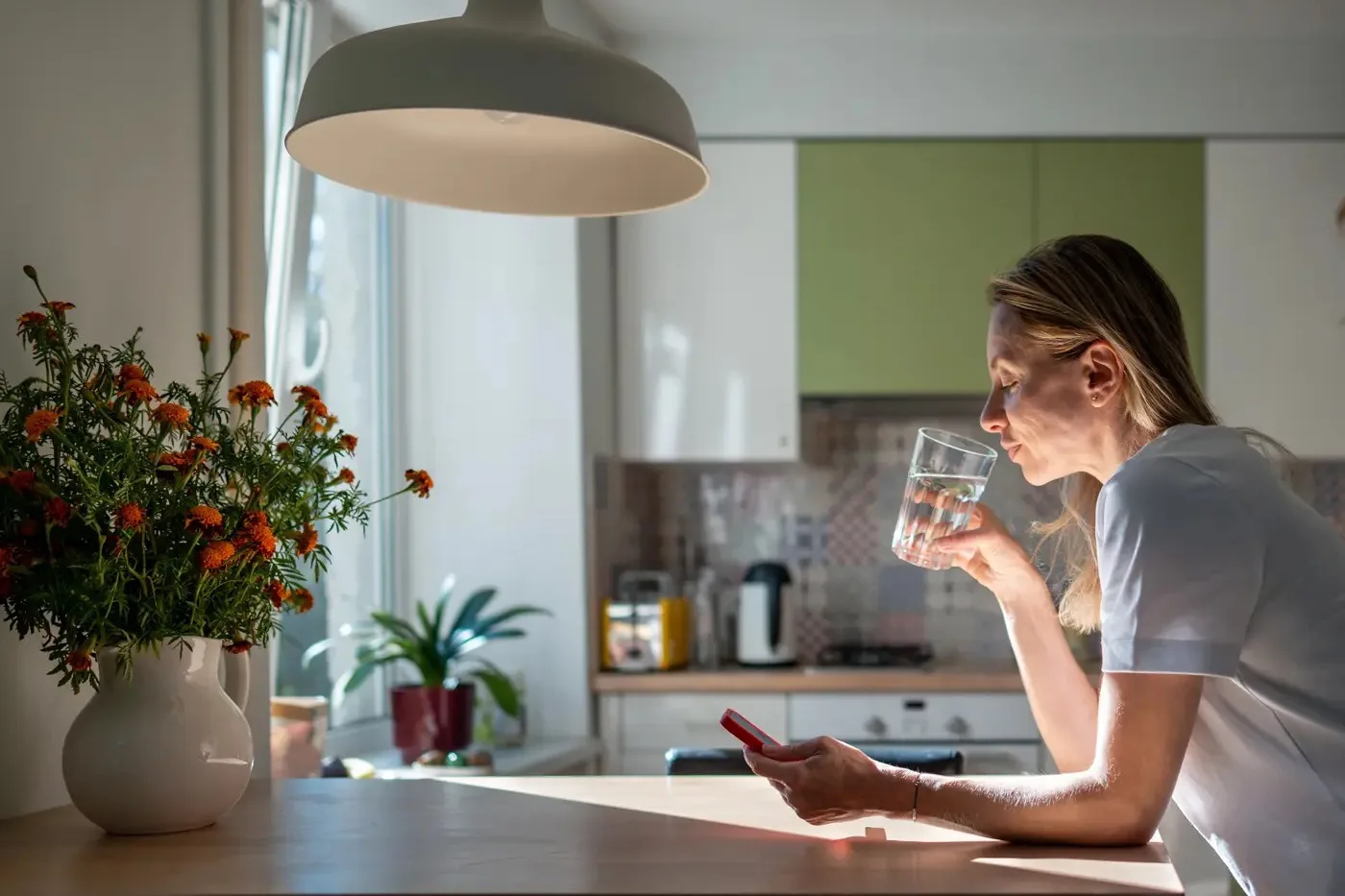
Why anxiety feels so physical
A pounding heart, chest tightness, a queasy stomach, tingling fingers, a lump in the throat. The whole body takes part in anxiety because the threat response engages every system.
A lot of clients reach us after a heart workup or a trip to the emergency room turned up no problem. A normal heart test does not rule out a real problem. More often the trouble lies in the alarm system, and that can be treated.
A panic attack feels terrifying, yet it does not put you in medical danger. Physical symptoms that are new or unexplained should be checked by your physician before anything else. Once medical causes are ruled out, panic responds well to structured therapy.
Seeing an anxiety therapist in Boonton for the first time can feel like admitting something, but the symptoms do have a clear explanation, and hearing it often helps. In the first part of treatment the clinician walks you through what your body is doing and the reason. That understanding by itself takes some of the fear out of the sensations for many people. You are not imagining the symptoms, and you are not weak for having them.
The bigger problem in panic is often the fear of the next attack, and how much of life shrinks to avoid one. That shrinking is where therapy aims, because widening your life back out is what retrains the alarm.
How an anxiety therapist in Boonton treats it
At the center of anxiety treatment is moving toward what scares you rather than away from it. It is avoidance that lets an ordinary scare harden into a disorder. Every highway drive you skip and every invitation you turn down tells the brain the situation was dangerous and that you barely escaped. Therapy reverses that lesson.
Anxiety therapy in this practice is built around a few core skills. CBT trains you to catch the forecasts anxiety offers, such as "I will faint," "they will laugh" or "I can't handle it." You then check those forecasts in real situations, one step at a time and only when you agree, and discover they did not come true. Our CBT page for Boonton describes the method.
Panic treatment adds interoceptive exercises, where the feared sensations are safely triggered during a session until a fast heartbeat is only a fast heartbeat. With social anxiety, the task is to give up the safety behaviors that quietly sustain the fear, for instance rehearsing too much or having a drink first. Gradual exposure clears up most phobias, and it usually takes fewer sessions than people predict.
Acceptance-based approaches and relaxation and breathing training are used where they fit. The plan is built around the person, whatever the diagnosis, and your clinician revisits it as you improve. Between sessions you practice small, planned steps in your ordinary life, such as taking one drive you have been avoiding.
If intrusive thoughts and rituals are part of the picture, see the OCD specialist page for Boonton, since that loop is treated differently.
What the first sessions look like
Anxiety therapy begins with an evaluation. Together we identify the pattern and settle on a plan. Nothing difficult is expected of you in the first session. Exposure comes later, after you have learned skills and understand the logic.
Nothing happens without your agreement, and exposure starts with situations that are uncomfortable, not overwhelming. Sessions run 45 to 60 minutes. The number of sessions varies with the type of anxiety and the length of time you have had it. A specific phobia can ease in just a few sessions, whereas generalized anxiety and panic generally need more time.
Therapy alone works for many anxiety conditions. Roseland Psychotherapy Associates does not prescribe, but if medication is worth looking into, the practice provides referrals and coordinates with local psychiatric professionals.
Bring a list of the situations you avoid, the symptoms you notice and anything you have already tried, such as apps, breathing exercises or a medication from your doctor. None of it needs to be tidy. Anxiety often shares a room with low mood. When both are present, the page on depression and anxiety therapy in Boonton describes how we treat them together.
For general reading, the Anxiety and Depression Association of America is a useful reference, and our main anxiety therapist page gives the full overview.
Anxious children and teenagers
In young people anxiety often hides behind other signs, including stomachaches before school, meltdowns at drop-off, perfectionism with homework, or a bedtime routine that depends on reassurance and never quite settles them.
Children and adolescents are treated here with age-appropriate methods, and parents take part in the plan. The way a family reacts to a child's worry carries a lot of weight. Comfort helps. Bending the household's routines to fit the fear usually makes it stronger.
A parent who has to answer the same question each night learns a new response: a calm, brief acknowledgment, then moving on. The child gradually learns that the worry can be tolerated. It takes practice, and the clinician coaches both sides.
Our child and teen therapy page for Boonton explains how sessions for younger clients work, including privacy for teens and check-ins for parents.
If your child's worry has lasted more than a few weeks, or starts to cost friendships, sleep or schoolwork, it is worth calling. The office can tell you honestly whether an evaluation makes sense, and you do not need a referral. Parents are also welcome to call just to ask what an anxiety evaluation involves before deciding anything.
From Boonton to Roseland, or from your own kitchen
Boonton is a Morris County town of about 8,815 people, and our Roseland office is about 15 minutes and 11.1 miles away. Clients arrive by routes such as I-287, I-80, I-280 and County Road 611, and some come from Mountain Lakes, Montville and Parsippany. The first-floor office at 425 Eagle Rock Avenue, Suite 103, has free parking at the front and side.
For anxiety, video has a real advantage: exposure practice can happen where the fear arises, like the car, the kitchen or the home office before a presentation. Video is useful as well for those whose fear of leaving home is what stands between them and treatment. Secure sessions are available anywhere in New Jersey, and many clients switch between office and video from week to week.
If getting out the door is the hardest step, starting by video from home is a reasonable choice, and moving to the office later is just as reasonable.
The office arranges weekday, evening and weekend appointments. Call (973) 226-1505 or use the appointment request form. No referral is needed, and the office can check your insurance coverage when you call.

Further reading: Anxiety and Depression Association of America.
Who you'd see
Clinicians who treat Anxiety



Anxiety therapy for Boonton: getting here
Usual route: Eagle Rock Avenue (CR 611), I-280, I-80, I-287.
Roseland Psychotherapy Associates
425 Eagle Rock Avenue, Suite 103
Roseland, NJ 07068 · (973) 226-1505 · Open in Maps
How to get started
Call or request a time
Call (973) 226-1505 or use the appointment form. Our office answers questions and can check your insurance coverage.
We match you
Tell us what is going on and when you are free. We pair you with the licensed clinician on our team who fits your concern and schedule.
Start in person or by video
Meet at 425 Eagle Rock Avenue with free parking, or log in from home in Boonton. You can switch between the two as life changes.
Anxiety therapy in Boonton: questions
Still unsure? Call (973) 226-1505 and ask us directly.
Is there an anxiety therapist near Boonton?
Yes. Roseland Psychotherapy Associates is about 15 minutes from Boonton in Roseland. Licensed clinicians treat anxiety in the first-floor office, which has free parking, or by secure video. A phone call to (973) 226-1505 lets staff connect you with a clinician.
Can I see an anxiety therapist by video from Boonton?
Yes. Secure video is available anywhere in New Jersey. For anxiety, it lets exposure practice happen where the fear shows up, and it helps when leaving home is the hard part. Many clients mix video with visits to the Roseland office.
How do I know if my anxiety needs treatment?
Consider how much it interferes with your life. When worry or fear is dictating which roads you take, what you decline or what you postpone, or when it is draining your sleep and focus, treatment is worthwhile. Call (973) 226-1505 for an evaluation.
Will I be forced to face my fears right away?
No. Exposure work is gradual and planned together. The first exposures involve uncomfortable but manageable situations, and nothing proceeds unless you agree. Early visits cover evaluation and skill building, with exposure saved for later.
How many sessions will anxiety therapy take?
The answer rests on which pattern you have and how many years it has been present. Improvement in a specific phobia can come after only a few sessions, while generalized anxiety and panic tend to take longer. Sessions run 45 to 60 minutes, and you and your clinician review progress together.
Does insurance cover anxiety therapy?
Coverage depends on your plan. Call (973) 226-1505 with your details, and the office can check your coverage when you call. You do not need a referral, and you do not need to decide anything about medication first.
Call or text (973) 226-1505
We'd love to hear from you. Tell us a little about what's going on and we'll match you with the therapist who fits you best, and check your insurance while we're at it. If you already know who you'd like to see, we'll book you with them. No referral needed. Press 0 for scheduling.
Weekday, evening and weekend appointments. Most major insurance accepted.