
Services / Anxiety Therapy
Anxiety therapy in New Jersey.
Treatment for generalized anxiety, panic, social anxiety, and phobias with licensed clinicians at Roseland Psychotherapy Associates. See us in Roseland, or by secure video from anywhere in New Jersey.
12 of our clinicians do this work. We'll match you with the one who fits you best. You don't need a referral. Sessions are in our Roseland office or by secure video anywhere in New Jersey.
Who you'd see
Clinicians who treat Anxiety
 Monica AvisadoMSW, LCSWAccepting new clientsRead Monica's bio
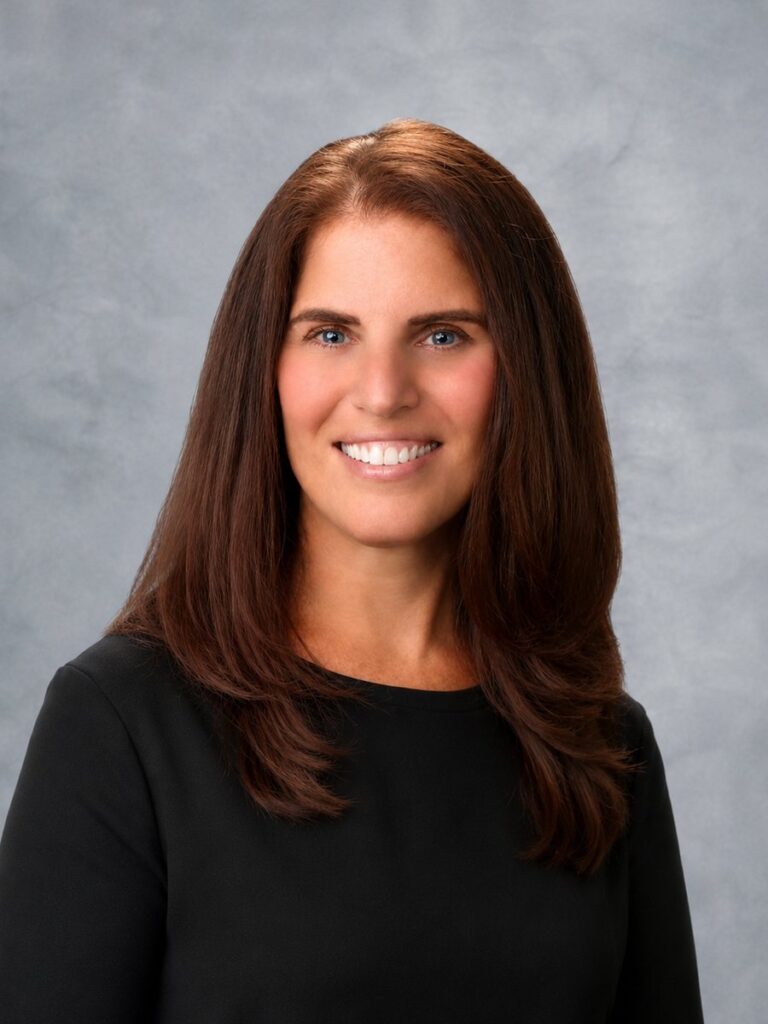 Robin BernsteinLCSWAccepting new clientsRead Robin's bio
 Lisa CardinalLPC, NCCAccepting new clientsRead Lisa's bio
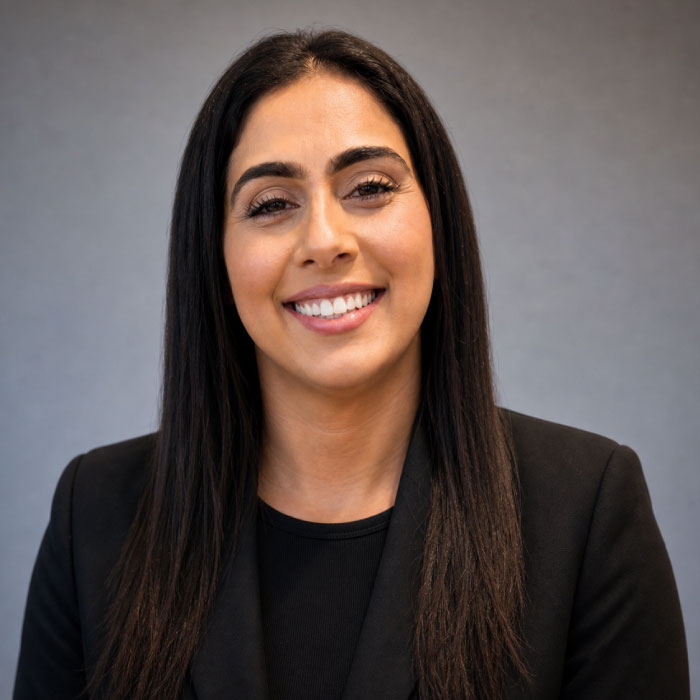 Danielle CitoLicensed Professional CounselorAccepting new clientsRead Danielle's bio
 Eric LatzmanLCSWAccepting new clientsRead Eric's bio
 Brooke GottheimerLCSW, PMH-CAccepting new clientsRead Brooke's bio
Anxiety comes in different forms
Everyone feels anxious before a flight or a job interview. An anxiety disorder is something else. The body's alarm goes off when there is no emergency, keeps going after the moment has passed, and starts making decisions for you: which roads you drive, which invitations you accept, which emails you can bring yourself to open. It helps to name which pattern is at work, because treatment differs by type.
The main patterns we treat
- Generalized anxiety: constant worry that moves from health to money to family to work, along with tension, restlessness, and poor sleep. The worry feels useful. It usually isn't.
- Panic disorder: sudden waves of pounding heart, shortness of breath, dizziness, and certainty that something is medically wrong. The bigger problem is often the fear of the next attack, and how much of life gets cut back to avoid one.
- Social anxiety: strong fear of being judged, watched, or embarrassed. It is often mistaken for shyness. Many people with social anxiety do fine in the moment, then pay for it with hours of rehearsing beforehand and replaying afterward.
- Specific phobias: driving, flying, needles, vomiting, animals, heights. These are narrow fears, but they can have large effects. A needle phobia can keep someone away from medical care for a decade.
Why anxiety feels physical
Racing heart, tight chest, upset stomach, tingling hands, a lump in the throat. Anxiety shows up in the whole body because the threat response involves the whole body. Many of our clients come to us after a cardiac workup or an emergency room visit found nothing wrong. A healthy heart does not mean nothing is wrong. Usually it means the alarm itself is the problem, and the alarm can be treated. Early in therapy we explain what the body is doing and why. For many people, knowing that alone makes the sensations less frightening.
 Clinically reviewed by Julie Potischman, PhD, LPC,
partner and co-founder of Roseland Psychotherapy Associates, in practice
since 2001. Meet the team.
How treatment works
The core of anxiety treatment is approaching what you fear instead of avoiding it. Avoidance is what turns a scare into a disorder. Each skipped highway drive or declined invitation teaches the brain that the situation really was dangerous and that you got away. Therapy reverses that lesson. In CBT you learn to notice the predictions anxiety makes (“I will faint,” “they will laugh,” “I can't handle it”). Then you test them in real situations, step by step and only with your agreement, and find out they were wrong.
For panic, this includes interoceptive work: bringing on the feared sensations in session, safely, until a racing heart is just a racing heart. For social anxiety, it means dropping the safety behaviors that quietly keep the fear going, such as over-rehearsing, avoiding eye contact, or drinking beforehand. For phobias, gradual exposure resolves most cases in fewer sessions than people expect. Our clinicians also use acceptance-based approaches and relaxation and breathing training where they fit. The plan is built around the person, whatever the diagnosis.
Anxious children and teenagers
Anxiety in young people often looks like something else: stomachaches on school mornings, meltdowns at drop-off, perfectionism over homework, or a bedtime routine built on reassurance that never quite works. Our clinicians treat children and adolescents with methods adapted to their age, and parents are part of the plan. How a family responds to a child's worry matters a great deal. Comfort helps. Rearranging the household around the fear tends to feed it.
Teletherapy across New Jersey
We offer secure video sessions anywhere in New Jersey. For anxiety this has a real advantage: exposure practice can happen where the fear actually shows up, like the car, the kitchen, or the home office before a presentation. Video also helps when fear of leaving the house is the very thing keeping someone from treatment. Many clients switch between the office and video from week to week.
Where we see clients
Our office is at 425 Eagle Rock Avenue, Suite 103, Roseland. It is on the first floor and wheelchair accessible, with free parking at the front and side. Clients come from across Essex County and nearby towns, and by teletherapy from anywhere in the state. Contact us to get started.
Anxiety therapy near you
Nearby towns each have a page on getting anxiety therapy from our Roseland office or by video.
All 63 towns by county
Essex County
Morris County
- Boonton
- Cedar Knolls
- Chatham
- Convent Station
- Denville
- Dover
- East Hanover
- Florham Park
- Green Village
- Hibernia
- Lake Hiawatha
- Lake Intervale
- Lincoln Park
- Madison
- Montville
- Morris Plains
- Morristown
- Mount Tabor
- Mountain Lakes
- Parsippany
- Pequannock
- Pine Brook
- Pompton Plains
- Riverdale
- Taylortown
- Towaco
- Troy Hills
- Victory Gardens
- Whippany
Common questions
For anything not covered here, call (973) 226-1505.
How do I know if my anxiety needs treatment?
Look at how much it gets in the way. If worry or fear is steering your choices about what you drive, turn down, put off, or grit your teeth through, or if it is costing you sleep and concentration, it is worth treating. Call (973) 226-1505 for an evaluation.
Will I be forced to face my fears right away?
No. Exposure work is gradual and planned together. It starts with situations that are uncomfortable, not overwhelming. Nothing happens without your agreement. The first sessions are for evaluation and skills, and exposure comes later.
Are panic attacks dangerous?
Panic attacks are very frightening, but they are not medically dangerous. If you have new or unexplained physical symptoms, see your physician first. Once medical causes are ruled out, panic responds very well to structured therapy.
Can anxiety be treated without medication?
Often, yes. Therapy alone works for many anxiety conditions. We do not prescribe, but if medication is worth looking into, Roseland Psychotherapy Associates provides referrals and coordinates with local psychiatric professionals. Contact us to talk it through.
How many sessions will it take?
That depends on the pattern and how long it has been going on. Specific phobias often improve in a handful of sessions. Generalized anxiety and panic usually take longer. Sessions run 45 to 60 minutes, usually weekly, and we review progress with you as we go.
Is treatment covered by insurance?
We accept most major New Jersey plans. Coverage may be full or partial depending on your plan, and superbills are available for out-of-network reimbursement. Call with your details and we will confirm before you book.
What kind of therapy works best for anxiety?
Cognitive behavioral therapy, including gradual exposure work, is one of the most widely studied approaches for anxiety, and our clinicians use it often. Treatment is tailored to the pattern you have, whether that is generalized worry, panic, social anxiety or a specific phobia. You learn to read the body's false alarms, question anxious predictions and step back into the parts of life anxiety has taken over. Learn more on our CBT page.
What happens at a first anxiety therapy appointment?
Your first appointment is a conversation about what you are experiencing and how it affects your day. Your clinician will ask when the anxiety started, what sets it off, what you avoid and what you hope will change. Nothing is forced, and you will not be asked to face a fear in the first session. By the end you should have a clear sense of the plan and what the next few sessions will focus on.
Is online anxiety therapy as helpful as seeing someone in person?
For many people, yes. Secure video works well for most anxiety treatment, and we offer it anywhere in New Jersey. Some clients find it easier to start from home, especially when anxiety makes driving or waiting rooms hard. Others prefer the structure of coming to our Roseland office. Exposure work can happen either way, and your clinician will help you decide which setting fits your goals best.
How do you match me with the right anxiety therapist?
When you call, we ask what the anxiety looks like for you, such as panic attacks, constant worry, social fear or a specific phobia, along with your schedule and whether you prefer in-person or video. We then pair you with a licensed clinician whose experience fits that concern. If the fit does not feel right after a few sessions, tell us and we will help you switch. You can also browse our team first.
Is there an anxiety therapist near Montclair, Verona or Parsippany?
Yes. Roseland Psychotherapy Associates is at 425 Eagle Rock Avenue in Roseland, a convenient drive from Montclair, Verona, Cedar Grove, Parsippany, Livingston and West Orange. The office is on the first floor with free parking, and we offer weekday, evening and weekend appointments. If you would rather not drive, secure video sessions are available anywhere in New Jersey. No referral is needed to book.



Call or text (973) 226-1505
We'd love to hear from you. Tell us a little about what's going on and we'll match you with the therapist who fits you best, and check your insurance while we're at it. If you already know who you'd like to see, we'll book you with them. No referral needed. Press 0 for scheduling.
Weekday, evening and weekend appointments. Most major insurance accepted.