
Services / Depression and Anxiety Therapy
Depression and anxiety therapy in New Jersey.
Evidence-based treatment for low mood, worry, and the overlap between them. Licensed clinicians at Roseland Psychotherapy Associates see clients in person in Roseland and by secure video statewide.
12 of our clinicians do this work. We'll match you with the one who fits you best. You don't need a referral. Sessions are in our Roseland office or by secure video anywhere in New Jersey.
Who you'd see
Clinicians who treat Depression and Anxiety
 Susan SalerLCSWAccepting new clientsRead Susan's bio
 Laura StypulkoskiLPC, ATR-BC, NCCAccepting new clientsRead Laura's bio
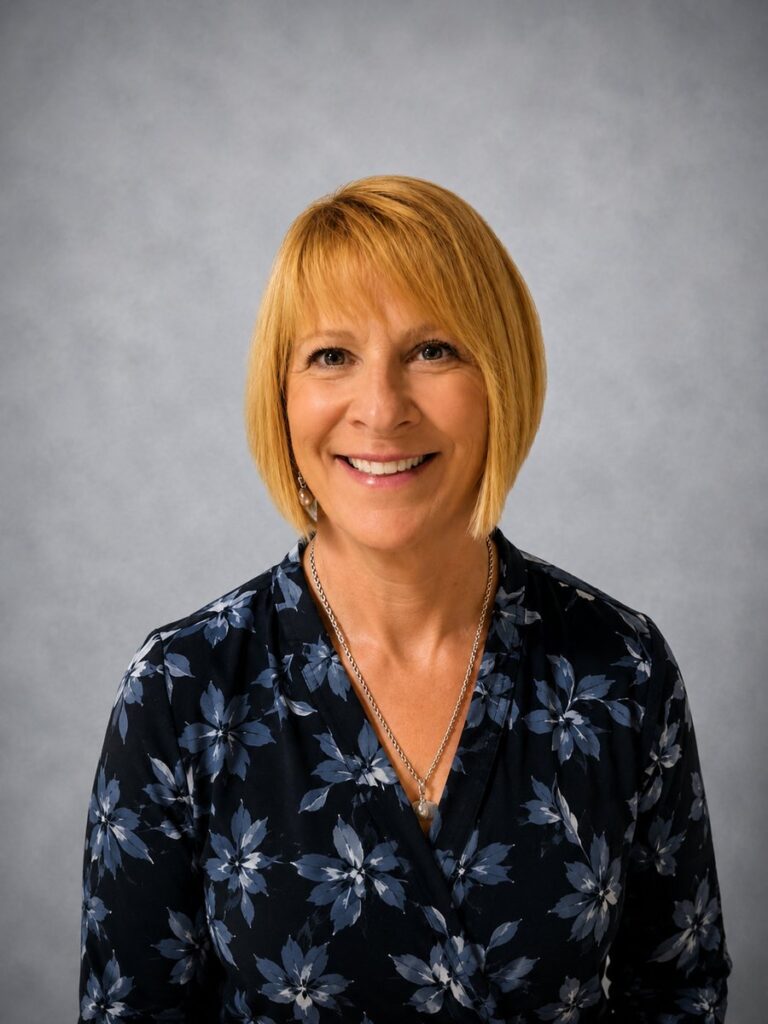 Carol TudorLPC EMDRAccepting new clientsRead Carol's bio
 Beth Levy-MerlinPhD, MSW, LCSWAccepting new clientsRead Beth's bio
 Monica AvisadoMSW, LCSWAccepting new clientsRead Monica's bio
 Robin BernsteinLCSWAccepting new clientsRead Robin's bio
Two conditions that often occur together
Depression and anxiety are often described as opposites. One feels flat and the other feels wound tight. Yet roughly half the people who have one also meet criteria for the other. Anxiety says something bad is coming. Depression says nothing good is. Having both means bracing for a threat without the energy to face it, and that is more exhausting than either condition alone.
Each one also makes the other worse. Anxiety leads people to avoid things: the party, the difficult email, the doctor's appointment. Over time, avoidance shrinks life until little in it feels rewarding, which sets the stage for depression. Depression then drains the follow-through needed to face anxious situations, so the avoidance grows. If treatment addresses one and ignores the other, the cycle usually stays in place.
What each looks like day to day
- Depression. Persistent low mood or numbness, loss of interest in things that used to matter, changes in sleep and appetite, slowed thinking, and guilt out of proportion to events. Some people feel irritable more than sad.
- Anxiety. Worry that will not switch off, restlessness, muscle tension, trouble concentrating, and sleep that comes late or breaks early. The body acts as if danger is near when it is not.
- The overlap. Fatigue, poor sleep, trouble concentrating and pulling away from people show up in both. That is one reason a careful evaluation matters before treatment starts.
 Clinically reviewed by Beth Levy-Merlin, PhD, MSW, LCSW,
partner and co-founder of Roseland Psychotherapy Associates, in practice
since 2001. Meet the team.
How therapy approaches depression and anxiety
Cognitive Behavioral Therapy (CBT) has the strongest research support for both conditions. CBT looks at the links between what you think, what you feel and what you do. You learn to spot the automatic interpretations that keep mood low or worry high, check them against the evidence, and change the behaviors that hold the pattern in place. For depression this often means behavioral activation: getting back in contact with activities and people before motivation returns. Motivation usually follows action, not the other way around. For anxiety it means gradually approaching what you have been avoiding, so the alarm system learns to settle.
Our clinicians use other methods as well. Acceptance and Commitment Therapy helps people make room for difficult feelings while moving toward what they value. Psychodynamic work looks at long-standing patterns in relationships and in how you see yourself. DBT-informed clinicians on staff teach concrete skills for managing intense emotion. We choose the approach to fit the person, and many people use a blend of methods over the course of treatment.
How treatment is structured
- Evaluation. The first session covers symptoms, history, sleep, stressors, and what you have tried before.
- A shared plan. You and your clinician agree on goals and an approach, and revisit both as treatment goes on.
- Weekly sessions. Sessions run 45 to 60 minutes, usually once a week. You and your clinician adjust the frequency as things improve.
- Practice between sessions. In CBT, much of the change happens outside the office, through small assignments you help design.
Roseland Psychotherapy Associates does not prescribe medication. If medication is worth considering, we coordinate with local psychiatric professionals and provide referrals, and therapy continues alongside it.
When to seek help
A reasonable guideline: low mood or worry that has lasted more than a couple of weeks, or that has started to cost you something. That might be sleep, work, school performance, relationships, or activities you used to enjoy. You do not need to be in crisis to benefit from therapy, and treatment is generally easier when it starts earlier. If you are having thoughts of harming yourself, call or text 988, the Suicide and Crisis Lifeline, at any hour.
Children and teenagers
Both conditions can look different in young people. Depressed teens are often irritable rather than sad. Anxious children may have stomachaches, refuse to go to school, or need reassurance over and over at bedtime. Our clinicians see children, adolescents and families, and parents are part of the plan. A household that knows how to respond to a child's worry without accommodating it is one of the most useful tools in treatment.
Teletherapy across New Jersey
Every service on this page is available by secure video anywhere in New Jersey. Video helps when depression makes leaving the house feel impossible, or when a schedule has no room for a commute. It shortens the distance between deciding to get help and getting it. Many clients mix in-person and video sessions from week to week.
Where we see clients
Our office is at 425 Eagle Rock Avenue, Suite 103, in Roseland. It is on the first floor and wheelchair accessible, with free parking at the side and front of the building. We see clients from Essex County and surrounding towns in person, and across the state by teletherapy. Contact us to get started.
Depression and anxiety therapy near you
Nearby towns each have a page on getting depression and anxiety therapy from our Roseland office or by video.
All 63 towns by county
Essex County
Morris County
- Boonton
- Cedar Knolls
- Chatham
- Convent Station
- Denville
- Dover
- East Hanover
- Florham Park
- Green Village
- Hibernia
- Lake Hiawatha
- Lake Intervale
- Lincoln Park
- Madison
- Montville
- Morris Plains
- Morristown
- Mount Tabor
- Mountain Lakes
- Parsippany
- Pequannock
- Pine Brook
- Pompton Plains
- Riverdale
- Taylortown
- Towaco
- Troy Hills
- Victory Gardens
- Whippany
Common questions
If your question is not answered here, call (973) 226-1505 and we'll talk it through.
Can depression and anxiety be treated at the same time?
Yes, and usually they should be, because each one keeps the other going. Approaches like CBT target the avoidance and thinking patterns the two share. Your clinician will decide what to work on first based on what is costing you the most right now.
How long does therapy take?
It depends on severity, history and goals. With structured approaches like CBT, people often see measurable progress within the first couple of months of weekly sessions. You and your clinician review progress together along the way.
Do I need medication?
Many people improve with therapy alone. When medication is worth considering, Roseland Psychotherapy Associates coordinates with local psychiatric professionals and provides referrals. We do not prescribe, and therapy continues alongside any medication. Contact us to discuss your situation.
How do I know if what I feel is bad enough for therapy?
If it has lasted more than a couple of weeks, or it is costing you sleep, work or relationships, that is enough. You do not need a diagnosis, a referral or a crisis to call (973) 226-1505.
Do you take my insurance?
We work with most major New Jersey plans, and insurance may cover treatment in full or in part. For out-of-network plans we provide superbills for reimbursement. Call with your plan details and we will confirm coverage before your first appointment.
Do you see children and teens for depression and anxiety?
Yes. Our clinicians work with children, adolescents, adults, couples and families. When a child is in treatment, parents are included in the plan.
What are common signs of depression and anxiety together?
Common signs of depression and anxiety together include constant worry paired with low energy, trouble sleeping, irritability, loss of interest in things you used to enjoy and avoiding plans you once looked forward to. Many people describe feeling on edge and exhausted at the same time. If these feelings last more than a couple of weeks or get in the way of work or relationships, it is a good time to reach out.
What does treatment for depression and anxiety look like week to week?
Treatment usually means weekly sessions with a licensed clinician who works on both conditions together. Early sessions focus on understanding your patterns and easing the most pressing symptoms, such as sleep, avoidance or constant worry. Over time you build skills for challenging unhelpful thoughts, getting active again and stepping back into things anxiety has taken away. Your clinician adjusts the plan as you go.
Is video therapy effective for depression and anxiety?
Yes, secure video therapy is an effective option for many people with depression and anxiety, and we offer it anywhere in New Jersey. It can be especially helpful on days when low energy makes leaving the house hard. Some people prefer the routine of coming to our first-floor Roseland office with free parking. You can choose either, or use both depending on the week.
When should I seek help right away for depression?
Seek help right away if you are having thoughts of suicide or self-harm, feel unable to keep yourself safe, or notice symptoms getting rapidly worse. Call or text 988 to reach the Suicide and Crisis Lifeline at any hour, or go to the nearest emergency room. Once you are safe, call us at (973) 226-1505 and we will help you set up ongoing care with a licensed clinician.
Is there a depression and anxiety therapist near West Orange, Livingston or Millburn?
Yes. Roseland Psychotherapy Associates is at 425 Eagle Rock Avenue in Roseland, a quick drive from West Orange, Livingston, Millburn, Short Hills, Caldwell and Montclair. The first-floor office has free parking, and we offer weekday, evening and weekend appointments. If the drive is hard, secure video is available anywhere in New Jersey. No referral is needed, and most major insurance is accepted.
From our therapists' blog
All articles


Call or text (973) 226-1505
We'd love to hear from you. Tell us a little about what's going on and we'll match you with the therapist who fits you best, and check your insurance while we're at it. If you already know who you'd like to see, we'll book you with them. No referral needed. Press 0 for scheduling.
Weekday, evening and weekend appointments. Most major insurance accepted.