
Services / Couples Counseling
Couples counseling in New Jersey.
Counseling for two people and the relationship between them. A licensed clinician at Roseland Psychotherapy Associates works on the relationship itself, in person in Roseland or by secure video statewide.
7 of our clinicians do this work. We'll match you with the one who fits you best. You don't need a referral. Sessions are in our Roseland office or by secure video anywhere in New Jersey.
Who you'd see
Clinicians who treat Couples Counseling and Relationship issues
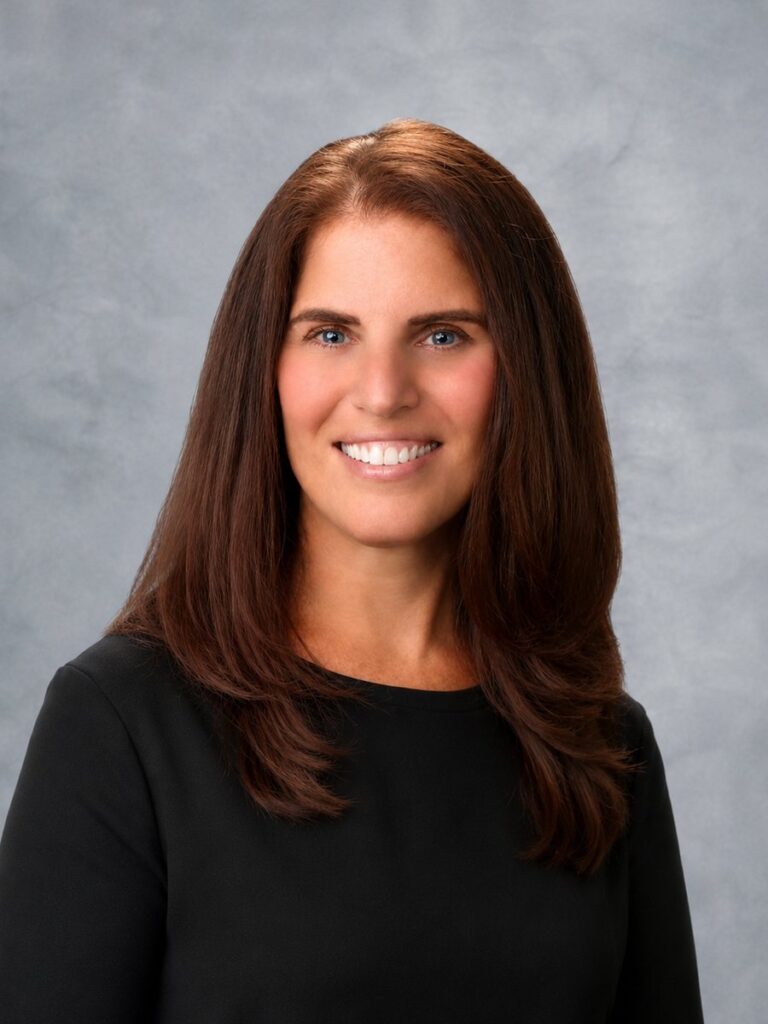 Robin BernsteinLCSWAccepting new clientsRead Robin's bio
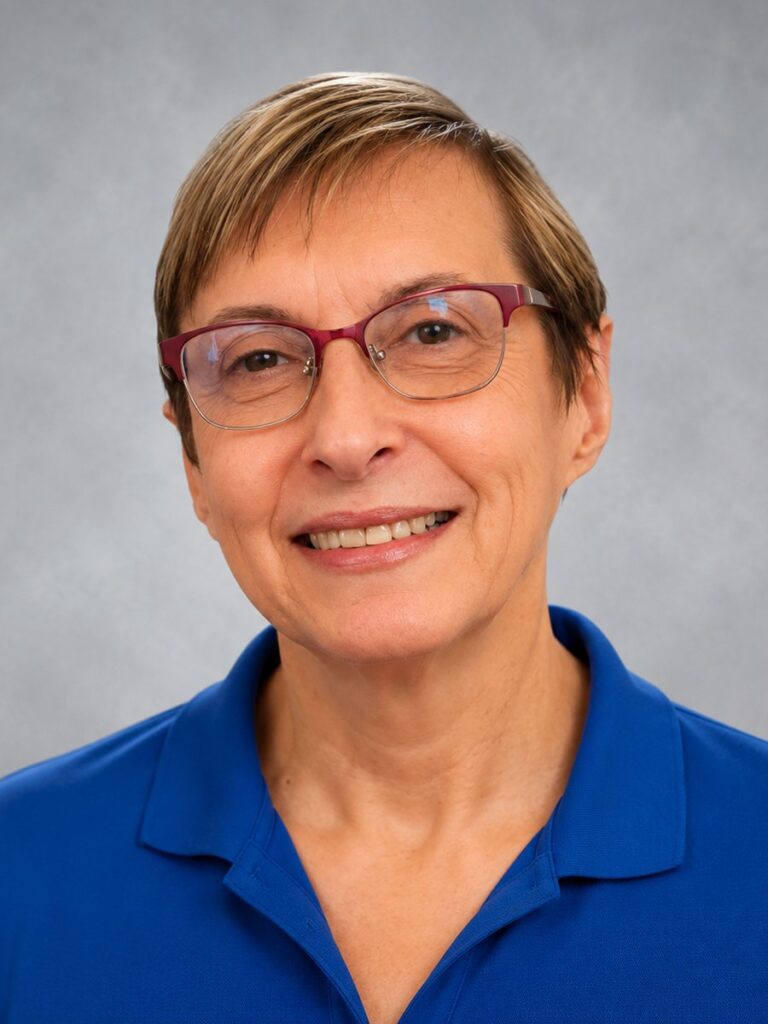 Maxine BockLCSW, CSTAccepting new clientsRead Maxine's bio
 Lisa CardinalLPC, NCCAccepting new clientsRead Lisa's bio
 Peter LawsonMA, LPCAccepting new clientsRead Peter's bio
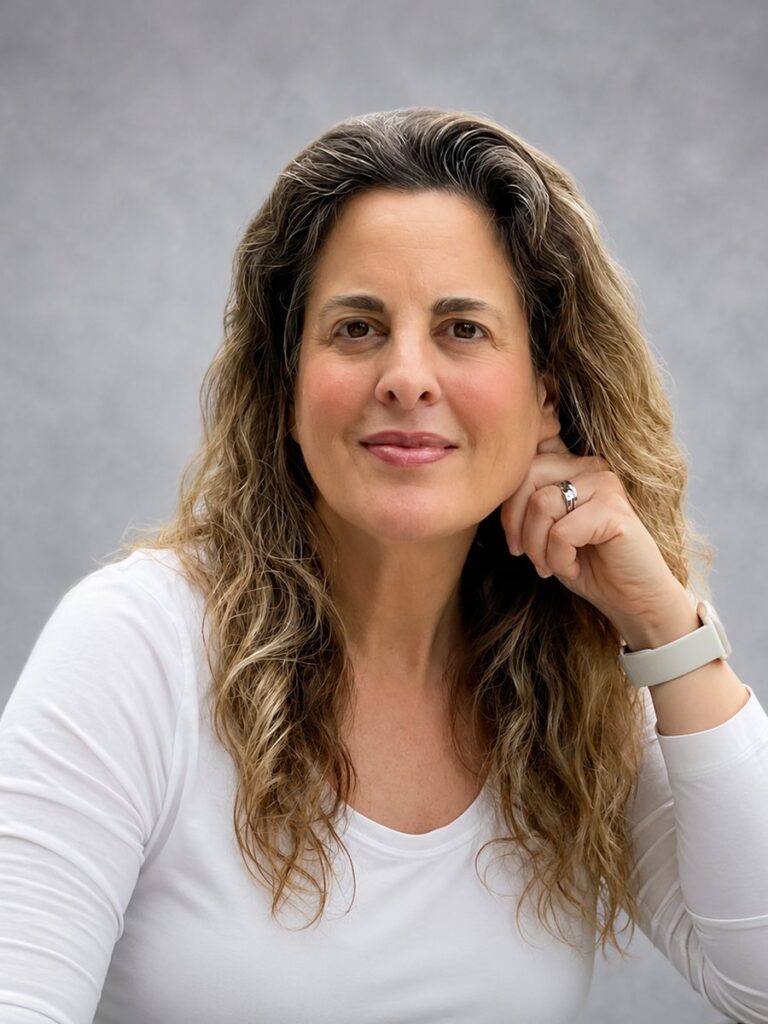 Susan SalerLCSWAccepting new clientsRead Susan's bio
 Beth Levy-MerlinPhD, MSW, LCSWAccepting new clientsRead Beth's bio
You do not need a crisis to come
Most couples wait years longer than they need to. By the time they call, the same argument has repeated so often that each person can recite the other's lines. Counseling can help at any stage. We see dating couples deciding whether to move in together, partners planning a wedding, and couples ten years in who feel more like roommates. Earlier is easier. The pattern is smaller, and neither person has given up.
The clinician's client is the relationship. Neither partner is the patient, and neither one is on trial.
Common reasons couples call
- The same fight, every time. The topic changes, the steps stay the same, and nothing gets resolved.
- Communication that has gone flat. You talk about logistics and little else.
- A decision you cannot make alone. Moving, marriage, children, or a career change that affects you both.
- Premarital preparation. Talking through expectations about money, family and roles before they turn into conflicts.
- Good teammates who lost the connection. No betrayal and no blowups, but a distance neither of you chose.
 Clinically reviewed by Julie Potischman, PhD, LPC, partner and
co-founder of Roseland Psychotherapy Associates, in practice since 2001.
Meet the team.
Understanding the conflict cycle
Early in couples work, most people find that the fight is rarely about the dishes. Under most repeating arguments is a cycle. One partner pursues and the other withdraws. The pursuit gets louder, the withdrawal goes further, and each person's way of coping is exactly what sets off the other. When the clinician names that cycle out loud, with both of you watching it happen in the room, it starts to lose its hold. You begin to treat the pattern as the problem instead of each other.
Then the practical work begins. You learn to raise a complaint without attacking, to hear one without counterattacking, and to repair things after the conversations that still go badly. Some of them will.
How couples sessions are structured
- A joint first session covers the history of the relationship and what each of you wants from counseling.
- Individual check-ins may follow. One session with each partner is common early on, so the clinician hears each side in full.
- Ongoing sessions are together, 45 to 60 minutes, usually weekly at first and less often as things improve.
- Practice between sessions matters. It might be a structured conversation to try at home, or ten minutes each night without screens. Small assignments carry the work into the rest of the week.
Rebuilding closeness after the fighting slows
Less conflict is where the work starts, and couples who finish counseling well usually describe more than quieter evenings. They became curious about each other again. Part of the work is rebuilding the habits that made the relationship good to begin with, like real attention, appreciation said out loud, and time together that is not about errands. If deeper concerns come up, such as intimacy or the aftermath of a betrayal, we can bring in clinicians with that specific training. The practice includes AASECT-certified sex therapists and clinicians experienced in affair recovery.
Teletherapy across New Jersey
Couples sessions work well over secure video. With two work schedules to coordinate, video is often what makes it possible to start at all. You can join from the same couch or from two different places. Roseland Psychotherapy Associates offers teletherapy anywhere in New Jersey, and many couples alternate office visits with video weeks.
Where we see clients
The office is at 425 Eagle Rock Avenue, Suite 103, Roseland. It is on the first floor and wheelchair accessible, and parking is free at the front and side. Couples come to us from Essex County and nearby towns, and by video from anywhere in New Jersey. Contact us to request a first appointment.
Common questions
If your question is not answered here, call (973) 226-1505 and we'll talk it through.
My partner is reluctant. Should I wait?
No. You can come on your own. Working on your side of the pattern changes the relationship too, and reluctant partners often join after a few weeks. Call (973) 226-1505 and we will suggest how to start.
Will the therapist take sides?
The clinician works for the relationship. Expect each of you to feel challenged at some points and supported at others. If one partner keeps feeling ganged up on, say so in session. That is useful material for the work, and the clinician can address it.
We are not married. Is this still for us?
Yes. We see dating, engaged, cohabiting and long-term partners. Married couples working through a long shared history may also want to read about our marriage therapy.
How long does couples counseling take?
There is no set length. Some couples get what they need from a few months of weekly sessions. Patterns that have been in place a long time take longer. You and your clinician will review how often to meet, and for how long, as you go.
Does insurance cover couples counseling?
Coverage for couples work varies more than for individual therapy, so it is worth checking first. Call (973) 226-1505 with your plan details. We also provide superbills for out-of-network reimbursement.
What is couples counseling, and what does it help with?
Couples counseling is therapy for two people that focuses on the relationship itself. It helps with repeating arguments, communication that has gone flat, big shared decisions, premarital preparation and couples who feel more like roommates than partners. Neither person is the patient. The clinician helps you both see the pattern you are caught in and practice new ways of talking, listening and repairing after conflict.
What are signs it is time for couples counseling?
It is time for couples counseling when the same fight keeps coming back, when you mostly talk about logistics, or when one of you has started to pull away. Other signs include avoiding hard topics, feeling lonely in the relationship or facing a decision you cannot agree on. You do not need to be in crisis. Couples who come in earlier often find the work easier.
What happens during a first couples counseling session?
In a first couples session, the clinician asks each of you what brought you in and what you hope will change. You will talk about your history together, your strengths as a couple and the pattern that keeps tripping you up. The clinician makes sure both people get a fair hearing. Some clinicians also schedule a brief individual session with each partner early on to understand each perspective.
Can we do couples counseling online if we live in different parts of New Jersey?
Yes. Secure video counseling is available anywhere in New Jersey, and partners can join from the same room or from separate locations. It works well for busy couples, long commutes or partners who travel for work. Many couples prefer the in-person feel of our Roseland office, which has free parking and evening and weekend appointments. You can switch between the two as your schedule allows.
Is there a couples counselor near Montclair, Verona or Cedar Grove?
Yes. Our Roseland office at 425 Eagle Rock Avenue is a short drive from Montclair, Verona, Cedar Grove, Caldwell, Livingston and West Orange. It is on the first floor with free parking, and we offer evening and weekend appointments that work for both partners. Secure video is also available anywhere in New Jersey. For married couples with a long shared history, see our marriage therapy page.


Call or text (973) 226-1505
We'd love to hear from you. Tell us a little about what's going on and we'll match you with the therapist who fits you best, and check your insurance while we're at it. If you already know who you'd like to see, we'll book you with them. No referral needed. Press 0 for scheduling.
Weekday, evening and weekend appointments. Most major insurance accepted.