
Service areas / Livingston / Anxiety therapy
Anxiety therapist in Livingston, NJ
An anxiety therapist in Livingston can be reached in about 5 minutes. Roseland Psychotherapy Associates treats generalized anxiety, panic, social anxiety and phobias with licensed clinicians, in our Roseland office or by secure video.
About 5 minutes from Livingston to our Roseland office. Secure video anywhere in New Jersey. No referral needed.
Quick answer
An anxiety therapist in Livingston is within a few minutes of home. Roseland Psychotherapy Associates, at 425 Eagle Rock Avenue in Roseland, is about 5 minutes (2.4 miles) from the township. Licensed clinicians treat anxiety with CBT and related methods, in person or by secure video anywhere in New Jersey. No referral is needed. Call (973) 226-1505.
Choosing an anxiety therapist in Livingston who treats your kind of anxiety
Nerves before a plane ride or an interview are universal. An anxiety disorder is something else. Here the internal alarm sounds with no emergency in sight, refuses to quiet down afterward, and then begins running your choices, from the routes you will drive to the invitations you accept to the messages you can stand to open. It helps to name the pattern at work, because treatment differs by type.
- Generalized anxiety: unending worry that jumps between health, finances, relatives and the job, accompanied by tightness, edginess and bad sleep. The worry feels useful. It usually is not.
- Panic disorder: sudden waves of pounding heart, shortness of breath and dizziness, with a certainty that something is medically wrong. Frequently the larger burden is dreading when the next one will come.
- Social anxiety: an intense dread of being evaluated, observed or humiliated, which people often confuse with being shy.
- Specific phobias: driving, flying, needles, animals, heights. These are narrow fears, but they can have large effects.
An anxiety therapist in Livingston who treats all four can help you work out which describes you, and what to do about it. Naming the pattern is often the first relief, because it turns a vague dread into something with a method.
 Clinically reviewed by Julie Potischman, PhD, LPC, NCC, CST, partner and co-founder of Roseland Psychotherapy Associates and an AASECT-certified sex therapist. Meet the team.
Why anxiety feels so physical
Pounding pulse, chest pressure, a churning stomach, pins and needles in the fingers, a knot in the throat. Symptoms spread across the body because the fight-or-flight response recruits every system. A good number of our clients arrive after a heart exam or an emergency room trip turned up no problem.
A normal heart test does not mean you are imagining things. More often the alarm system is the real issue, and that can be treated. At the start, your clinician walks you through what your body is doing and the reason. Simply understanding this takes some of the fear out of the sensations for many people.
If a medical cause has not been ruled out, a physician is the right first stop, and clinicians here coordinate with your doctor when that helps. Roseland Psychotherapy Associates does not prescribe. When medication is worth discussing, we provide referrals. Our page on finding a psychiatrist for Livingston explains how that works.
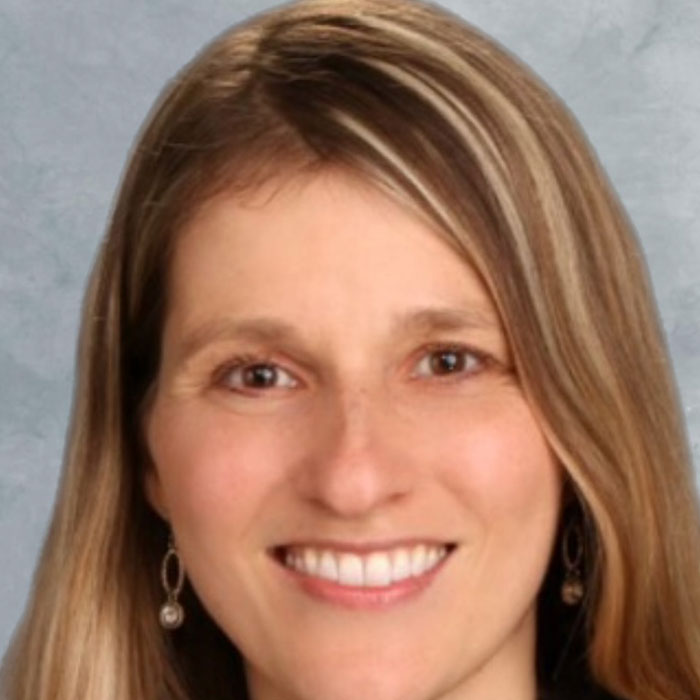
Clinicians who treat anxiety include Beth Levy-Merlin, PhD, MSW, LCSW, a partner and co-founder, and Peter Lawson, MA, LPC. When you call, the office will match you with someone based on what you describe, and it is fine to ask for a particular style or schedule.
How anxiety treatment works
At the center of anxiety treatment is moving toward the feared thing rather than away from it. Staying away is the step that converts a fright into a disorder. Every time you pass on the highway or turn down an invite, your brain concludes the situation was in fact dangerous and that you barely escaped. Therapy reverses that lesson.
CBT trains you to catch the forecasts that anxiety produces ("I'll pass out," "everyone will laugh at me," "I won't cope"). You then try them out in real life, gradually and only when you agree to each step, and discover the forecasts missed the mark. Our CBT page for Livingston describes the method in more detail.
The specifics depend on the pattern. With panic, treatment adds interoceptive exercises, where the feared body sensations are safely brought on during the session until a pounding heart is nothing more than a pounding heart. With social anxiety, the task is to let go of the hidden crutches that feed the fear, like rehearsing every line, looking away from people or having a drink first. Phobias usually respond to step-by-step exposure within a shorter course than most people anticipate.
Acceptance-based strategies and training in relaxation and breathing are added when they suit the client. A plan is shaped to the individual no matter the label.
Anxious children and teenagers
In children and teens, anxiety can pass for other things, such as morning stomachaches before school, tears at the classroom door, homework that must be perfect, or a nightly ritual of asking for reassurance that never settles them.
Younger clients are seen with methods suited to their age, and parents take part in the plan. The way a family reacts to a child's fear carries real weight. Comfort helps. When the home gets reorganized to dodge the fear, the fear usually grows. Our child and teen therapy page for Livingston describes how younger clients are seen.
Parents often feel stuck between wanting to protect a child and wanting to help the child do hard things. A clinician can help you find the line, and give you language for those evenings when everything falls apart. The work is slow and sometimes uneven, and that is expected.
If what you are seeing includes repeated rituals or intrusive thoughts, our OCD specialist page for Livingston explains how that differs from general worry, and an evaluation can sort out the pattern.
Starting out, and what to expect early on
Whether you find an anxiety therapist in Livingston through a friend or an online search, the first session is an evaluation. Your clinician names the pattern and agrees on a plan with you. Nothing difficult is demanded of you at the first visit.
Sessions run 45 to 60 minutes, usually weekly at first. Between sessions you practice small, planned steps, and your clinician adjusts the plan as you build skills. The pace is yours to set.
If anxiety is running your schedule, say so when you call. Weekday, evening and weekend appointments are available by scheduling, and secure video is an option for people whose fear of leaving the house is the very thing keeping them from treatment.
Anxiety and low mood often travel together. If you notice both, our depression and anxiety therapy page for Livingston covers how clinicians treat the two together. Our main anxiety therapy page gives the wider overview.
If you are in crisis or thinking about suicide, call or text 988 (Suicide & Crisis Lifeline) or go to the nearest emergency room.
A short drive from Livingston, or video from home
If you want an anxiety therapist in Livingston, our Roseland office sits 2.4 miles from the township, roughly a 5-minute drive via County Road 611 or County Road 527. Roseland borders Livingston to the north. The same office also serves nearby towns such as Essex Fells, East Hanover, West Caldwell, Caldwell and Florham Park. Find us at 425 Eagle Rock Avenue, Suite 103: first floor, free parking in front and at the side, and walkways that are wheelchair accessible.
Video is the other route. Sessions by secure connection are open to anyone in New Jersey, and for anxiety they offer something an office cannot: exposure practice in the place the fear lives, whether that is the car, the kitchen or the home office before a presentation. Some clients alternate between office and video week by week.
Start by calling (973) 226-1505 or send an appointment request. A referral is not required, and the office can check what your insurance covers when you call.

Further reading: Anxiety and Depression Association of America.
Who you'd see
Clinicians who treat Anxiety



Anxiety therapy for Livingston: getting here
Usual route: Eagle Rock Avenue (CR 611), CR 527.
Roseland Psychotherapy Associates
425 Eagle Rock Avenue, Suite 103
Roseland, NJ 07068 · (973) 226-1505 · Open in Maps
How to get started
Call or request a time
Call (973) 226-1505 or use the appointment form. Our office answers questions and can check your insurance coverage.
We match you
Tell us what is going on and when you are free. We pair you with the licensed clinician on our team who fits your concern and schedule.
Start in person or by video
Meet at 425 Eagle Rock Avenue with free parking, or log in from home in Livingston. You can switch between the two as life changes.
Anxiety therapy in Livingston: questions
Still unsure? Call (973) 226-1505 and ask us directly.
Is there an anxiety therapist near Livingston?
Yes. Roseland Psychotherapy Associates is about 5 minutes from Livingston in Roseland. Licensed clinicians treat generalized anxiety, panic, social anxiety and phobias, meeting you in the office or online. Call (973) 226-1505 and the office pairs you with a clinician.
Can I see an anxiety therapist by video from Livingston?
Yes. Secure video is available anywhere in New Jersey. For anxiety it has a clear advantage, since exposure practice can happen where the fear shows up. It also helps when fear of leaving home keeps people from treatment. Many clients switch between video and the office from week to week.
How do I know if my anxiety needs treatment?
Look at how much it costs you. If worry keeps you from driving, accepting invitations, sleeping or doing your job, or if it has lasted more than a couple of weeks, an evaluation is reasonable. You do not need to be in crisis to benefit, and the first session helps name the pattern.
Will I have to face my fears right away?
No. The first session is an evaluation, and you will not be asked to face anything hard on day one. Exposure work happens step by step and only with your agreement, at a pace you set. Your clinician explains what the body is doing before any practice begins.
How long does anxiety therapy take?
It depends on the pattern and your goals. Sessions run 45 to 60 minutes, usually weekly at first. For specific phobias, gradual exposure often resolves the problem in fewer sessions than people expect. Your clinician reviews progress with you and adjusts the plan as your skills grow.
Does insurance cover anxiety therapy?
Coverage depends on your plan. Your plan decides that. Phone (973) 226-1505 with the plan details and the office looks into your benefits ahead of the first visit. Booking needs no referral, and you can call before you know what to call your symptoms.
Call or text (973) 226-1505
We'd love to hear from you. Tell us a little about what's going on and we'll match you with the therapist who fits you best, and check your insurance while we're at it. If you already know who you'd like to see, we'll book you with them. No referral needed. Press 0 for scheduling.
Weekday, evening and weekend appointments. Most major insurance accepted.