
Services / Art Therapy
Art therapy in New Jersey.
Psychotherapy that uses art-making, with a board-certified art therapist at Roseland Psychotherapy Associates. You do not need any artistic ability at all.
3 of our clinicians do this work. We'll match you with the one who fits you best. You don't need a referral. Sessions are in our Roseland office or by secure video anywhere in New Jersey.


What art therapy is
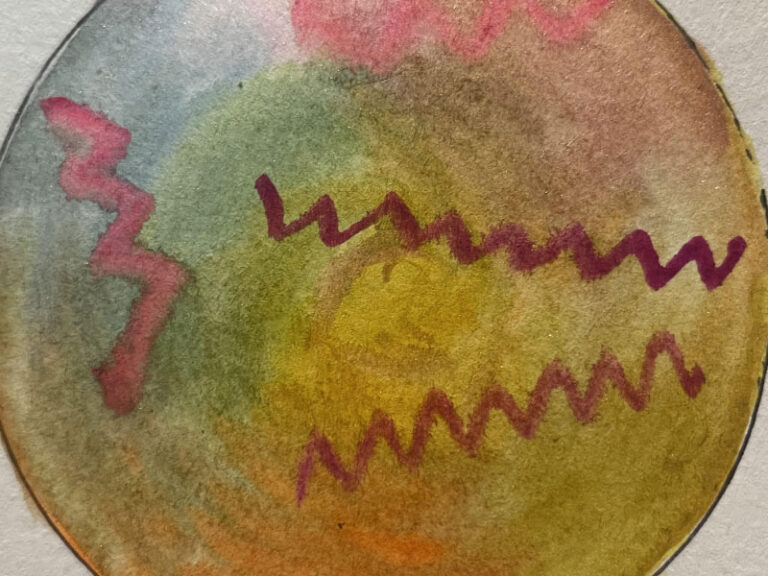
Art therapy is psychotherapy in which making things (drawing, painting, collage, clay) is part of how the work gets done. It is different from an art class or coloring to relax. A trained art therapist treats the act of making, and the conversation about what was made, as clinical material. It offers a way into feelings and memories that talking alone cannot always reach.
The reason it helps is fairly simple. Not everything we carry is stored in words. Trauma, grief, and early experiences often live as images and physical sensations, and asking someone to “just talk about it” runs into that limit. Making something gives the experience a shape first, and the words can come later. The artwork also stays in the room. Client and therapist can look at it together, which puts a little distance between the person and the raw feeling. That distance often makes the feeling easier to bear.
You do not need to be able to draw. Stick figures are perfectly good clinical material. Nothing is graded. What matters is the process.
A board-certified art therapist on staff
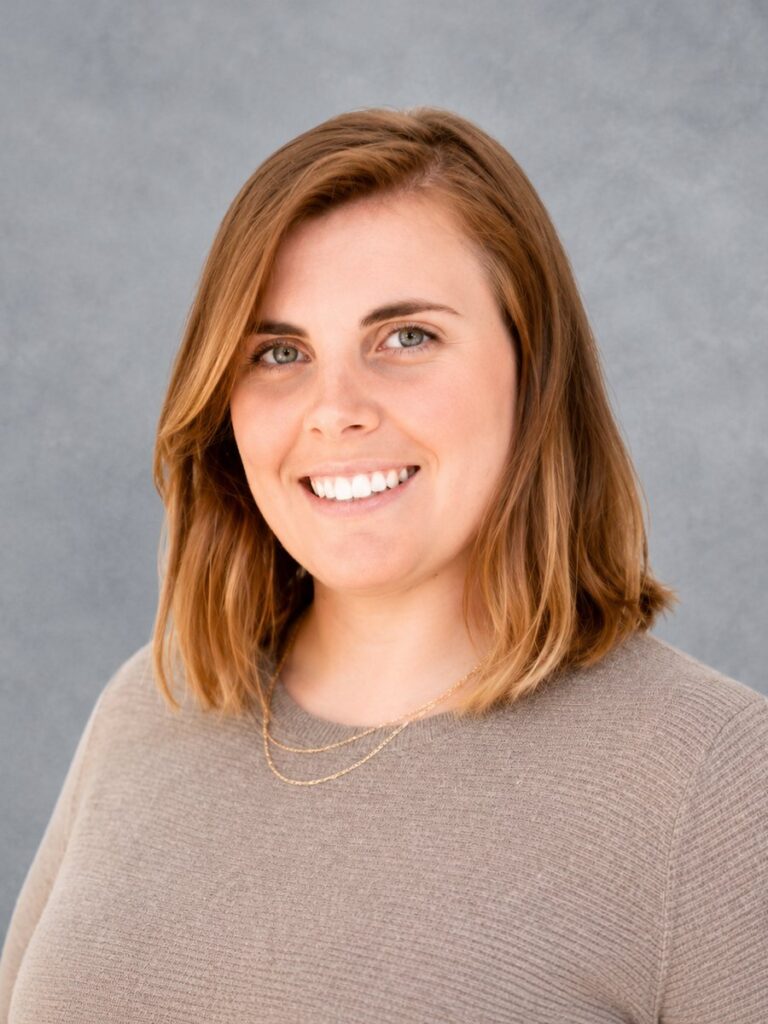
It is worth checking who calls themselves an art therapist, because plenty of people offer something art-related. Laura Stypulkoski, LPC, ATR-BC, is a licensed professional counselor and a board-certified art therapist. The ATR-BC is the field's national board credential. It requires graduate training in art therapy, supervised clinical hours, and a board examination. At Roseland Psychotherapy Associates, art therapy is provided by a clinician credentialed in it, within a group practice that has seen Essex County families since 2001.
 Clinically reviewed by Beth Levy-Merlin, PhD, MSW, LCSW,
partner and co-founder of Roseland Psychotherapy Associates, in practice
since 2001. Meet the team.
Who tends to benefit
- Children. Drawing is already a first language for most kids. A child who cannot explain a fear can often draw it.
- Teenagers, especially those who shut down in face-to-face conversation. Working on something side by side takes away the pressure of eye contact and questions.
- Adults dealing with grief. Loss doesn't fit neatly into sentences. Memorial and image work give it somewhere to go.
- Trauma survivors. Making art lets a person approach painful material from a manageable distance, without having to retell it out loud before they are ready.
- People who talk easily around their feelings. Very verbal people sometimes use words as protection. A different medium can get past that.
What a session looks like
Sessions run 45 to 60 minutes, usually weekly, like other psychotherapy at the practice. Part of the time goes to making something. Part goes to talking about what was made, or about the week, or both. The therapist may suggest a direction, such as a feeling to draw, a container to build, or an image to respond to. Or the therapist may follow the client's lead. We provide the materials, and nothing leaves the room unless the client agrees. Art therapy can be the whole treatment or one part of it, combined with talk therapy as needed.
Teletherapy across New Jersey
Art therapy works on video better than most people expect. Household materials are fine, and the therapist can watch the work as it happens. Some clients, teens in particular, talk more openly from their own room. Roseland Psychotherapy Associates offers secure teletherapy anywhere in New Jersey. Your clinician will tell you honestly if in-person sessions would suit your work better.
Where we see clients
Sessions are held at 425 Eagle Rock Avenue, Suite 103, Roseland. The office is on the first floor and wheelchair accessible, and there is free parking at the side and front of the building. We see children, teens, and adults from across Essex County in person, and by secure video throughout the state. Contact us to schedule.
Common questions
Other questions are welcome. Call (973) 226-1505.
I have no artistic talent. Can I still do art therapy?
Yes. This is the worry we hear most, and there is little to it. The work happens in the making and in what comes up while you make it. The quality of the result does not matter. Stick figures and scribbles are enough.
Is art therapy only for children?
No. Children take to it naturally, and adults often find it just as useful, especially when working through grief, trauma, or feelings that are hard to put into words. Roseland Psychotherapy Associates offers art therapy to children, teens, and adults.
What makes someone a real art therapist?
Graduate training in art therapy, supervised clinical hours, and board credentialing. Our art therapist, Laura Stypulkoski, LPC, ATR-BC, holds the field's board certification as well as a professional counseling license.
Will anyone else see what I make?
No. Artwork made in session is treated as clinical material and kept as private as anything you say in therapy. Nothing is displayed or shared without your consent.
Can art therapy be combined with talk therapy?
Yes, and it often is. It can be mixed into the same sessions or run alongside separate talk therapy. Call (973) 226-1505 and we will help you decide which setup makes sense.
Does insurance cover art therapy?
We accept most major New Jersey plans. Depending on your plan, coverage may be full or partial. We also provide superbills for out-of-network reimbursement. Call with your plan details and we will confirm before your first appointment.
What does an art therapy session actually involve?
An art therapy session combines making something with talking about it. You might draw, paint, build a collage or work with clay, guided by a prompt or by whatever you feel like making. Your therapist pays attention to the process as well as the finished piece, and the two of you talk about what came up. Sessions go at your pace, and there is never any grading or judgment of skill.
Who is a good fit for art therapy?
Art therapy is a good fit for anyone who finds it hard to put feelings into words. That includes children, teens and adults working through trauma, grief, anxiety, depression or a major life change. It can also help people who have tried talk therapy and felt stuck. You do not need any artistic background. If you are curious, that is usually reason enough to try a session and see how it feels.
Can art therapy be done over video?
Yes, art therapy can work over secure video for clients anywhere in New Jersey. You use simple supplies you have at home, such as paper, markers, colored pencils or magazines for collage, and hold your work up to the camera or describe it. Some clients prefer the full set of materials in our Roseland office, especially for clay or larger pieces. Your therapist will help you decide which setting suits your goals.
How long does art therapy usually take?
Art therapy usually runs on a weekly schedule, and the length depends on what brings you in. Someone working through a specific loss or transition may meet for a few months, while deeper work around trauma or long-standing patterns often takes longer. Your therapist will check in with you regularly about progress and goals, so you always have a say in the pace and in when you feel ready to wrap up.
Is there a board-certified art therapist near Essex Fells, Caldwell or Montclair?
Yes. Our board-certified art therapist (ATR-BC) sees clients at our Roseland office, which is a short drive from Essex Fells, Caldwell, North Caldwell, Montclair, Verona and Livingston. The office is on the first floor with free parking. For families farther away, secure video sessions are available anywhere in New Jersey. Call (973) 226-1505 and we will help you set up a first session.

Call or text (973) 226-1505
We'd love to hear from you. Tell us a little about what's going on and we'll match you with the therapist who fits you best, and check your insurance while we're at it. If you already know who you'd like to see, we'll book you with them. No referral needed. Press 0 for scheduling.
Weekday, evening and weekend appointments. Most major insurance accepted.