
Service areas / Montclair / Couples and family therapy
Couples and family therapy in Montclair, NJ
Households in Montclair come to Roseland Psychotherapy Associates when arguments keep repeating or a child, teen or partner is struggling. We offer couples and family therapy in Montclair residents can reach in about 12 minutes, or by secure video from home.
About 12 minutes from Montclair to our Roseland office. Secure video anywhere in New Jersey. No referral needed.
Quick answer
Roseland Psychotherapy Associates, at 425 Eagle Rock Avenue in Roseland, is about 12 minutes (5.4 miles) from Montclair. Licensed clinicians see couples, parents, children, teens and whole families, in person or by secure video anywhere in New Jersey. The office helps decide who comes to the first visit. Call (973) 226-1505 to begin.
Why the whole household matters in therapy
Families usually arrive with one person named as the problem. It might be the teenager who stopped talking, the parent who yells, or the sibling everyone tiptoes around. Family systems therapy starts from somewhere else. Behavior that looks irrational on its own tends to make sense once you see the pattern around it, and everyone in the home takes part in that pattern, usually without choosing to.
When the pattern shifts, the person labeled as the problem often stops needing to play the part. That is why a session may include several family members at once. Watching a family talk for twenty minutes tells a clinician things that no single account can: who interrupts, who goes quiet, who steps in to mediate, and which topics make the room tense.
Couples therapy follows the same logic with two people. The clinician looks at the cycle the partners create together rather than deciding who is right. If a marriage with years of history is the center of your concern, our marriage therapy page for Montclair goes deeper on that work.
 Clinically reviewed by Beth Levy-Merlin, PhD, MSW, LCSW, partner and co-founder of Roseland Psychotherapy Associates, in practice since 2001. Meet the team.

Situations that bring families and couples in
There is no required level of crisis. Households call us for reasons like these:
- Parent and child conflict: arguments that escalate, a teen who has withdrawn, rules that no longer hold
- Blended families: a new marriage working out loyalties, who disciplines whom, and two sets of house rules
- A child's diagnosis or crisis: the household reorganizing around anxiety, ADHD, school refusal or an eating concern
- Divorce and co-parenting: helping children move between homes without becoming messengers
- Adult family ruptures: estrangement, disputes over caregiving, or grief that has pulled siblings apart
Sometimes the work starts with the two adults. Strain in a marriage reaches everyone in the house, and children often show tension they cannot put into words. In that case we may suggest seeing the couple first and bringing the rest of the family in later. It can also go the other way, with family sessions first and couple sessions once the household is calmer.
Not sure who should come? Tell the office what is happening at home, and we will suggest who attends the first visit.
How the first sessions are set up
The first appointment is a mapping session. Before suggesting anything, your clinician wants to know how the household runs: who lives there, what a hard evening looks like, and what you have already tried. Often it is the parents alone at first, so the clinician can hear the full history before the children join.
Who attends changes over time. Some sessions include everyone. Others pair people off: parents alone, one parent with one child, or the couple without the kids. We decide the arrangement with you, based on what the work needs at that point.
Goals are named early and made observable. Fight less becomes dinners that end at the table, a curfew agreed on without a blowup, or a step-parent and a teen who can share a car ride. Sessions run 45 to 60 minutes, usually weekly at first, and we adjust the schedule as things settle at home.
Parents also get their own tools. Adults carry much of the change between sessions, so parent coaching is often part of the plan. Clinicians on the couples and family team include Beth Levy-Merlin, PhD, MSW, LCSW and Robin Bernstein, LCSW, and the office matches you with the one who fits.
What changes between sessions at home
An hour in an office cannot carry a household by itself. Families often leave a session with one small change to try at home, chosen with the clinician so that it fits the week ahead. It might be a different way to start a hard conversation, a shared rule about phones at dinner, or a plan for who steps in when a fight starts to climb.
Small changes matter because they are measurable. Next session, the family reports what happened, including the parts that went badly, and the plan is adjusted. Nobody is graded. The point is to learn what the household can do right now.
Parents often carry the most weight here. When a child is anxious, withdrawn or acting out, the adults are asked to respond in new ways before the child does. That can feel unfair at first, since the problem seems to sit with the kid. Over time, parents usually find that a calmer, more predictable response from them gives the child room to change.
Couples work the same way. Partners practice a new habit in the week, then bring the results back. If a particular concern keeps surfacing, such as a betrayal or a gap in intimacy, the practice includes clinicians who can focus on it. Our infidelity therapy page for Montclair explains one of those paths.
Children and teenagers in the room
Roseland Psychotherapy Associates has treated children, adolescents, adults, couples and families since 2001, and family sessions are adjusted to the ages present. Young children may work partly through play and drawing. Teenagers are usually given some time without their parents, because a fifteen-year-old talks differently when the audience changes.
What a teen shares privately is handled with care, and safety concerns are always brought to parents. If one family member refuses to come, start without them. Patterns can change when even part of the family responds differently, and people who refuse at first often join once therapy feels concrete.
If a child needs individual therapy as well as family work, both can happen in the same practice, and the two clinicians stay in touch. Our child and teen therapy page for Montclair describes the individual side in more detail.
Families in Montclair often ask how this differs from couples counseling. Couples counseling focuses on two partners and their relationship. Family therapy brings in more of the household, including children, step-parents and sometimes grandparents. Many households use both at different points, and both are offered in the same office. You can read more on our couples and family therapy page.
Getting four schedules to one hour
Getting several people into one room at the same hour is the hard part of family work. Our office is about 12 minutes and 5.4 miles from Montclair, in Roseland, and County Road 611 and County Road 527 are routes in. It is on the first floor at 425 Eagle Rock Avenue, Suite 103, with free parking at the front and side, which helps when you are arriving with children and coats.
Weekday, evening and weekend appointments are available by scheduling. Montclair is home to Montclair State University, and families with a college student can have that student join by secure video from a dorm or apartment while the others sit in the office or at home in Upper Montclair, South End or Watchung Plaza. Each person can log in from their own location, which also helps with separated parents or adult children who live elsewhere.
Many families switch back and forth between in-person and video sessions as the school year and work calendars change. To begin, call (973) 226-1505 or send a note through the contact page. No referral is needed, and the office can check your insurance coverage when you call.

Further reading: American Association for Marriage and Family Therapy.
Who you'd see
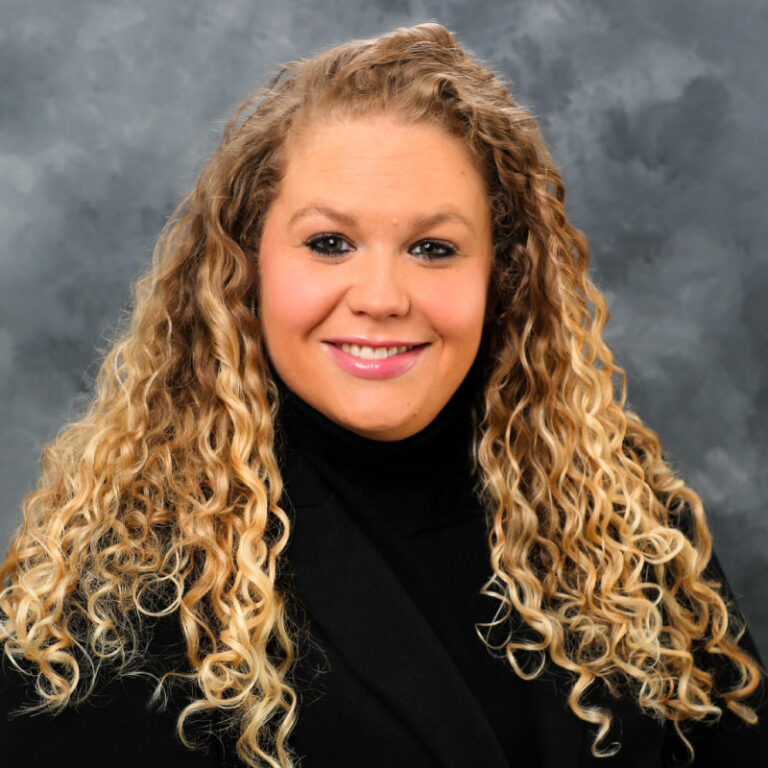
Clinicians who treat Couples Counseling, Relationship issues and Parenting Support



Couples and family therapy for Montclair: getting here
Usual route: Eagle Rock Avenue (CR 611), CR 527, CR 506.
Roseland Psychotherapy Associates
425 Eagle Rock Avenue, Suite 103
Roseland, NJ 07068 · (973) 226-1505 · Open in Maps
Nearby towns we also serve
How to get started
Call or request a time
Call (973) 226-1505 or use the appointment form. Our office answers questions and can check your insurance coverage.
We match you
Tell us what is going on and when you are free. We pair you with the licensed clinician on our team who fits your concern and schedule.
Start in person or by video
Meet at 425 Eagle Rock Avenue with free parking, or log in from home in Montclair. You can switch between the two as life changes.
Couples and family therapy in Montclair: questions
Still unsure? Call (973) 226-1505 and ask us directly.
Who should come to the first appointment?
That depends on your situation, and the office can help you decide. Call (973) 226-1505 and describe what is happening at home. Often the first visit is the parents alone, so the clinician hears the full history before the children join. If you are a couple, you both attend.
Is there family therapy near Montclair?
Yes. Roseland Psychotherapy Associates is about 12 minutes from Montclair at 425 Eagle Rock Avenue in Roseland. The office is on the first floor with free parking, and evening and weekend times make it easier to gather the whole household. Secure video is available for anyone who cannot be there in person.
Can we do couples and family therapy by video from Montclair?
Yes. Secure video works anywhere in New Jersey, and each person can join from a different location, which helps with college students, adult children or separated parents. Many families still choose some sessions in person at the Roseland office, and you can mix the two so everyone who needs to be there can be.
Will my teenager have to talk in front of us?
Not the whole time. Clinicians usually give teens some time alone within family work. What a teen says privately is handled with care, and safety concerns are always brought to parents. Many teens relax once they see the room is not a place where they will be blamed.
How long does family therapy take?
It often runs a few months, depending on the concern and how many people are involved. Some families come in for a focused stretch around a specific change, such as a remarriage or a teen's crisis. Others continue longer to work on deeper patterns. Your clinician reviews goals with the family as you go.
Does insurance cover couples and family therapy?
Coverage depends on your plan, and it can differ for couples and family sessions. Call (973) 226-1505 with your plan details and the office will check your coverage before your first visit. You do not need a referral, and the office will also help match you with a clinician.
Call or text (973) 226-1505
We'd love to hear from you. Tell us a little about what's going on and we'll match you with the therapist who fits you best, and check your insurance while we're at it. If you already know who you'd like to see, we'll book you with them. No referral needed. Press 0 for scheduling.
Weekday, evening and weekend appointments. Most major insurance accepted.