
Service areas / Lake Hiawatha / Marriage therapy
Marriage therapy near Lake Hiawatha, NJ
Roseland Psychotherapy Associates works with married couples who have years of history behind them. If you want marriage therapy near Lake Hiawatha, our Roseland office is about 14 minutes away, and secure video sessions let you meet from home.
About 14 minutes from Lake Hiawatha to our Roseland office. Secure video anywhere in New Jersey. No referral needed.
Quick answer
Looking for marriage therapy near Lake Hiawatha? Roseland Psychotherapy Associates, at 425 Eagle Rock Avenue in Roseland, is about 14 minutes (8.4 miles) from Lake Hiawatha. Married couples can be seen face to face in the Roseland office or over secure video from anywhere in the state. No referral is needed. The office at (973) 226-1505 will pair you with the right clinician.
Why a long marriage needs more than a quick fix
Ten, twenty or thirty years of marriage build something a new relationship does not have: a ledger. Inside it sit favors and wounds, vows honored and vows let slide, the stretch when one of you carried the load and the stretch when the other did. When a long marriage struggles, the argument in the kitchen is rarely the real argument. More often it is a withdrawal from a balance built up over many years.
That is why marriage therapy near Lake Hiawatha at our practice starts by taking your history seriously. You will not be handled as though you met a few months ago. Years of shared life are an asset as well as a weight, and good work uses both.
The distance often arrives quietly. Careers, children and aging parents each supply a reasonable excuse to put the marriage off until later. Then the house goes still and two people notice they have become efficient co-managers of a household and strangers at dinner.
If that sounds familiar, you are not unusual and you are not too late. Long-standing patterns can change with treatment. A first session is often the first time in a long while that either of you says the real thing out loud.
 Clinically reviewed by Beth Levy-Merlin, PhD, MSW, LCSW, partner and co-founder of Roseland Psychotherapy Associates, in practice since 2001. Meet the team.

What brings married couples through the door
People come for different reasons, and often more than one. A few of the most common ones are below.
- Built-up resentment: old injuries that were never repaired, only filed away
- The empty nest: the children have left, and a marriage organized around them is suddenly exposed
- A rupture: a betrayal, a discovered secret, or a stretch of absence that one partner cannot get past
- Diverging lives: retirement, faith, health or ambition pulling in different directions after years of agreement
- The question neither of you says aloud: whether to stay married at all
You do not need to agree on the problem before you call. In many marriages one partner is ready to start and the other is hesitant. That is workable. The clinician will meet the more hesitant spouse where they are, without taking sides, and the first session is a conversation about where things stand.
If a betrayal is part of the picture, our infidelity therapy page for Lake Hiawatha describes how affair recovery is staged. If the strain is mostly about family life at home, the couples and family therapy page may fit better.
Rupture and repair in practice
Long marriages fail from a lack of repair more often than from a lack of love. Every couple has ruptures. The difference between a marriage that grows closer and one that empties out lies in how the two of you handle the aftermath.
Therapy slows the repair down enough for it to work. The injured spouse says the whole thing. The other spouse hears it without arguing back. The injury is acknowledged at its real size, neither minimized nor litigated. Done again and again, this is how trust returns after years of distance.
It sounds simple and it is hard. At home, a complaint tends to get an instant answer, and the answer is often a defense. In session the clinician keeps the pace slow, interrupts the old pattern and helps each of you say what you need instead of what the other did wrong.
Some of this is skills: how to start a hard conversation gently, how to stop a fight before it takes over the evening, how to leave and come back. Some of it is understanding why certain topics hit so hard. Your clinician will help you see both.
Among the clinicians who see married couples is Julie Potischman, PhD, LPC, NCC, CST, partner and co-founder of the practice.
When you are not sure the marriage can continue
A number of couples walk in already half decided to leave. Others come with mismatched goals, where one spouse wants to rescue the marriage and the other has privately stopped trying. Standard marriage counseling assumes both partners want to stay, which is the wrong assumption at this point.
Discernment-style work is built for this situation. It is a short, structured process, and its goal is a clear decision that you reach together rather than a repaired marriage by default. Three outcomes are on the table: renew your commitment and do the work, part in a planned and respectful way, or pause the decision while you sort out what you really want.
A clear answer either way is better than years of ambivalence, which wears down both people and often the children too. Nobody here will push you toward staying or toward leaving. That decision belongs to the two of you.
If you are deciding whether to begin, it may help to know what you are agreeing to. You are agreeing to a short, structured process led by a clinician who stays neutral. It is not an open-ended commitment, and you can move into longer work later if that turns out to be right.
Ask the office about this option when you call.
Starting marriage therapy when life is already full
Many couples put off therapy because the calendar seems too crowded to add anything. That is understandable, and it is usually the same crowding that caused the distance in the first place.
Sessions run 45 to 60 minutes and are typically weekly at the beginning. We offer weekday, evening and weekend appointments by scheduling, so work hours and family obligations are not an obstacle. Secure video is an option too, which cuts out travel entirely and lets both of you join from the same couch.
You can also mix formats. Some couples come to the office for the first few visits so the room feels like a neutral place, then switch to video during busy stretches. If one spouse travels for work, they can join by video while the other sits in the office.
Your clinician will work with you on what to do between sessions. That is often small: a conversation that happens on a set night, a rule about phones at dinner, a practice for the first five minutes after you both get home.
When you call, mention anything about timing, privacy or pace that matters to you. The office takes it into account when suggesting a clinician and a first appointment.
Reaching our Roseland office from Lake Hiawatha
Our office is about 14 minutes and 8.4 miles from Lake Hiawatha. Drivers from the area use routes such as CR 611, I 280, New Road, US 46 and North Beverwyck Road. Lake Hiawatha is an unincorporated community in Parsippany-Troy Hills Township, in Morris County, with the ZIP code 07034, and couples also come to us from nearby places like Parsippany, Boonton, Montville and Pine Brook.
The building is at 425 Eagle Rock Avenue, Suite 103, Roseland, on the first floor, with free parking at the front and side. If you would rather not drive together or arrange childcare, secure video lets you meet the clinician from home, in any part of New Jersey, and many couples mix in-person and video visits.
For marriage therapy near Lake Hiawatha, an evening or weekend slot can work well when both spouses have daytime jobs. Call (973) 226-1505 or use the appointment request form. No referral is needed, and the office can check your insurance coverage when you call. You can also read about our marriage therapy services in general.

Further reading: American Association for Marriage and Family Therapy.
Who you'd see
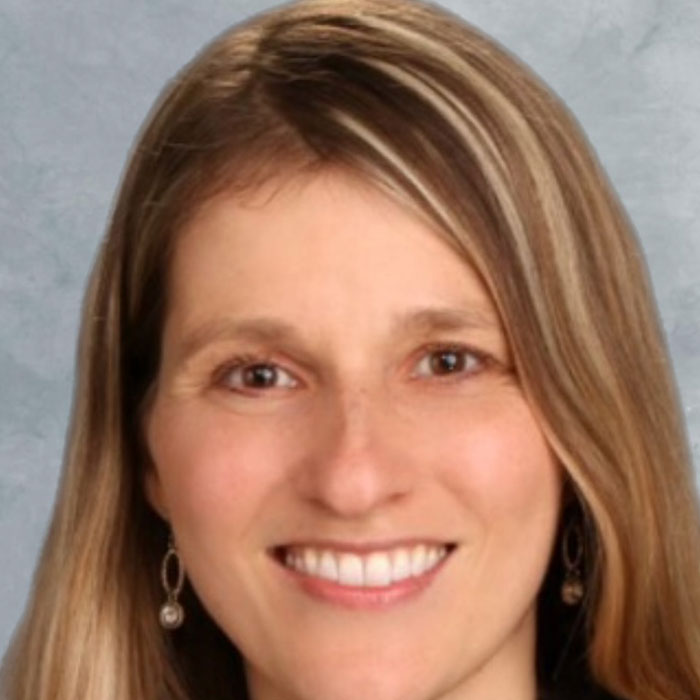
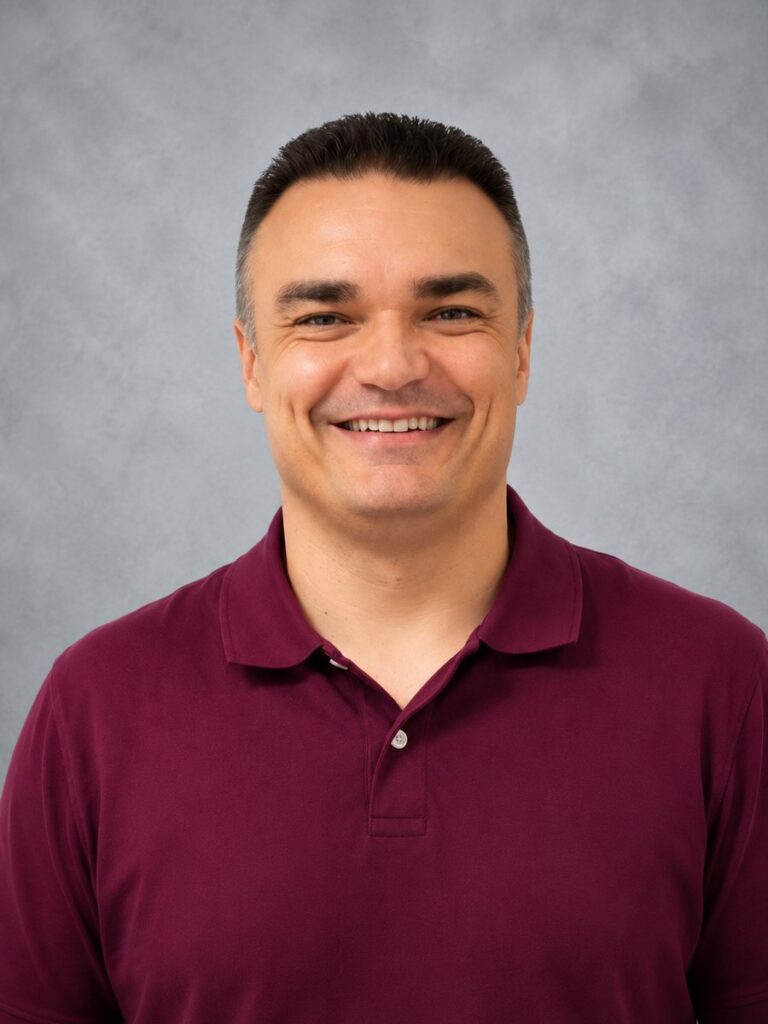
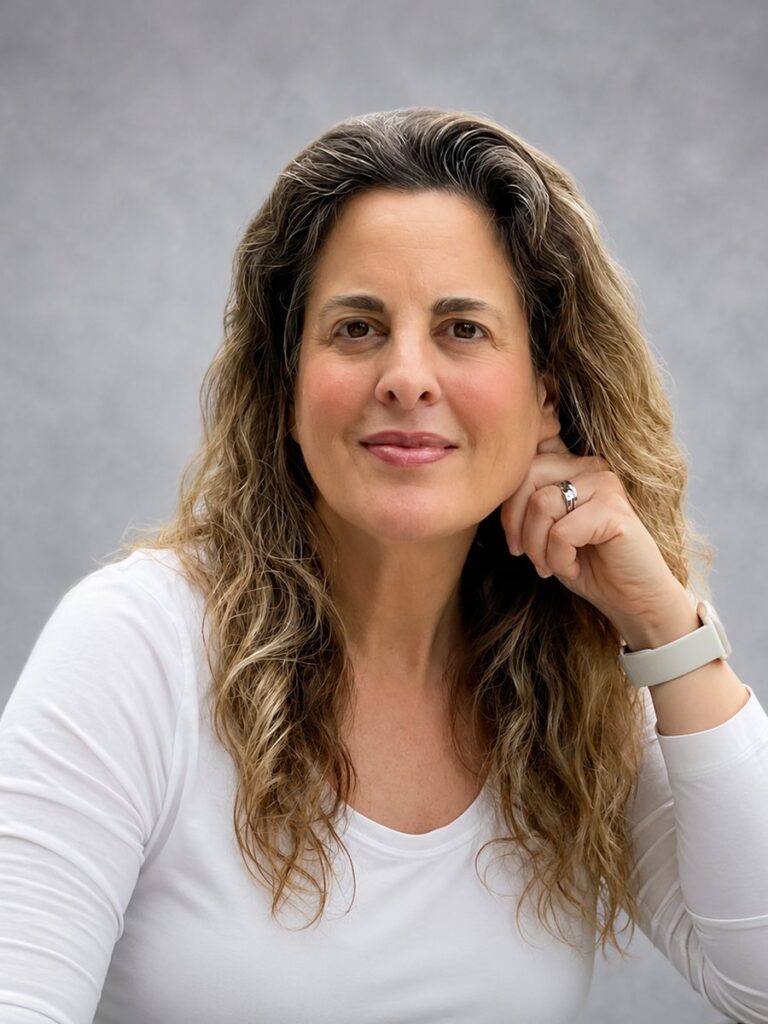
Clinicians who treat Couples Counseling and Relationship issues

Marriage therapy for Lake Hiawatha: getting here
Usual route: Eagle Rock Avenue (CR 611), I-280, New Road, US-46.
Roseland Psychotherapy Associates
425 Eagle Rock Avenue, Suite 103
Roseland, NJ 07068 · (973) 226-1505 · Open in Maps
Nearby towns we also serve
How to get started
Call or request a time
Call (973) 226-1505 or use the appointment form. Our office answers questions and can check your insurance coverage.
We match you
Tell us what is going on and when you are free. We pair you with the licensed clinician on our team who fits your concern and schedule.
Start in person or by video
Meet at 425 Eagle Rock Avenue with free parking, or log in from home in Lake Hiawatha. You can switch between the two as life changes.
Marriage therapy in Lake Hiawatha: questions
Still unsure? Call (973) 226-1505 and ask us directly.
Is there marriage therapy near Lake Hiawatha?
Yes. Roseland Psychotherapy Associates is about 14 minutes from Lake Hiawatha in Roseland. Licensed clinicians see married couples at the first-floor office, where parking is free, or by secure video. Call (973) 226-1505 and the office will match you with the clinician who fits.
Can my spouse and I do marriage therapy by video from Lake Hiawatha?
Yes. Secure video is offered anywhere in New Jersey, so you can both join from home. Some couples start in the office and move to video later, and some do the reverse. If one of you is traveling, that spouse can log in from elsewhere in the state.
What if only one of us wants to come?
That is common. Many marriages begin therapy with one eager partner and one hesitant one. Tell the office when you call. The clinician meets the hesitant spouse where they are, does not take sides, and the first session is a conversation about where things stand.
How long does marriage therapy take?
It depends on how long the patterns have run and what you want to change. Most couples start weekly with 45 to 60 minute sessions and adjust over time. Discernment-style work is shorter and structured. Your clinician will talk with you about timing so you know what to expect.
Can we do therapy if we are thinking about divorce?
Yes. Discernment-style work is meant for couples unsure whether to stay. It aims at a clear decision you reach together, not a repaired marriage by default. No one on the clinical team will steer you to stay or to go. That choice remains yours.
Does insurance cover marriage therapy?
Coverage depends on your plan. Call (973) 226-1505 with your details and the office can check your insurance coverage when you call. You do not need a referral to book an appointment, and the staff can explain the next steps whenever you are ready.
More care for Lake Hiawatha
Call or text (973) 226-1505
We'd love to hear from you. Tell us a little about what's going on and we'll match you with the therapist who fits you best, and check your insurance while we're at it. If you already know who you'd like to see, we'll book you with them. No referral needed. Press 0 for scheduling.
Weekday, evening and weekend appointments. Most major insurance accepted.