
Service areas / Madison / Marriage therapy
Marriage therapy near Madison, NJ
Marriage therapy near Madison works best when it respects the years you have already built together. Roseland Psychotherapy Associates sees married couples at our Roseland office, about 19 minutes from the borough, and by secure video from home.
About 19 minutes from Madison to our Roseland office. Secure video anywhere in New Jersey. No referral needed.
Quick answer
Where can you find marriage therapy near Madison? Roseland Psychotherapy Associates, at 425 Eagle Rock Avenue in Roseland, is about 19 minutes (10.1 miles) from Madison. Licensed clinicians work with married couples on resentment, distance, repair and hard decisions, in person or by secure video. No referral is needed. Call (973) 226-1505 to arrange a first session.
Marriage therapy near Madison for couples with a long history
Ten, twenty or thirty years of marriage build something that a new relationship lacks: a ledger. It holds kindnesses and injuries, promises kept and promises broken, the year one of you carried everything and the year the other did. In a long marriage, tonight's fight tends to carry the weight of many earlier ones, so the topic on the table is seldom what hurts most.
Good marriage therapy takes that history seriously. You will not be treated like a couple who met last spring, and no one expects you to start from a blank page. The clinician wants to know how the marriage worked in its good years as well as how it stopped working.
The distance tends to arrive quietly. Careers, children and aging parents each give you a sound reason to put the marriage itself on hold. Then the house gets quiet, and two people notice they have turned into efficient co-managers of a household and strangers at dinner.
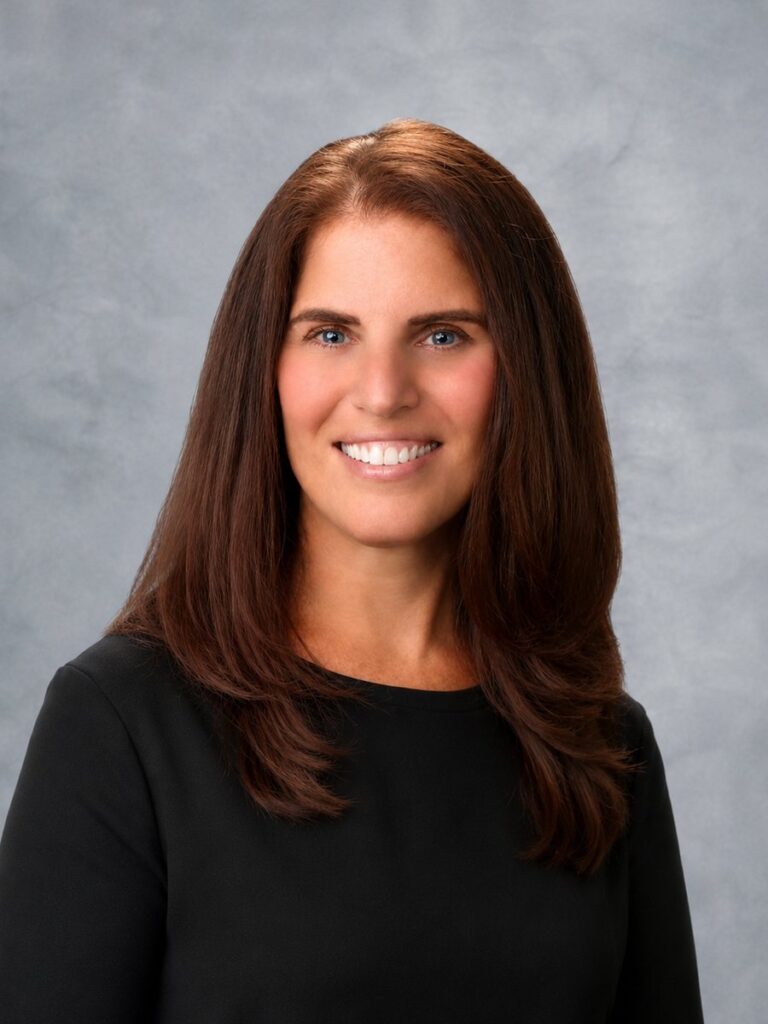
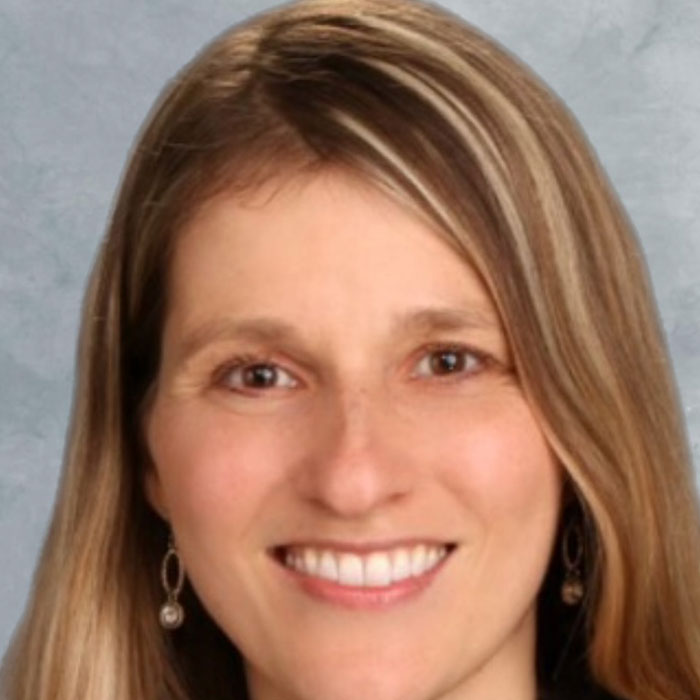
When you call, the office matches you with a clinician who fits both of you. Clinicians who see married couples include Julie Potischman, PhD, LPC, NCC, CST, Beth Levy-Merlin, PhD, MSW, LCSW and Robin Bernstein, LCSW.
 Clinically reviewed by Julie Potischman, PhD, LPC, NCC, CST, partner and co-founder of Roseland Psychotherapy Associates and an AASECT-certified sex therapist. Meet the team.

What brings married couples through our door
Spouses rarely arrive with the same account of what went wrong. That is normal, and a clinician expects it. Even so, certain situations come up again and again:
- Built-up resentment: old injuries that were never repaired, only filed away
- The empty nest: the children have left, and a marriage organized around them is suddenly exposed
- A rupture: a betrayal, a discovered secret or a stretch of absence that one partner cannot get past
- Diverging lives: retirement, faith, health or ambition pulling in separate directions after years of agreement
- The question neither of you says aloud: whether to stay married at all
A full calendar of obligations can hide trouble in a long marriage, because the schedule keeps both of you busy enough not to look at the marriage directly.
If one of these sounds familiar, you do not need to have a plan before calling. You can describe what is happening, and the office will suggest who should attend the first session and which clinician might be right.
If the strain has to do with a broken trust, the infidelity therapy page for Madison explains how recovery after an affair is approached.
Repair matters more than avoiding conflict
Long marriages fail from a shortage of repair more often than from a shortage of love. Every couple has ruptures. The difference between a marriage that grows closer and one that empties out lies in the days after the break.
Therapy slows the process down enough for repair to work. The injured spouse says the whole thing. The other spouse listens without arguing back. The injury is acknowledged at its real size, neither minimized nor put on trial. Done again and again, this is how trust returns after years of distance.
You might expect a clinician to referee. In practice the clinician spends more time interrupting the old pattern than ruling on who is right. If one of you always pursues and the other always withdraws, the work is to notice that dance as it happens in the room and try a different step.
Sessions also leave space for what is good. Most long marriages hold a store of shared humor, shared memory and shared effort, and part of therapy is making that visible again so that it can carry some of the weight.
Progress is measured by small, observable changes: a conversation that ends without a slammed door, a disagreement that gets repaired the same evening, or an evening out that goes better than expected.
When you are not sure the marriage can continue
Sometimes both spouses are already halfway gone. Sometimes they want opposite outcomes, with one hoping to rescue the marriage while the other has quietly stopped trying. Standard marriage counseling assumes both partners want to stay, which may be the wrong assumption at this point.
Discernment-style work is designed for exactly this situation. It is a short, structured process, and its goal is a clear decision that you reach together, not a repaired marriage by default. Three paths stay open throughout: rebuild together, part on purpose, or wait and learn more before choosing.
Nobody in the office will lean on you to stay or to go. That choice belongs to the two of you. A clear answer either way is better than years of ambivalence, and a deliberate ending, when it comes, can be done with far less damage to children, finances and the extended family.
Been meaning to make this call for years? Long-standing patterns can still change with treatment. The first session is a conversation about where things stand, and it does not commit you to anything beyond that.
If the question underneath is closeness and desire, our sex therapy page for Madison describes how that work fits in.
How the sessions are put together
Marriage therapy near Madison at our practice follows a structure that you will recognize after the first couple of visits.
- The first meeting is a joint one, covering how the two of you got together, the years since, and the point where each of you sees the marriage shift.
- Individual sessions follow early on, so each spouse can speak without the other present. After this many years, there are usually thoughts neither spouse has voiced to anyone.
- Joint sessions of 45 to 60 minutes, usually weekly, focus on the pattern happening now and not on retrying old cases.
- An honest midpoint review asks what has changed, what has not, and whether the goals still fit.
If the strain centers on a specific injury or on physical intimacy, the practice can bring in specialists from within the group. That includes clinicians experienced in affair recovery and clinicians trained in sex therapy, so you do not have to start over somewhere new. Your first clinician stays involved, and the specialist joins in for the part of the work that needs one.
Families sometimes need a wider lens. If adult children, a blended household or a caregiving dispute is part of the picture, the couples and family therapy page for Madison covers that work. The main marriage therapy page gives the full overview.
Fitting weekly sessions into a Madison marriage
The drive from Madison to our Roseland office is about 19 minutes and 10.1 miles. Typical routes are County Road 611, County Road 609, County Road 510 and County Road 608. Couples also come from Chatham, Florham Park, Convent Station and Morristown. The office is on the first floor at 425 Eagle Rock Avenue, Suite 103, with free parking at the front and side.
Getting two full calendars into one weekly hour is the real obstacle for many couples. Secure video makes that realistic. One spouse can join from home and the other from work, or you can sit together on your own couch. Some spouses also find the first sessions easier from familiar surroundings. Plenty of couples alternate between office weeks and video weeks.
Weekday, evening and weekend appointments are available by scheduling, which helps when one of you travels into New York for work. Marriage therapy near Madison does not have to wait for a quiet season. Call (973) 226-1505 or use the appointment request form. No referral is needed, and the office can check your insurance coverage when you call.

Further reading: American Association for Marriage and Family Therapy.
Who you'd see
Clinicians who treat Couples Counseling and Relationship issues


Marriage therapy for Madison: getting here
Usual route: Eagle Rock Avenue (CR 611), CR 609, CR 510, CR 608.
Roseland Psychotherapy Associates
425 Eagle Rock Avenue, Suite 103
Roseland, NJ 07068 · (973) 226-1505 · Open in Maps
How to get started
Call or request a time
Call (973) 226-1505 or use the appointment form. Our office answers questions and can check your insurance coverage.
We match you
Tell us what is going on and when you are free. We pair you with the licensed clinician on our team who fits your concern and schedule.
Start in person or by video
Meet at 425 Eagle Rock Avenue with free parking, or log in from home in Madison. You can switch between the two as life changes.
Marriage therapy in Madison: questions
Still unsure? Call (973) 226-1505 and ask us directly.
Is there marriage therapy near Madison, NJ?
Yes. Roseland Psychotherapy Associates is about 19 minutes from Madison, in Roseland. Married couples can meet with a licensed clinician at the office or over secure video. Call (973) 226-1505, describe what is going on, and the office will suggest who should come to the first session and match you with a clinician.
Can my spouse and I do marriage therapy by video from Madison?
Yes. Secure video is offered anywhere in New Jersey. You can join together from home, or from two different places if one of you is traveling or working. Many couples alternate between office visits and video, whichever fits the week. Some couples find that talking from home makes the harder conversations easier to start.
What if only one of us wants to come?
Call anyway. Sometimes one spouse starts with an individual session and the other joins later, and sometimes the first conversation is about how to invite your partner. A clinician will not pressure anyone, and you can decide together at your own pace how to begin.
How many sessions does marriage therapy take?
It depends on how long the problems have been building and what you want to change. Sessions run 45 to 60 minutes and are usually weekly. At a midpoint review you and your clinician look at what has changed and whether the goals still fit, then adjust the plan.
Can marriage therapy help if we are thinking about divorce?
Yes. Discernment-style work is a short, structured process built for couples who are unsure. The aim is a clear decision you reach together, whether that means recommitting, separating deliberately or holding steady for now. No clinician here will push you toward staying or leaving, because that decision belongs to the two of you and to no one else.
Does insurance cover marriage therapy?
Coverage varies by plan and by how the visit is billed. Call (973) 226-1505 with your plan details and the office will check your coverage before your first appointment. You do not need a referral to book, and the office can help you work out who should attend.
Call or text (973) 226-1505
We'd love to hear from you. Tell us a little about what's going on and we'll match you with the therapist who fits you best, and check your insurance while we're at it. If you already know who you'd like to see, we'll book you with them. No referral needed. Press 0 for scheduling.
Weekday, evening and weekend appointments. Most major insurance accepted.