
Service areas / Short Hills / Marriage therapy
Marriage therapy near Short Hills, NJ
Roseland Psychotherapy Associates helps married couples work through long-standing distance, resentment and betrayal. If you want marriage therapy near Short Hills, our Roseland office is about 15 minutes away, with secure video sessions as an option.
About 15 minutes from Short Hills to our Roseland office. Secure video anywhere in New Jersey. No referral needed.
Quick answer
Where can you find marriage therapy near Short Hills? Roseland Psychotherapy Associates, at 425 Eagle Rock Avenue in Roseland, is about 15 minutes (7.1 miles) from Short Hills. Married couples can meet a licensed clinician at the Roseland office or on secure video from anywhere in the state. You do not need a referral. Call (973) 226-1505 to begin.
Marriage therapy near Short Hills for long marriages
Ten, twenty or thirty years together build something a newer relationship does not have: a ledger. It holds kindnesses and injuries, promises kept and promises broken, the year one of you carried everything and the year the other did. In a marriage that has lasted decades, the fight you are having tonight is seldom the one underneath it. Most of its fuel comes from a balance carried forward over many years.
Marriage therapy takes that history seriously. A clinician who treated you like a couple who met last spring would miss most of what matters. The work starts with how you met, what has happened since, and where each of you believes things turned.
The distance often arrives quietly. A job, the kids and a parent who needs care can each hand you a respectable excuse to leave the marriage for later. Then the house gets quiet, and two people notice they have turned into efficient co-managers of a household and strangers at dinner.
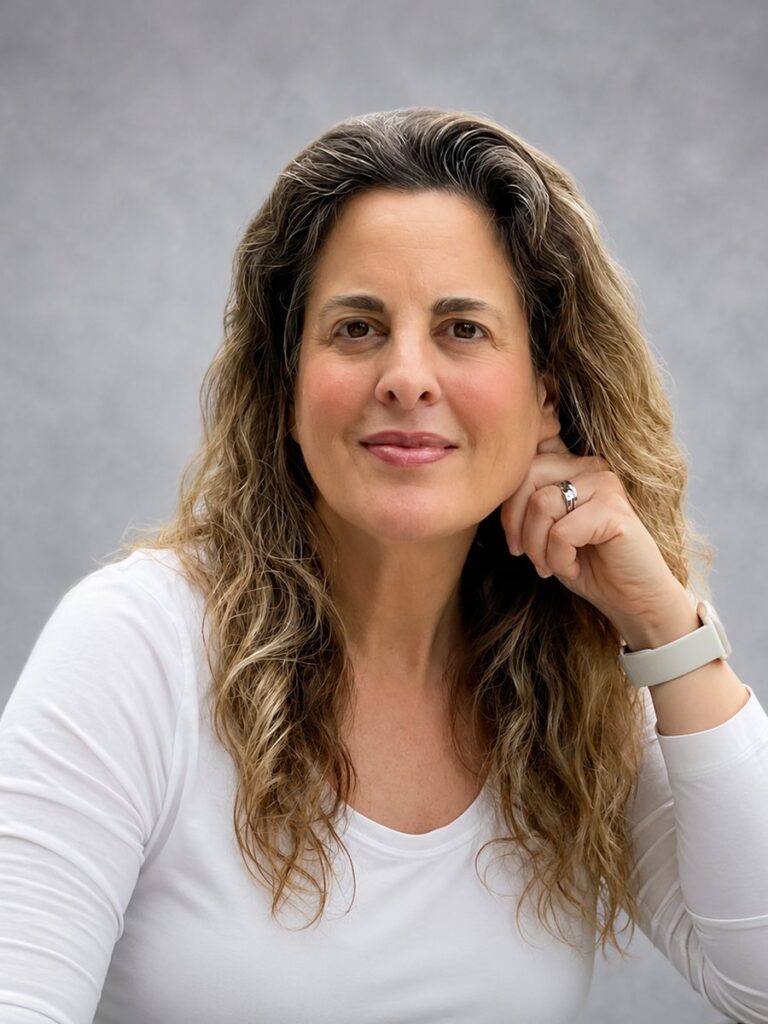
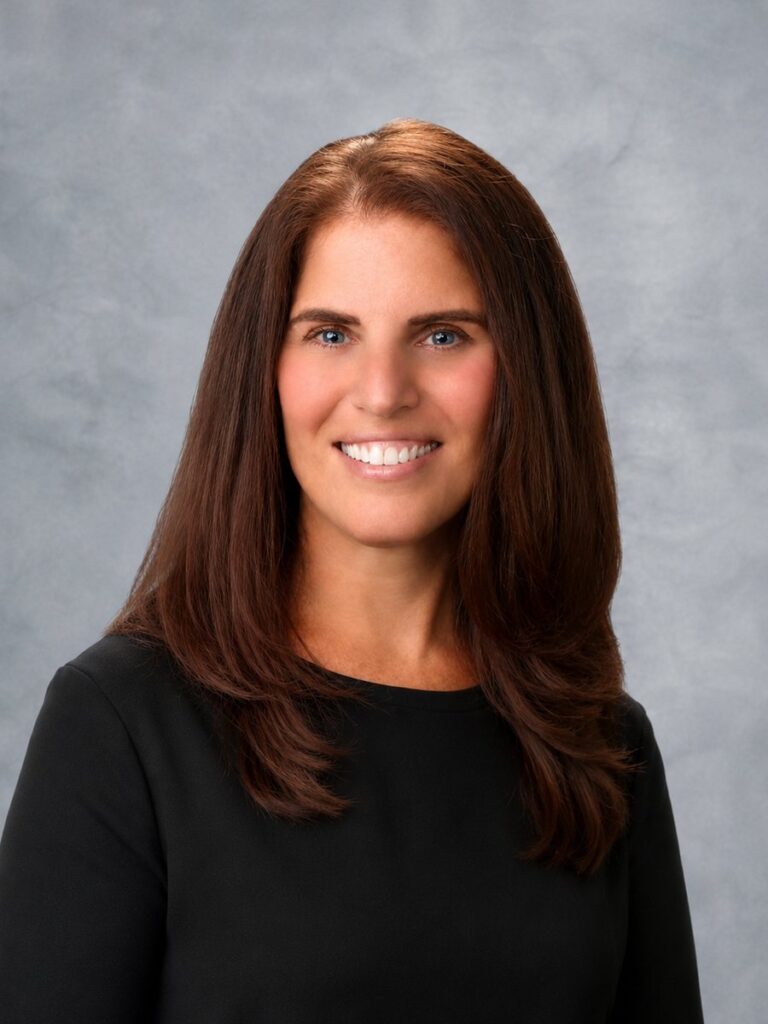
Our clinicians include Julie Potischman, PhD, LPC, NCC, CST, who co-founded the practice, and Robin Bernstein, LCSW. When you call, the office listens to what is going on and matches you with the clinician who fits the two of you best. You can read more about our approach on the main marriage therapy page.
 Clinically reviewed by Beth Levy-Merlin, PhD, MSW, LCSW, partner and co-founder of Roseland Psychotherapy Associates, in practice since 2001. Meet the team.

What brings married couples through the door
Couples rarely arrive because of a single fight. The reasons tend to fall into a few recognizable groups, and naming yours is often the first relief.
- Built-up resentment: past hurts left unrepaired and stored away until they pushed out the warmth
- The empty nest: once the kids move out, a marriage that was built around them has nothing to lean on
- A rupture: a betrayal, a secret that came out, or a long absence that one spouse cannot move beyond
- Diverging lives: retirement, belief, health or ambition tugging two people apart after years of seeing eye to eye
- The unspoken question: a private doubt about staying married
Many Short Hills residents travel into Manhattan for work, and a commute like that can quietly eat into the hours spouses get together. If one of you leaves early and the other keeps the household running, the marriage can end up on a list of things to do later.
Later is a hard thing to schedule. Many couples tell us they waited years to make this call, and that waiting made each conversation heavier. Long-standing patterns can still change with treatment. If the strain centers on infidelity, our infidelity therapy page for Short Hills explains how affair recovery is staged.
Rupture and repair: how trust comes back
When decades-old marriages come apart, missing repair is a likelier culprit than missing love. Every couple has ruptures. Whether a couple ends up closer or hollowed out depends mostly on what they do once the dust settles.
In the consulting room, repair is slowed to a speed at which it can take hold. The injured spouse says the whole thing, start to finish, without being cut off. The other spouse hears it without arguing back or defending. The hurt gets named at its true size, without being shrunk or put on trial. That sounds simple and is very hard to do alone at the kitchen table, where each of you already knows the other's next line.
A clinician in the room changes the pace. Interruptions get caught, and a sentence that would have started a fight gets rephrased into one that can be heard. Repairs like this, done again and again over weeks, are how trust returns after years of distance.
Sessions are not a trial, and no one is assigned the role of defendant. The aim is to understand the pattern the two of you share rather than to decide who is to blame. Partners often find that the pattern, once named out loud, loses some of its grip.
If physical intimacy has been part of the strain, we can bring in clinicians from within the practice who are trained in that area, so you do not have to start over somewhere new. Couples who come for marriage therapy near Short Hills often say the first repair, even a small one, is what convinces them to keep going.
When you are not sure the marriage can continue
A number of couples walk in already halfway to leaving. In other cases the spouses want opposite things, with one hoping to rescue the marriage while the other has privately checked out. Standard marriage counseling assumes both partners want to stay, which is the wrong assumption at this point.
Discernment-style work is built for this situation. The process is brief and organized, and it aims at a decision the two of you reach jointly, not at fixing the relationship. Three paths are on the table: commit again, part ways with care, or stay put for now while you learn more. Reaching a firm answer in either direction is easier to live with than years of being undecided.
Nobody on the clinical team steers couples to stay together or to split up. That decision belongs to the two of you. What we can do is keep the conversation honest and keep it from turning into a negotiation conducted through the children or through silence.
If you are the spouse who is less sure, you are welcome. Many people assume they must be certain before they call, and the reverse is true: uncertainty is the usual reason to come. Early sessions are for finding out where each of you stands.
When children or finances make the question larger, our couples and family therapy page for Short Hills describes how the rest of the household can be included.
How sessions are structured week to week
The first appointment is a joint history session. Together you tell the story of the marriage, from your first meeting to the point where it started to feel off. Nobody is asked to prove a case.
Individual sessions come early. Each of you also spends a stretch alone with the clinician, since a marriage of many years tends to store thoughts that have not been voiced to anyone. Those conversations stay in service of the work and are planned with both of you, not sprung on you.
After that, joint sessions run 45 to 60 minutes, usually weekly, and focus on the pattern happening now rather than re-trying old cases. About midway through, you and your clinician hold an honest review: what has changed, what has not, and whether the original goals still fit.
Roseland Psychotherapy Associates offers weekday, evening and weekend appointments by scheduling, which matters when two work calendars have to line up. Cancellations or changes need 24 hours notice. For couples who want marriage therapy near Short Hills without a rigid weekly slot, the office will work out a rhythm with you, and the schedule can loosen as things settle at home.
Maxine Bock, LCSW, CST and Beth Levy-Merlin, PhD, MSW, LCSW are among the clinicians who see married couples, and the office will help you choose. You can also meet the full group on the team page.
Getting from Short Hills to our Roseland office
Our office is about 15 minutes and 7.1 miles from Short Hills, reached by routes such as County Road 611, County Road 609, County Road 508 and County Road 649. Short Hills is an unincorporated community within Millburn Township in Essex County, and our practice serves couples from there as well as from neighbors such as Millburn, Chatham, Maplewood, South Orange, Livingston and Florham Park.
The practice is at 425 Eagle Rock Avenue, Suite 103, in Roseland. Parking is free in front and along the side, wheelchair-accessible spaces and walkways are provided, and the suite sits at ground level on the first floor.
Married couples with full calendars often prefer secure video. You can each join from home, or from two separate places if one of you is traveling for work. Many couples alternate: office in one week, video the next. Video is available anywhere in New Jersey, so a business trip does not have to interrupt the work.
To begin, call (973) 226-1505 or use the appointment request form. No referral is needed, and the office can check your insurance coverage when you call.

Further reading: American Association for Marriage and Family Therapy.
Who you'd see
Clinicians who treat Couples Counseling and Relationship issues


Marriage therapy for Short Hills: getting here
Usual route: Eagle Rock Avenue (CR 611), CR 609, CR 508, CR 649.
Roseland Psychotherapy Associates
425 Eagle Rock Avenue, Suite 103
Roseland, NJ 07068 · (973) 226-1505 · Open in Maps
Nearby towns we also serve
How to get started
Call or request a time
Call (973) 226-1505 or use the appointment form. Our office answers questions and can check your insurance coverage.
We match you
Tell us what is going on and when you are free. We pair you with the licensed clinician on our team who fits your concern and schedule.
Start in person or by video
Meet at 425 Eagle Rock Avenue with free parking, or log in from home in Short Hills. You can switch between the two as life changes.
Marriage therapy in Short Hills: questions
Still unsure? Call (973) 226-1505 and ask us directly.
Is there marriage therapy near Short Hills?
Yes. Roseland Psychotherapy Associates is about 15 minutes from Short Hills, in Roseland. Licensed clinicians see married couples in the first-floor office or by secure video. When you call (973) 226-1505, the office pairs both spouses with a clinician suited to them as a couple. No referral is needed, and weekday, evening and weekend appointments are available by scheduling.
Is it too late for our marriage after so many years?
The number of years you have struggled does not determine how things turn out. Spouses who have drifted apart for years can still move forward once both of them take part. If one of you is not ready yet, a short discernment-style process can bring the question to an honest answer. Call (973) 226-1505 to talk through where you are.
What is discernment counseling?
It is a short, structured process for couples where at least one spouse is unsure about staying married. The goal is a clear decision, not a repaired marriage. You can recommit, separate deliberately, or pause while you gain clarity. No clinician pushes you in either direction. It can run alongside other work when the future of the marriage is the open question.
Can we do marriage therapy by video from Short Hills?
Yes. Secure video sessions are available anywhere in New Jersey, and couples can join together or from separate locations. Many Short Hills couples alternate between the Roseland office and video, which helps when commutes or travel make a fixed weekly drive hard. Your clinician helps plan the mix.
Will one of us be blamed in sessions?
No. Your clinician is not a judge. Sessions focus on the pattern you share rather than on who is at fault, and the injured spouse is heard fully while the other is not treated as a permanent defendant. Both of you get time to speak. If a session ever feels lopsided, say so, and your clinician will adjust.
Does insurance cover marriage therapy?
Coverage depends on your plan. Call (973) 226-1505 and the office will check your coverage when you call. You do not need a referral to book, and you do not need to be sure about the future of the marriage before your first appointment. Questions about plans are welcome.
Call or text (973) 226-1505
We'd love to hear from you. Tell us a little about what's going on and we'll match you with the therapist who fits you best, and check your insurance while we're at it. If you already know who you'd like to see, we'll book you with them. No referral needed. Press 0 for scheduling.
Weekday, evening and weekend appointments. Most major insurance accepted.