
Service areas / Cedar Grove / Anxiety therapy
Anxiety therapist in Cedar Grove, NJ
Roseland Psychotherapy Associates treats panic, constant worry, social anxiety and phobias. If you want an anxiety therapist in Cedar Grove, our Roseland office is about 12 minutes away, with secure video for practicing skills where the fear shows up.
About 12 minutes from Cedar Grove to our Roseland office. Secure video anywhere in New Jersey. No referral needed.
Quick answer
Looking for an anxiety therapist in Cedar Grove? Roseland Psychotherapy Associates, at 425 Eagle Rock Avenue in Roseland, is about 12 minutes (5.8 miles) from Cedar Grove. Licensed clinicians treat anxiety with CBT, exposure and acceptance-based methods, in person or by secure video anywhere in New Jersey. No referral is needed. Call (973) 226-1505.
Choosing an anxiety therapist in Cedar Grove for your kind of anxiety
Everybody gets nervous ahead of air travel or a big meeting. An anxiety disorder is something different. Here the body's alarm sounds without an emergency, stays on once the moment is over, and begins steering your choices, such as which roads you take, which invitations you say yes to and which emails you are able to open.
It helps to name the pattern, because treatment differs by type. The main patterns we treat are listed here.
- Generalized anxiety: unending worry that wanders across health, finances, relatives and the job, accompanied by tension, restlessness and bad sleep. The worry feels useful. It usually is not.
- Panic disorder: abrupt surges of heart pounding, breathlessness and dizziness, along with a conviction that something is physically wrong. Often the larger burden is dread of the next episode.
- Social anxiety: an intense fear of being judged or humiliated, which is frequently taken for shyness.
- Specific phobias: driving, flying, needles, vomiting, animals, heights. These are narrow fears with large effects.
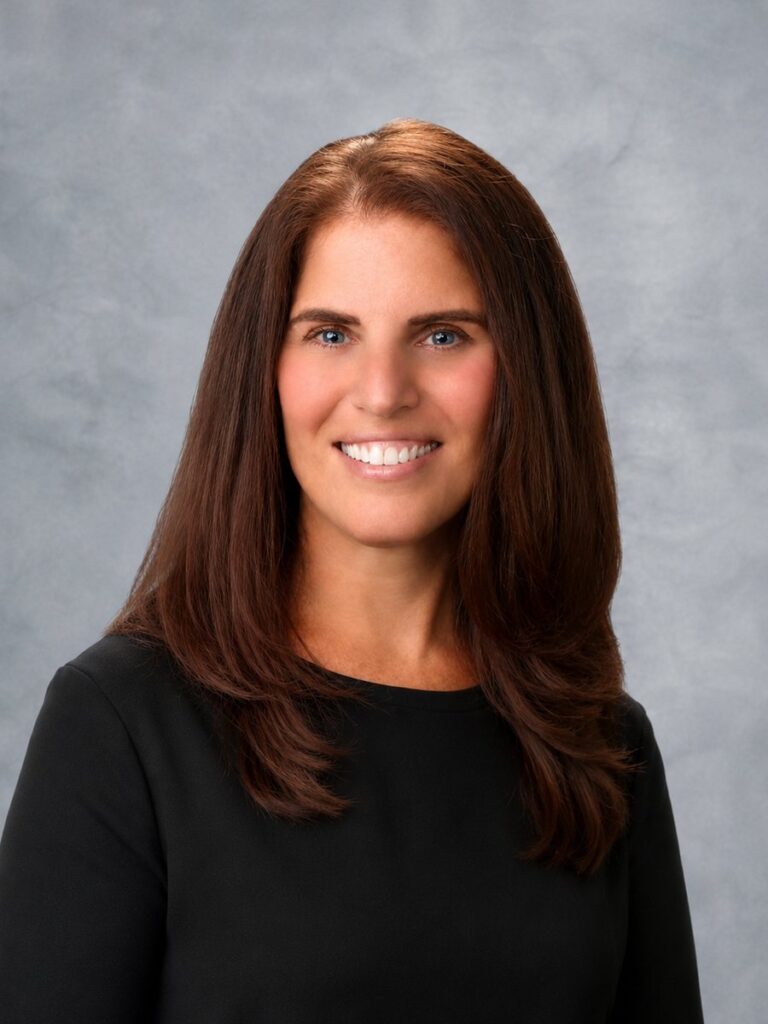
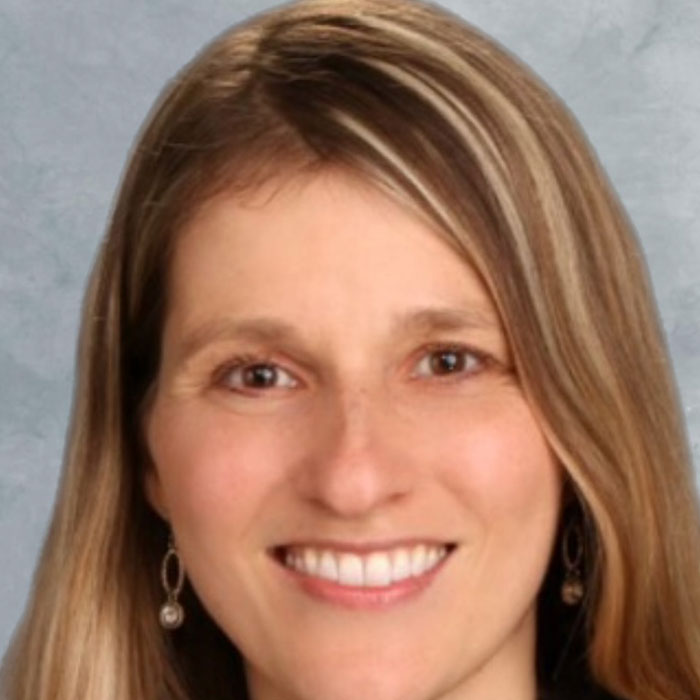
The office matches you with a licensed clinician when you call. Clinicians available for anxiety work include Beth Levy-Merlin, PhD, MSW, LCSW and Peter Lawson, MA, LPC. The main anxiety therapy page has more.
 Clinically reviewed by Beth Levy-Merlin, PhD, MSW, LCSW, partner and co-founder of Roseland Psychotherapy Associates, in practice since 2001. Meet the team.
Why anxiety feels so physical
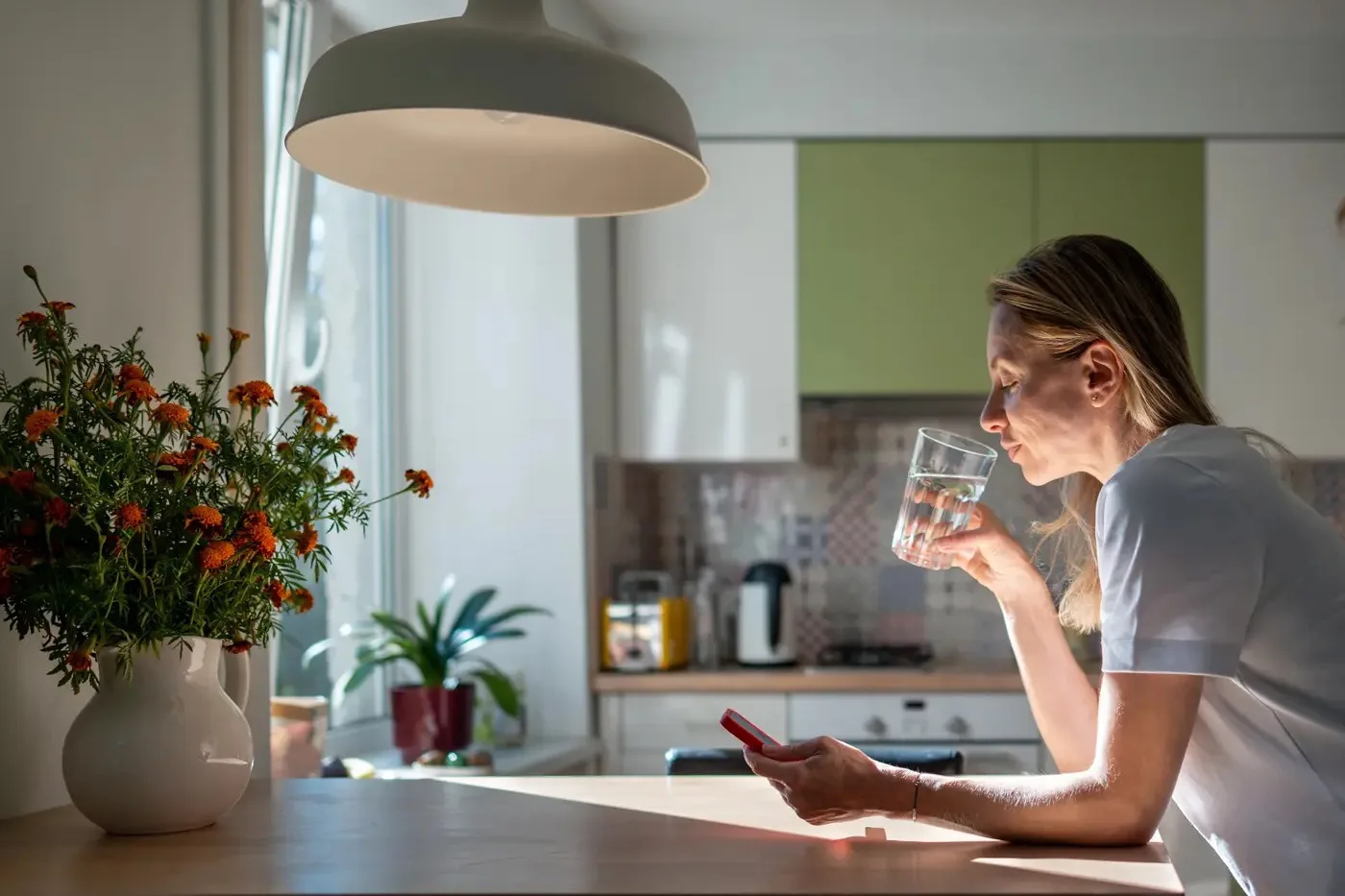
A pounding pulse, a tight chest, a churning stomach, tingling fingers, a lump in the throat. Anxiety is felt throughout the body since the whole body takes part in the threat response. A good number of people reach us after a heart evaluation or an ER trip turned up no problem.
Normal test results do not mean nothing is the matter. More often they point to the alarm system as the trouble, and that system can be treated. If physical symptoms are new or worrying, it is sensible to see your doctor first, and therapy can follow or run alongside.
Early in therapy we explain what the body is doing and why. That knowledge by itself takes some of the fear out of the sensations for many people. A pounding heart is uncomfortable, but it is not dangerous in the way the mind insists.
The same explanation helps with sleep. Anxious sleep tends to come late or break early, and lying awake going over tomorrow trains the brain to associate bed with alertness. Treatment addresses it directly rather than leaving you to hope it passes.
You do not need to be sure that what you feel is anxiety before you call. The first session is an evaluation, and sorting this out is part of our job.
How treatment works
At the heart of treating anxiety is moving toward what scares you in place of dodging it. Dodging is the step that converts a fright into a disorder. Every highway trip skipped and every invitation turned down tells the brain the situation was dangerous and that you barely escaped. Therapy reverses that lesson.
Cognitive behavioral therapy trains you to catch the forecasts anxiety offers (I'll pass out, they'll laugh, I can't handle this). You then check them in real settings, one stage at a time and only with your consent, to see whether they come true. The CBT page for Cedar Grove describes how a course of CBT runs.
Panic treatment includes interoceptive exercises, where the feared sensations are brought on safely during a session until a fast heartbeat is merely a fast heartbeat. With social anxiety, the work involves letting go of the hidden crutches that sustain fear, like rehearsing too much, looking away or having a drink first. For phobias, gradual exposure resolves many cases in fewer sessions than people expect.
Acceptance-based methods and relaxation or breathing practice are also used by our clinicians when they suit the person. The diagnosis matters less than the individual, and the plan is shaped to fit you.
If intrusive thoughts and rituals are part of the picture, see the OCD specialist page for Cedar Grove.
The first session and what follows
The first session is an evaluation. The clinician identifies the pattern, and together you settle on a plan. You will not be asked to face anything hard on day one, and exposure work only begins once you understand it and agree to it.
After that, sessions run 45 to 60 minutes, usually weekly. Between visits you practice, because anxiety lives in daily life and not in an office. The practice might be a short drive on a road you have been avoiding, or staying in a store for ten minutes longer than usual. Your clinician helps you pick the step and checks in on what happened.
Many people ask whether they will be forced to face their fears right away. No. Exposure work is built as a ladder, and you set the pace. The aim is for each step to be hard but possible.
Roseland Psychotherapy Associates does not prescribe medication. If medication is worth considering, we coordinate with local psychiatric professionals and provide referrals, and therapy continues alongside whatever you decide.
When anxiety goes hand in hand with low mood, the depression and anxiety page for Cedar Grove explains how both are treated together.
Anxious children and teenagers
In younger people anxiety frequently wears a disguise, appearing as school-morning stomachaches, meltdowns at drop-off, homework perfectionism, or a bedtime ritual of reassurance that never quite satisfies. Parents sometimes assume a child is being difficult when the child is frightened.
Children and adolescents are treated by our clinicians using age-appropriate methods, with parents included in the plan. A family's reaction to a child's worry carries a lot of weight. Comfort helps. Reshaping home life around the fear usually strengthens it.
The work with parents is often practical: how to stay warm while holding a limit, how to answer a repeated reassurance question once and then stop, and how to praise brave steps instead of focusing on the fear.
Our child and teen therapy page for Cedar Grove describes how those sessions are set up and when to call.
If your child talks about self-harm or not wanting to be alive, call or text 988 (Suicide & Crisis Lifeline) right away or go to the nearest emergency room.
Exposure practice close to home in Cedar Grove
Roseland is 5.8 miles and about 12 minutes from Cedar Grove by car, along routes that include County Road 611 and County Road 527. Our first-floor suite at 425 Eagle Rock Avenue has free parking beside and in front of the building, plus wheelchair-accessible parking and walkways. Verona, North Caldwell and Little Falls are all within about two miles of Cedar Grove.
Video has a real advantage for anxiety. You can rehearse a skill in the car, the kitchen or the home office before a presentation, which is where the fear shows up. It also helps if fear of leaving the house is the very thing keeping you from treatment. Secure sessions work anywhere in New Jersey, and plenty of clients move between office and screen from week to week.
If you want an anxiety therapist in Cedar Grove and the drive itself feels like the hurdle, say so when you call, and a first visit can be by video. Weekday, evening and weekend times are offered by scheduling.
To begin, call (973) 226-1505 or send the appointment request form. No referral is needed, and the office can check your insurance coverage when you call.

Further reading: Anxiety and Depression Association of America.
Who you'd see
Clinicians who treat Anxiety


Anxiety therapy for Cedar Grove: getting here
Usual route: Eagle Rock Avenue (CR 611), CR 527, CR 506, CR 637.
Roseland Psychotherapy Associates
425 Eagle Rock Avenue, Suite 103
Roseland, NJ 07068 · (973) 226-1505 · Open in Maps
Nearby towns we also serve
How to get started
Call or request a time
Call (973) 226-1505 or use the appointment form. Our office answers questions and can check your insurance coverage.
We match you
Tell us what is going on and when you are free. We pair you with the licensed clinician on our team who fits your concern and schedule.
Start in person or by video
Meet at 425 Eagle Rock Avenue with free parking, or log in from home in Cedar Grove. You can switch between the two as life changes.
Anxiety therapy in Cedar Grove: questions
Still unsure? Call (973) 226-1505 and ask us directly.
Is there an anxiety therapist near Cedar Grove?
Yes. Roseland Psychotherapy Associates is about 12 minutes from Cedar Grove, in Roseland. Licensed clinicians treat panic, generalized anxiety, social anxiety and phobias in the first-floor office or by secure video. Phone (973) 226-1505 and the office assigns you a clinician.
How do I know if my anxiety needs treatment?
The test is how much it interferes with your life. Treatment makes sense when worry or fear dictates which roads you take, what you decline, what you postpone and what you endure through clenched teeth, or when it drains your sleep and focus. An evaluation can help you decide.
Will I be forced to face my fears right away?
No. Exposure work is built as a gradual ladder, you agree to each step, and you set the pace. The first session is an evaluation, not a confrontation. The aim is for each step to be hard but possible, so that you can learn from it.
Can I see an anxiety therapist by video from Cedar Grove?
Yes. Secure video sessions are available anywhere in New Jersey. Video lets you practice skills in the places where anxiety shows up, such as the car or the kitchen, and it helps if leaving the house is part of the problem. Many clients mix video with office visits.
How long does anxiety treatment take?
It varies with the pattern and the person. Sessions run 45 to 60 minutes, usually weekly, and specific phobias often improve in fewer sessions than people expect. Your clinician reviews goals with you regularly and adjusts the schedule as your skills grow.
Does insurance cover anxiety therapy?
It depends on your plan. Call (973) 226-1505 and the office can check your coverage when you call, before your first appointment. You do not need a referral to book, and you can ask about scheduling and video during the same call.
Call or text (973) 226-1505
We'd love to hear from you. Tell us a little about what's going on and we'll match you with the therapist who fits you best, and check your insurance while we're at it. If you already know who you'd like to see, we'll book you with them. No referral needed. Press 0 for scheduling.
Weekday, evening and weekend appointments. Most major insurance accepted.