
Service areas / Little Falls / Anxiety therapy
Anxiety therapist in Little Falls, NJ
When the body's alarm goes off with no emergency in sight, it starts making decisions for you. Roseland Psychotherapy Associates has an anxiety therapist for Little Falls, 16 minutes away in Roseland or on secure video from home.
About 16 minutes from Little Falls to our Roseland office. Secure video anywhere in New Jersey. No referral needed.
Quick answer
Looking for an anxiety therapist in Little Falls? Roseland Psychotherapy Associates, at 425 Eagle Rock Avenue in Roseland, is about 16 minutes (8.1 miles) from the township. Licensed clinicians treat panic, generalized anxiety, social anxiety and phobias, at the Roseland office or by secure video from any New Jersey location. No referral is needed. Call (973) 226-1505.
The main patterns an anxiety therapist in Little Falls treats
Nerves before a plane ride or an interview are normal for everyone. An anxiety disorder is something else. The alarm goes off when there is no emergency, keeps going after the moment has passed, and starts deciding which roads you drive, which invitations you accept and which emails you can bring yourself to open.
Naming the pattern is useful, since the treatment changes with the type:
- Generalized anxiety: nonstop worry that jumps among health, money, family and work, along with tension, an unsettled body and poor sleep. The worry feels useful. It usually is not.
- Panic disorder: abrupt surges of a pounding heart, breathlessness and dizziness, paired with a conviction that something is medically wrong. Often the larger difficulty is dreading the next attack, and the way life gets smaller in an effort to prevent one.
- Social anxiety: an intense dread of being evaluated, observed or humiliated, which can pass for shyness. Many people do fine in the moment, then pay with hours of rehearsing beforehand and replaying afterward.
- Specific phobias: driving, flying, needles, vomiting, animals, heights. These fears are narrow but can have large effects. Someone with a fear of needles may skip medical care for ten years.
Details on the service appear on our anxiety therapy page.
 Clinically reviewed by Beth Levy-Merlin, PhD, MSW, LCSW, partner and co-founder of Roseland Psychotherapy Associates, in practice since 2001. Meet the team.
Why anxiety feels so physical
The list of sensations runs from a racing heart and tight chest to a churning stomach, tingling hands and a lump in the throat. The effects are physical throughout because the body's threat response is a whole-body event. A good number of clients arrive after a heart workup or an emergency room trip turned up no medical cause.
Normal test results do not mean that nothing is happening. More often the alarm system is the source of trouble, and that system responds to treatment.
Early in therapy, we explain what the body is doing and why. For many people, knowing that much makes the sensations less frightening. A pounding heart is uncomfortable, not dangerous, and the sooner that lands, the less fear stacks on top of the symptom.
It is still wise to see your doctor about physical symptoms, particularly if they are new. A medical check and therapy are not rivals. Our clinicians coordinate with your physician when that would help, and we do not prescribe medication ourselves. If medication comes up, we provide referrals to local psychiatric professionals.
How treatment works: approaching instead of avoiding
Anxiety treatment centers on moving toward the thing you fear, not away from it. A scare becomes a disorder largely through avoidance. Every highway drive you skip and every invitation you turn down tells the brain the situation was dangerous and that you escaped in time. Therapy reverses that lesson.
Cognitive Behavioral Therapy starts with catching the forecasts anxiety offers (I will pass out, everyone will laugh, I cannot cope). Next you check those forecasts against real situations, one step at a time, with your agreement at each stage, and see that they did not come true. Our CBT page for Little Falls describes the method in more depth.
The techniques vary by pattern:
- For panic, interoceptive work brings on the feared sensations in session, safely, until a racing heart is just a racing heart
- For social anxiety, you drop the safety behaviors that quietly keep the fear going, such as over-rehearsing, avoiding eye contact or drinking beforehand
- For phobias, gradual exposure often takes fewer sessions than people expect
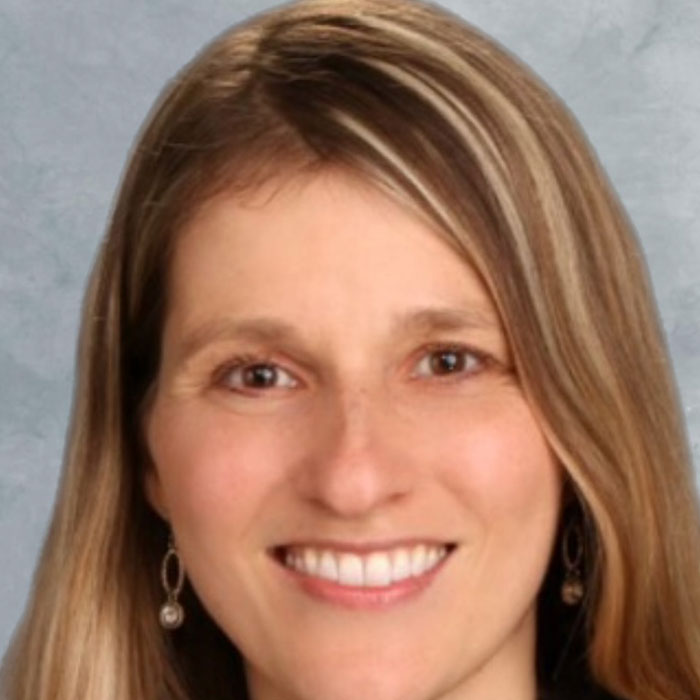
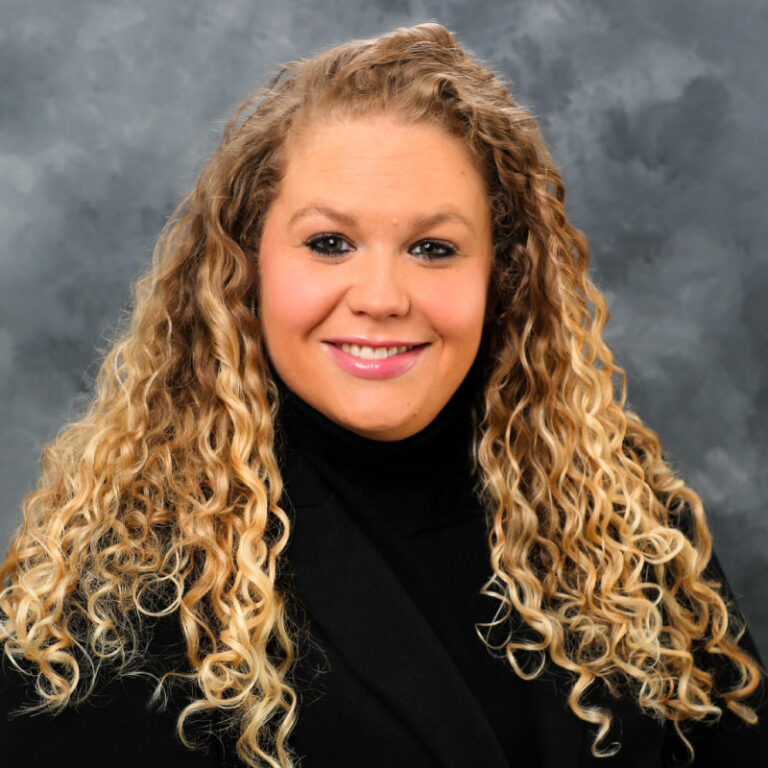
Clinicians also use acceptance-based approaches and relaxation and breathing training where they fit. Whatever the diagnosis, the plan is shaped around the individual. You can read about Eric Latzman, LCSW and Peter Lawson, MA, LPC, two of the clinicians who see anxiety.
When anxiety is running your schedule
The first session is an evaluation. Together we identify the pattern and settle on a plan. You will not be asked to face anything hard on day one, and you are never expected to push past your limit to prove something.
After that, treatment follows a few steps:
- A written map of what triggers the alarm and what you do to avoid or soothe it
- An ordered list of situations, from manageable to difficult
- Planned practice, in session and between sessions, with your consent at every step
- A review of what you learned and a plan for handling setbacks
Sessions run 45 to 60 minutes, usually weekly. The frequency changes as skills take hold. Setbacks are expected, and they do not erase progress.
Anxiety often overlaps with low mood. If both are present, our depression and anxiety therapy page for Little Falls explains why they are treated together.
If intrusive thoughts and rituals are the heart of it, an evaluation may point toward OCD, a different condition with a different treatment. You do not have to figure that out before calling, because the evaluation is for exactly that purpose.
Anxious children and teenagers
In young people, anxiety frequently hides behind other behavior, such as school-morning stomachaches, tears at drop-off, perfectionism with homework, or a bedtime ritual that depends on reassurance that never quite settles things. Parents sometimes assume a child is being difficult when the child is frightened.
For children and adolescents, clinicians use age-appropriate methods and include parents in the plan. The way a family reacts to a child's worry carries real weight. Comfort helps. Bending the household's routines around the fear usually strengthens it.
A parent's role in treatment is practical. You may learn how to acknowledge a fear without feeding it, how to praise brave attempts, and when to hold back from rescuing. These skills are teachable and they make a difference between sessions.
Teenagers often respond when the work is framed around what they want back: a team, a friendship, a full night's sleep. Our teen therapy page for Little Falls explains how sessions with adolescents work, including how privacy is handled.
If your child talks about self-harm or not wanting to be alive, call or text 988, the Suicide & Crisis Lifeline, or go to the nearest emergency room.
Getting to Roseland from Little Falls, or practicing at home
The office is about 16 minutes and 8.1 miles from Little Falls, via county roads such as CR 611, CR 527 and CR 631. Clients come from the center of town, Singac and Great Notch, and from nearby Woodland Park, Totowa, North Caldwell, Cedar Grove, Verona and Clifton. The building at 425 Eagle Rock Avenue, Suite 103, is on the first floor, with free parking at the front and side and wheelchair-accessible walkways.
Video has a real advantage in anxiety work. Exposure practice can take place in the setting where the fear lives, such as the driver's seat, the kitchen or a home office ahead of a presentation. It also helps when fear of leaving the house is the thing keeping someone from treatment. An anxiety therapist in Little Falls can meet you on screen anywhere in New Jersey, and many clients switch between video and the office.
Appointments are offered on weekdays, evenings and weekends by scheduling. No referral is needed, and the office can check your insurance coverage when you call. Phone (973) 226-1505 or use the appointment request form.

Further reading: Anxiety and Depression Association of America.
Who you'd see
Clinicians who treat Anxiety


Anxiety therapy for Little Falls: getting here
Usual route: Eagle Rock Avenue (CR 611), CR 527, CR 631.
Roseland Psychotherapy Associates
425 Eagle Rock Avenue, Suite 103
Roseland, NJ 07068 · (973) 226-1505 · Open in Maps
Nearby towns we also serve
How to get started
Call or request a time
Call (973) 226-1505 or use the appointment form. Our office answers questions and can check your insurance coverage.
We match you
Tell us what is going on and when you are free. We pair you with the licensed clinician on our team who fits your concern and schedule.
Start in person or by video
Meet at 425 Eagle Rock Avenue with free parking, or log in from home in Little Falls. You can switch between the two as life changes.
Anxiety therapy in Little Falls: questions
Still unsure? Call (973) 226-1505 and ask us directly.
Is there an anxiety therapist near Little Falls?
Yes. Roseland Psychotherapy Associates is about 16 minutes from Little Falls in Roseland. The conditions seen there include panic, generalized anxiety, social anxiety and phobias. You can meet in the first-floor office or by secure video. Call (973) 226-1505 and the office will help match you with a clinician.
Can I see an anxiety therapist by video from Little Falls?
Yes. Secure video is available anywhere in New Jersey. It lets exposure practice happen where the fear shows up, such as the car or the kitchen, and it helps when leaving the house is the hard part. Many clients combine video with visits to our Roseland office.
How do I know if it is anxiety or something physical?
Physical symptoms deserve a medical check, especially if they are new. Many of our clients arrive after a cardiac workup or emergency visit found nothing wrong. Our clinicians explain what the body is doing and coordinate with your physician when that would help.
Will I be made to face my biggest fear right away?
No. Treatment begins with an evaluation, and nothing hard is asked of you on day one. Practice happens step by step, only with your agreement, starting with situations you can manage. You and your clinician set the pace and review it as you go.
How long does anxiety therapy take?
Sessions run 45 to 60 minutes and are usually weekly. The length of treatment depends on the pattern and your goals. Gradual exposure for phobias often takes fewer sessions than people expect. Your clinician reviews the plan with you and adjusts it as skills take hold.
Does insurance cover anxiety therapy?
Coverage depends on your plan. Call (973) 226-1505 with your plan details and the office will check your coverage when you call. You do not need a referral to book. If medication is worth considering, we provide referrals to local psychiatric professionals.
Call or text (973) 226-1505
We'd love to hear from you. Tell us a little about what's going on and we'll match you with the therapist who fits you best, and check your insurance while we're at it. If you already know who you'd like to see, we'll book you with them. No referral needed. Press 0 for scheduling.
Weekday, evening and weekend appointments. Most major insurance accepted.