
Service areas / Morris Plains / CBT
CBT in Morris Plains, NJ
Cognitive behavioral therapy is a structured, skills-based treatment, and Roseland Psychotherapy Associates offers it in person and online. For CBT in Morris Plains, our Roseland office is about 19 minutes away, with secure video from home.
About 19 minutes from Morris Plains to our Roseland office. Secure video anywhere in New Jersey. No referral needed.
Quick answer
Where can you find CBT in Morris Plains? Roseland Psychotherapy Associates, at 425 Eagle Rock Avenue in Roseland, is about 19 minutes (13.6 miles) from the borough. Cognitive behavioral therapy is available from licensed clinicians at the Roseland office and over secure video throughout New Jersey. No referral is needed. Call (973) 226-1505 and the office will match you.
How CBT in Morris Plains works, starting with one simple idea
Cognitive behavioral therapy starts from a simple observation: your reaction to an event is shaped mostly by the meaning you give it a moment afterward. A friend walks past without saying hello. One person shrugs it off with "She was probably distracted" and keeps walking. Another thinks, "She is angry with me," and replays the week all evening. The event is the same. Only the interpretation changed, and with it the emotion and the next move.
These automatic readings happen so quickly that they feel like facts. In CBT these readings are slowed down, written out and tested the way you would test any other claim. What is the evidence for this thought? What is the evidence against it? What would you say to a friend who thought it?
The aim is accuracy, not forced positivity. A lot of painful thoughts prove to be skewed in familiar ways, and feelings often ease once the skew is corrected.
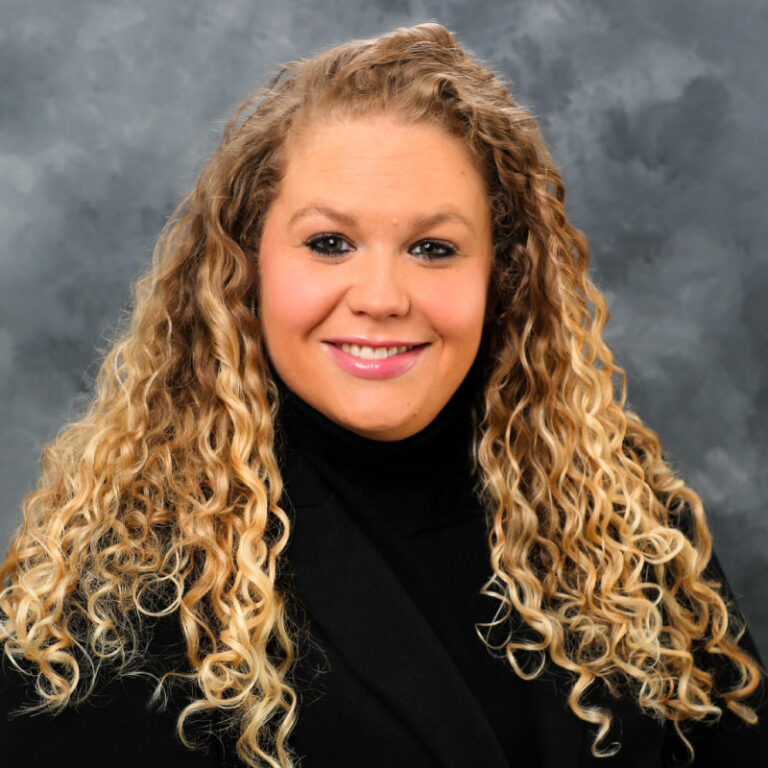
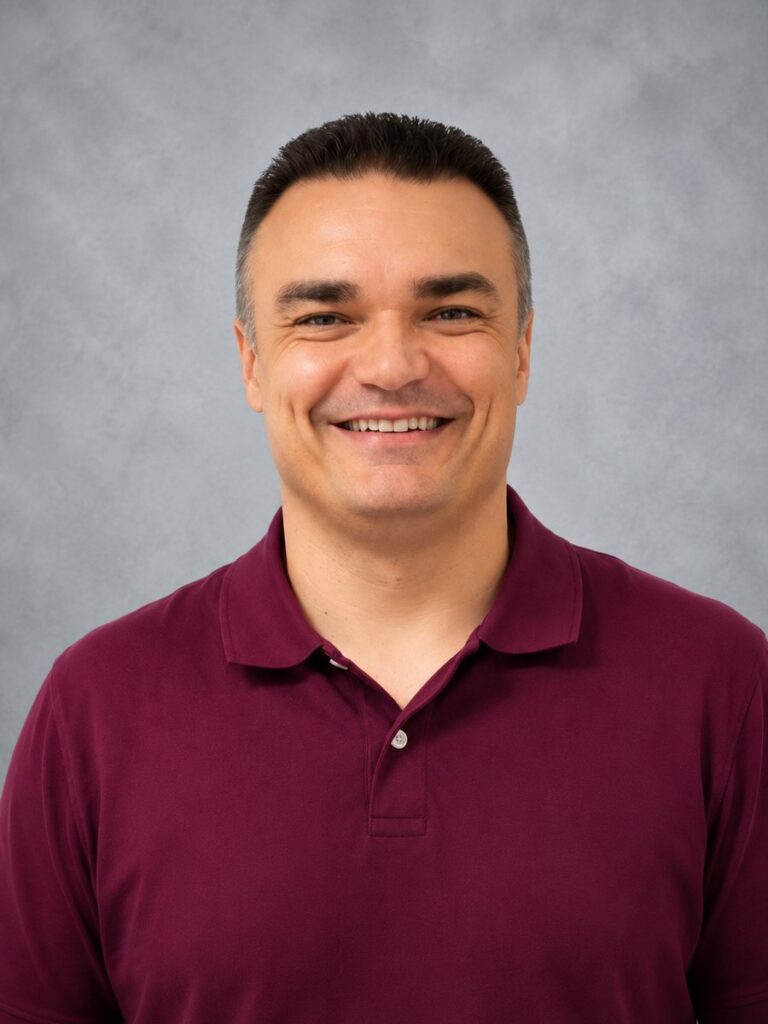
You will be matched with a licensed clinician at the office. Carol Tudor, LPC and Beth Levy-Merlin, PhD, MSW, LCSW are among the clinicians who offer CBT. More background is on our main CBT page.
 Clinically reviewed by Julie Potischman, PhD, LPC, NCC, CST, partner and co-founder of Roseland Psychotherapy Associates and an AASECT-certified sex therapist. Meet the team.

Thoughts, feelings and behavior form a loop
The thought "I will embarrass myself" brings dread. Dread leads to avoidance. Avoidance blocks the experience that would have disproved the thought, so the thought sticks around, ready to fire again. Treatment targets the two parts of that loop you can change on purpose: what you think and what you do.
You cannot change a feeling by deciding to. Feelings reliably shift when the other two parts change, though, and that is why CBT feels practical and not abstract.
Here are some common concerns where the approach is used:
- Low mood: pulling back from people and activities, and harsh self-judgment
- Anxiety and panic: avoidance, worry and fear of bodily sensations
- Social fear: rehearsing before an event and replaying it afterward
- OCD: a form of CBT called ERP, described on our OCD specialist page for Morris Plains
- Stress and poor sleep: habits and thoughts that keep the body on alert
CBT is not the only approach clinicians here use, and a good match matters more than any single method.
What a course of CBT looks like
CBT runs on more structure than the therapy you may have pictured from television. Each session has an agenda you build together. Goals are named at the start, and progress toward them is measured, so you know whether it is working.
The first sessions are for assessment and goal-setting. Your clinician maps the problem as a loop: which situations set it off, which thoughts arise, which behaviors follow and what they cost you.
The middle phase is for skills and experiments. You learn tools such as thought records, activity scheduling and graded exposure, then test your predictions in real life, one chosen situation at a time. Practice between sessions carries much of the weight, and your clinician reviews it with you without judgment if a week went sideways.
The last phase focuses on staying well. You pull the skills together into a plan for what to do when old patterns start up again.
The aim from day one is to teach you the skills well enough that you no longer need a therapist, and treatment can wrap up. Many people complete CBT in a few months of weekly sessions, though the range is wide.
CBT for depression, anxiety and everyday stress
CBT has the strongest research record in the field for depression and for anxiety disorders, and clinicians also use it for stress, sleep trouble and low self-esteem. For low mood, a core tool is behavioral activation: returning to activities and people before motivation arrives, since motivation usually follows action. For anxiety, graded exposure teaches your alarm system to settle by approaching what you avoid in small steps.
If both are present, treatment can address them together. Our depression and anxiety therapy page for Morris Plains explains how that works, and our anxiety therapy page for Morris Plains covers panic and phobias.
CBT can also support young people. Clinicians adapt it to age. Parents are part of the plan.
Not everyone wants a structured approach. If you prefer to start by talking through a hard period, your clinician can begin that way and bring in skills as you go. The method is chosen with you, not imposed on you.
If you are in crisis or thinking about suicide, call or text 988 or go to the nearest emergency room.
Is CBT the right fit for you?
CBT suits people who like clear goals, concrete tools and practice between sessions. It is also a good choice if you want to understand why a feeling is arising, not only to talk about it. Many clients like that the sessions have a direction.
It may feel less helpful if what you need most is space to grieve, or if a relationship pattern runs through everything. A clinician can combine methods, or can suggest another approach if CBT does not fit. You can say so at any point.
Medication is a separate question. Roseland Psychotherapy Associates does not prescribe, but your clinician can coordinate with your doctor or psychiatric prescriber while therapy continues.
Homework should be manageable, not punishing. If assignments feel like too much, tell your clinician and they will resize them.
If you are unsure which method to ask for, you do not need to be. When you call, describe what is going on and what you want to change. The office suggests a clinician, and your first session is a chance to see whether the approach feels right. To explore the wider team first, visit our team page.
Reaching Roseland from Morris Plains for CBT, or meeting on screen
The office is at 425 Eagle Rock Avenue, Suite 103, about 19 minutes and 13.6 miles from Morris Plains. Routes include County Road 611, Interstate 280, Interstate 80 and US 202. You will find the office on the first floor, with no-cost parking in the front lot and the side lot, plus wheelchair-accessible parking and walkways. Neighbors in Cedar Knolls, Morristown, Whippany and Convent Station reach us along similar roads.
Morris Plains is a Morris County borough of 6,153 people, and it has been described as a bedroom community with many residents commuting to New York City. Because CBT depends on weekly practice, a steady schedule helps. Weekday, evening and weekend appointments are available by scheduling.
CBT is concrete and skills-based, which can suit video. Some clients attend in Roseland, some online and some switch back and forth, and video works from anywhere in the state.
Call (973) 226-1505 or request an appointment through the contact page. No referral is needed.

Further reading: Association for Behavioral and Cognitive Therapies.
Who you'd see
Clinicians who treat Cognitive Behavioral Therapy (CBT)


CBT for Morris Plains: getting here
Usual route: Eagle Rock Avenue (CR 611), I-280, I-80, US-202.
Roseland Psychotherapy Associates
425 Eagle Rock Avenue, Suite 103
Roseland, NJ 07068 · (973) 226-1505 · Open in Maps
How to get started
Call or request a time
Call (973) 226-1505 or use the appointment form. Our office answers questions and can check your insurance coverage.
We match you
Tell us what is going on and when you are free. We pair you with the licensed clinician on our team who fits your concern and schedule.
Start in person or by video
Meet at 425 Eagle Rock Avenue with free parking, or log in from home in Morris Plains. You can switch between the two as life changes.
CBT in Morris Plains: questions
Still unsure? Call (973) 226-1505 and ask us directly.
Is there CBT near Morris Plains?
Yes. Roseland Psychotherapy Associates offers cognitive behavioral therapy about 19 minutes from Morris Plains, in Roseland, and by secure video anywhere in New Jersey. When you phone (973) 226-1505, the office assigns you a licensed clinician. No referral is needed.
Can I do CBT by video from Morris Plains?
Yes. Secure video is available anywhere in New Jersey, and CBT is concrete and skills-based. Many clients alternate between video and office visits. You need a private room and a stable connection.
How long does CBT take?
Many people complete CBT in a few months of weekly sessions, though some need more time and some less. Sessions run 45 to 60 minutes, goals are named at the start and progress is measured. The aim is for you to learn the skills so treatment can end.
What happens in a first CBT session?
Your clinician asks what brought you in, maps the problem as a loop of situations, thoughts and behaviors, and works with you on goals. It is mostly conversation. You are not given hard exercises before the picture is clear.
Does insurance cover CBT?
Coverage depends on your plan. Call (973) 226-1505 and the office can check your insurance coverage when you call, so you know what to expect before you book. Cancellations and reschedules need 24 hours notice.
Is CBT only for anxiety and depression?
No. Clinicians also use it for stress, sleep trouble, low self-esteem, panic, social fear and OCD, where a form of CBT called ERP is the main treatment. If you are not sure CBT fits your situation, call and describe it, and the office will suggest a starting point.
Call or text (973) 226-1505
We'd love to hear from you. Tell us a little about what's going on and we'll match you with the therapist who fits you best, and check your insurance while we're at it. If you already know who you'd like to see, we'll book you with them. No referral needed. Press 0 for scheduling.
Weekday, evening and weekend appointments. Most major insurance accepted.