
Service areas / Irvington / Marriage therapy
Marriage therapy near Irvington, NJ
Roseland Psychotherapy Associates offers marriage therapy near Irvington for couples with years of shared history. Our Roseland office is about 17 minutes from the township, and secure video sessions are open to any couple in New Jersey.
About 17 minutes from Irvington to our Roseland office. Secure video anywhere in New Jersey. No referral needed.
Quick answer
Looking for marriage therapy near Irvington? Roseland Psychotherapy Associates, at 425 Eagle Rock Avenue in Roseland, is about 17 minutes (11 miles) from Irvington. Licensed clinicians see married couples in person or by secure video, with weekday, evening and weekend times by scheduling. No referral is needed. A call to (973) 226-1505 gets you paired with a clinician by the office.
Marriage therapy near Irvington for couples with a long history
After a decade or three, every marriage has a ledger of its own. It holds kindnesses and injuries, promises kept and broken, the stretch when one of you carried everything and the stretch when the other did. In a long marriage, tonight's fight seldom turns out to be the true subject. Most of the heat comes from balances carried forward for years.
That is why marriage therapy near Irvington should not treat you like a couple who met last spring. Our clinicians take the history seriously, and they ask about it early.
The distance often arrives quietly. Work, children and aging parents each give you a good reason to put the marriage itself off. Then the house gets quieter, and two people find they have turned into efficient co-managers of a household and strangers at dinner.
Couples tell us they come in for reasons such as these:
- old injuries that were filed away and never repaired
- an empty nest that leaves a child-centered marriage exposed
- a betrayal or discovered secret one partner cannot get past
- retirement, faith, health or ambition pulling in different directions
- a question neither of you has said aloud: whether to stay married
Any of these is a workable starting point. You do not need to agree on the problem before the first call.
 Clinically reviewed by Julie Potischman, PhD, LPC, NCC, CST, partner and co-founder of Roseland Psychotherapy Associates and an AASECT-certified sex therapist. Meet the team.

Rupture, repair and what changes in the room
Long marriages fail from a lack of repair more often than from a lack of love. Every couple has ruptures. The difference between a marriage that grows closer and one that empties out lies in the aftermath.
Therapy slows repair down enough for it to work. The injured spouse gets to say the whole thing. The other spouse hears it without arguing back. The hurt gets named at its true size, without being minimized or turned into a prosecution. Done again and again, this is how trust comes back after years of distance.
You will notice a few things about how the clinician runs the room:
- One person speaks at a time, and the other is asked to listen for what is underneath.
- The focus stays on the pattern happening now, not on re-trying old cases.
- Neither of you is cast as the one who is broken.
Several of our clinicians see married couples. They include Julie Potischman, PhD, LPC, NCC, CST, who is a partner and co-founder of the practice. When you call, the office listens to what is happening and matches you with the person who seems the best fit, so you do not need to choose from a list.
If the strain involves a specific injury or physical closeness, we can bring in specialists from within the practice instead of sending you somewhere new.
When one of you is unsure about staying
In some pairs, one or both people are already halfway gone. Sometimes the goals do not match at all, with one spouse working to rescue the marriage while the other has quietly decided it is over. Ordinary couples work presumes a shared wish to remain together, and here that presumption does not hold.
Discernment-style work was built for this situation. It is short and structured, and its goal is a clear decision you reach together instead of a repaired marriage. You have three honest options: recommit to the work, separate deliberately, or hold steady while you gather more clarity. Knowing where you stand, whichever direction it points, beats drifting in doubt for years.
Nobody on the clinical team leans on you to remain or to go. That decision belongs to the two of you.
People often ask whether it is too late. The length of the rough patch is not what determines where things end up. Couples who have been distant for years can make real progress when both engage, and a spouse who is not ready yet can still use a few sessions to bring the question to an honest answer.
If the strain began with a betrayal, our infidelity therapy page for Irvington describes how affair recovery is staged. If physical closeness is the sore spot, the sex therapy page explains that work.
How the sessions are structured
Session one is spent reviewing the marriage together, from the day you met through the present and the points where each of you sees a shift. Expect to talk about the years, not only this month.
Individual sessions come early. Each spouse gets time to speak without the other present, because long marriages hold things that have never been said anywhere else. After that, joint sessions usually run 45 to 60 minutes once a week, centered on the pattern that is happening now.
Partway through there is an honest midpoint review. You and your clinician look at what has changed, what has not, and whether the goals you set still fit. Plans are allowed to change.
Many couples with full calendars find weekly attendance easier by video. Some also like the first sessions better from home, where a hard conversation does not follow a drive. You can alternate between office and video weeks, and the clinician adjusts the schedule as things settle.
If you are weighing a wider family conversation as well, our couples and family therapy page for Irvington explains how those sessions work, and the main marriage therapy page covers the approach in full.
Making the first call after years of putting it off
Plenty of couples have been meaning to make this call for years. Waiting does not mean you are beyond help. Long-standing patterns can still change with treatment, and the first session is a conversation about where things stand, not a verdict.
You do not need a referral, and you do not need to be sure that you want to stay married. You also do not need to know which of you will say more. Some people prefer to call alone first, and that is a normal way to begin.
When you call (973) 226-1505, the office asks a few plain questions about what is going on and about scheduling. It then matches you with a clinician and checks your insurance coverage if you ask. If you would rather write, you can use the appointment request form.
Couples who search for marriage therapy near Irvington often wonder what to say first. One note on expectations. No honest clinician can promise that a marriage will survive, and we do not. What we can promise is a structured, respectful process in which both of you are heard, and a humane path forward whichever way the marriage goes.
Bring whatever you have. A list of grievances, a single sentence, or nothing prepared at all is enough to start.
Getting from Irvington to the Roseland office
Our office is about 17 minutes and 11 miles from Irvington, reached by routes such as County Road 611, County Road 527, I-280, Freeway Drive East and Western Parkway. Nearby towns include Maplewood, South Orange, East Orange, Newark, Orange and Millburn. The office occupies Suite 103 at 425 Eagle Rock Avenue, on the first floor. Free parking is available at the front and side of the building, and the parking spaces and walkways are wheelchair accessible.
Irvington is a township of more than 61,000 people in Essex County, and many households there juggle two schedules, children and elders. If a drive after work is hard to fit, weekday, evening and weekend appointments are available by scheduling, and secure video is open to couples anywhere in New Jersey. You can join together from one screen at home, or from two locations if you are living apart for now. Many couples mix office and video visits.
Marriage therapy near Irvington does not have to compete with your commute. To get started, call (973) 226-1505 or use the appointment request form. The office can check your insurance coverage when you call.

Further reading: American Association for Marriage and Family Therapy.
Who you'd see
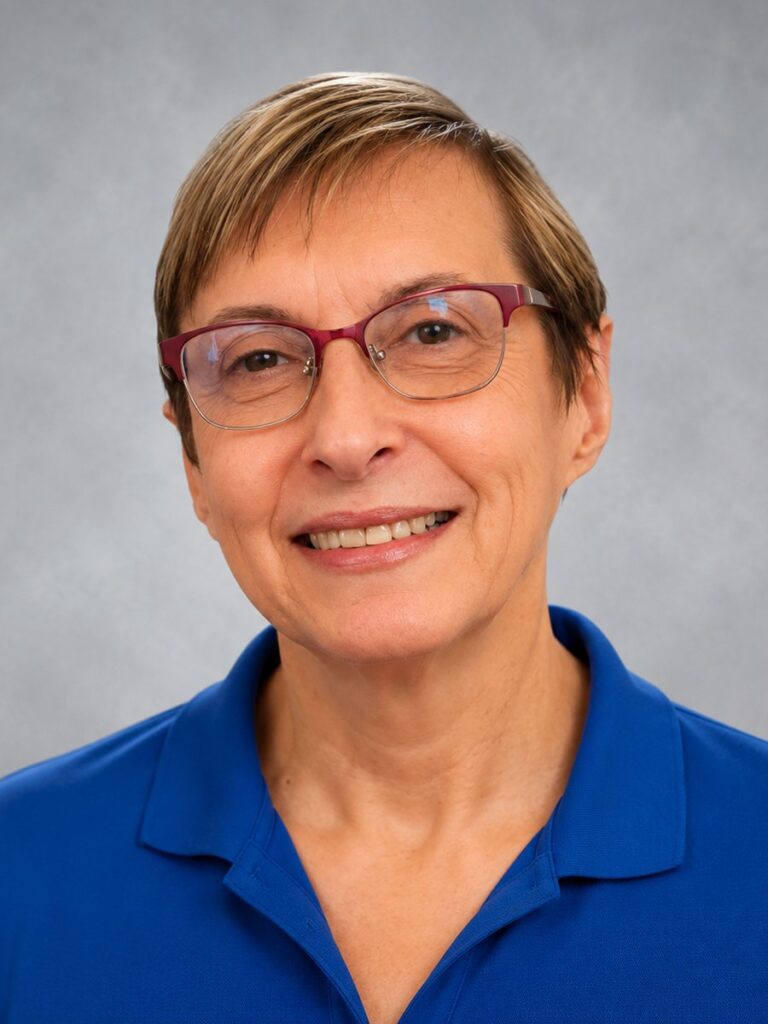
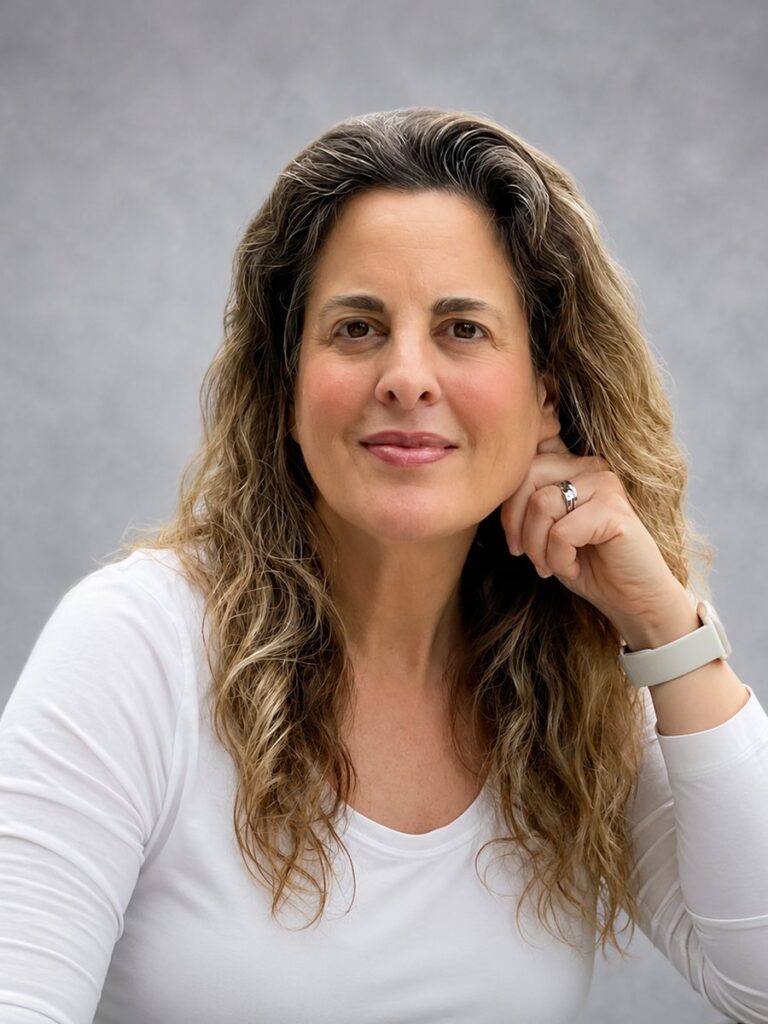
Clinicians who treat Couples Counseling and Relationship issues

Marriage therapy for Irvington: getting here
Usual route: Eagle Rock Avenue (CR 611), CR 527, I-280, Freeway Drive East.
Roseland Psychotherapy Associates
425 Eagle Rock Avenue, Suite 103
Roseland, NJ 07068 · (973) 226-1505 · Open in Maps
Nearby towns we also serve
How to get started
Call or request a time
Call (973) 226-1505 or use the appointment form. Our office answers questions and can check your insurance coverage.
We match you
Tell us what is going on and when you are free. We pair you with the licensed clinician on our team who fits your concern and schedule.
Start in person or by video
Meet at 425 Eagle Rock Avenue with free parking, or log in from home in Irvington. You can switch between the two as life changes.
Marriage therapy in Irvington: questions
Still unsure? Call (973) 226-1505 and ask us directly.
Is there a marriage therapist near Irvington?
Yes. Roseland Psychotherapy Associates is about 17 minutes from Irvington in Roseland, with licensed clinicians who see married couples in person and by secure video. You do not need a referral. The office, reachable at (973) 226-1505, will pair you with a clinician suited to your circumstances.
Can my spouse and I do marriage therapy by video from Irvington?
Yes. Secure video is available anywhere in New Jersey, so you can join from home on the same screen or from separate places. Some couples find the early sessions easier without a drive. You can also alternate between video and our Roseland office whenever your schedule calls for it.
Is it too late for our marriage?
Years of distance do not settle the question in advance. Couples who have been distant for years still make real progress when both spouses take part. If one of you is not ready yet, a few discernment-style sessions can bring the question to an honest answer. No clinician can promise a result.
What is discernment counseling?
It is a short, structured process for couples in which at least one spouse is unsure about staying married. The goal is a clear decision made together: recommit to therapy, separate deliberately, or pause. Repairing the marriage is not the aim at this stage. It usually takes a handful of sessions, not months.
How often do marriage therapy sessions happen?
Joint sessions usually run 45 to 60 minutes and happen weekly. Each spouse also has some individual time early on. Partway through, you and your clinician review what has changed and adjust the plan. Because the schedule is flexible, many couples shift from office visits to video when work or family gets busy.
Does insurance cover marriage therapy?
Coverage depends on your plan. Call (973) 226-1505 and the office can check your insurance coverage when you call, before your first appointment. You do not need a referral to book, and you do not need to decide anything about the future of your marriage in order to schedule a first session.
Call or text (973) 226-1505
We'd love to hear from you. Tell us a little about what's going on and we'll match you with the therapist who fits you best, and check your insurance while we're at it. If you already know who you'd like to see, we'll book you with them. No referral needed. Press 0 for scheduling.
Weekday, evening and weekend appointments. Most major insurance accepted.