
Service areas / Mountain Lakes / Marriage therapy
Marriage therapy near Mountain Lakes, NJ
Roseland Psychotherapy Associates helps married couples with years of shared history, including the hard chapters. For marriage therapy near Mountain Lakes, our Roseland office is about 18 minutes away, and secure video sessions are available statewide.
About 18 minutes from Mountain Lakes to our Roseland office. Secure video anywhere in New Jersey. No referral needed.
Quick answer
Where can you find marriage therapy near Mountain Lakes? Roseland Psychotherapy Associates, at 425 Eagle Rock Avenue in Roseland, is about 18 minutes (12.1 miles) from the borough. Married couples can be seen face to face at the Roseland office or over secure video from anywhere in New Jersey, always by licensed clinicians. No referral is needed. When you call (973) 226-1505, the office pairs you with the right clinician.
What marriage therapy near Mountain Lakes can offer long-married couples
A marriage of ten, twenty or thirty years carries a ledger that a new relationship does not have. Kindnesses and injuries sit side by side in it, along with promises honored, promises forgotten, one spouse's heavy year and the other spouse's turn to carry the load. When a long marriage struggles, the argument in the kitchen is seldom the real one. Most of the time the fight is spending a balance that has been building for decades.
Marriage therapy near Mountain Lakes at our practice takes that history seriously. You will not be handled as newlyweds still sorting out the basics. The distance in many marriages arrives quietly. Work, children and aging parents each supply a good reason to postpone the marriage itself, and then the house gets quiet and two people realize they have become efficient co-managers and strangers at dinner.
That recognition is often what prompts the call. It does not mean the marriage is finished. It means something that was set aside needs attention, and it can still be given.
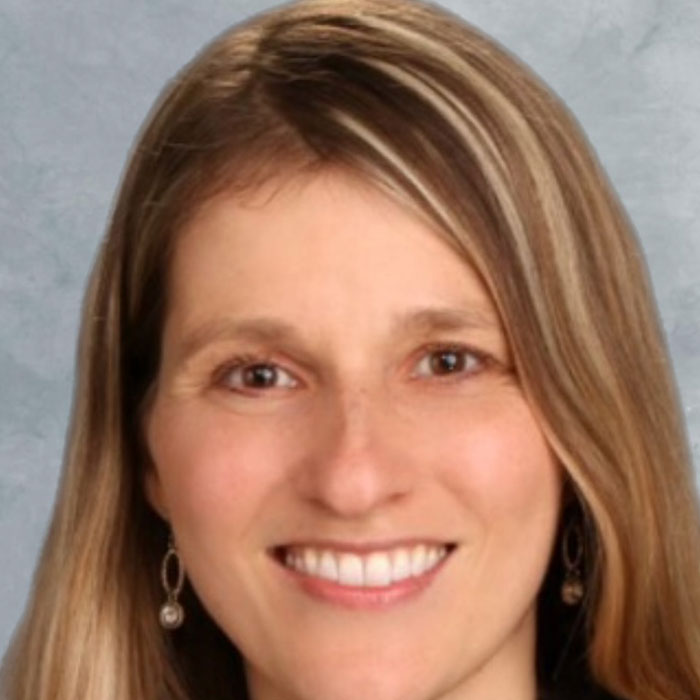
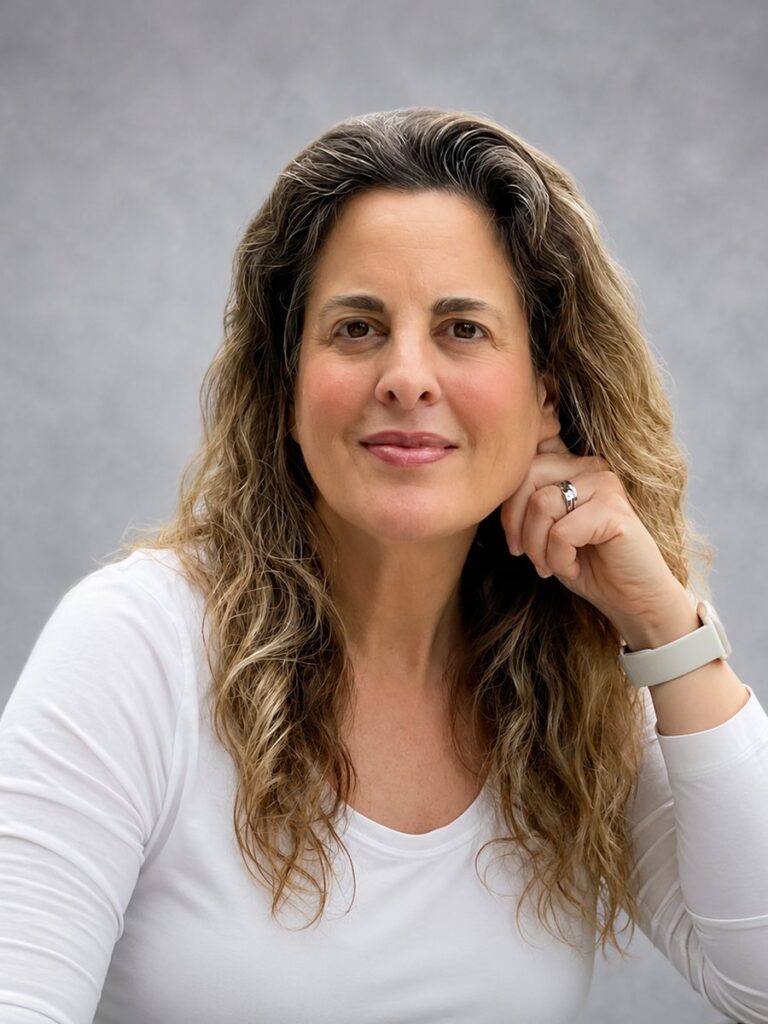
Our clinicians who see married couples include Julie Potischman, PhD, LPC, NCC, CST and Beth Levy-Merlin, PhD, MSW, LCSW. Details on the approach are on our marriage therapy page.
 Clinically reviewed by Julie Potischman, PhD, LPC, NCC, CST, partner and co-founder of Roseland Psychotherapy Associates and an AASECT-certified sex therapist. Meet the team.

Reasons married couples come in
No single event brings every couple through the door. These are the situations we hear about most:
- Built-up resentment: old injuries that were filed away rather than repaired
- The empty nest: the children have left, and a marriage organized around them is suddenly exposed
- A rupture: a betrayal, a discovered secret or a stretch of absence that one partner cannot move past
- Diverging lives: retirement, faith, health or ambition pulling in different directions after years of agreement
- The unspoken question: whether to stay married at all
Couples sometimes worry that their situation is too ordinary to deserve a clinician's time, or too tangled to be fixable. Neither is true. Ordinary drift is one of the most common reasons people call, and tangled histories are the very thing a long-term couples clinician is used to hearing.
You do not need to agree on the problem before you arrive. Many pairs come with two different versions of events, and part of the first sessions is laying those versions side by side so neither partner feels erased.
If an affair is part of the picture, our infidelity therapy page for Mountain Lakes explains how recovery is staged.
Rupture, repair and trust that returns slowly
Long marriages usually fail from too little repair, not too little love. Every couple has ruptures. A marriage deepens or hollows out depending on how the two of you handle the aftermath.
Therapy slows repair down enough for it to work. The injured spouse says the whole thing. The other spouse listens without arguing back. The injury is named at its real size, neither shrunk nor put on trial. It can feel unnatural at first, since most couples fight in the opposite pattern, with both people defending and neither being heard.
Done again and again, these exchanges are how trust returns after years of distance. It rarely returns in one dramatic session. It returns in small moments when one person reaches out and the other answers differently than they used to.
Your clinician will also watch for the patterns that keep the cycle going, such as a spouse who withdraws every time the other raises a concern, and a partner who raises it louder each time the other goes quiet. Seeing the pattern together is a turning point for many couples, because the problem stops being the other person and becomes the loop you share.
When one of you is unsure about staying
Occasionally a couple comes in with one spouse already halfway to leaving. Others arrive wanting different things, with one spouse hoping to save the marriage and the other quietly finished. Standard marriage counseling assumes both people want to stay, which is the wrong assumption at this point.
Discernment-style work is built for this situation. It is short and structured, and its goal is a clear decision the two of you reach together, not a repaired marriage. Three outcomes are on the table: renewed commitment, a planned separation, or a pause while things become clearer. Either conclusion beats drifting through year after year of not knowing.
Nobody on our team nudges a couple in either direction, whether toward the marriage or away from it. That decision belongs to the two of you. What we can do is make the conversation honest and keep it from turning into a fight.
If the strain centers on a specific injury, or on physical closeness, the practice can bring in clinicians experienced in affair recovery and sex therapists, including an AASECT-certified clinician, so you do not have to start over somewhere new. Our couples and family therapy page for Mountain Lakes covers work that includes more members of the household.
How the sessions are organized
Marriage therapy near Mountain Lakes with our clinicians begins with a joint history session. Each of you tells the story of how the relationship began, what followed, and the point at which you believe it changed course.
Individual time follows early on. Each spouse gets a session without the other present, because long marriages hold things that have never been said anywhere else. What you share privately helps the clinician understand the whole picture.
After that come joint sessions of 45 to 60 minutes, usually weekly, focused on the pattern happening now rather than re-trying old cases. Partway through, you and your clinician review honestly what has changed, what has not and whether the goals still fit.
Many couples ask how long the work will last. There is no set answer. Some couples find that a few months of steady sessions reset how they talk to each other, while others use therapy for longer as they work through bigger injuries. Your clinician will check in about pace throughout.
If you are unsure whether you are ready, the first session is a conversation about where things stand. Nothing is decided in it, and no one is asked to take sides.
Reaching our Roseland office from Mountain Lakes
The office is about 18 minutes and 12.1 miles from Mountain Lakes. Couples often come by way of CR 611, I-280 or I-80, and some use I-287 or CR 618. The building is on the first floor at 425 Eagle Rock Avenue, Suite 103, with free parking at the front and side and wheelchair-accessible walkways. The office is reached from town in a drive of under twenty minutes, so a session can fit in an evening or on a weekend without turning into an outing.
Mountain Lakes is a small borough of 4,472 residents in Morris County, and we also see couples from nearby Boonton, Denville, Parsippany and Lake Hiawatha. When two work calendars and a school schedule leave no free hour, secure video sessions let both of you join from home, or from two separate places if one of you is traveling. Many couples alternate between office and video weeks.
Weekday, evening and weekend appointments are offered by scheduling. Whichever format you choose, the clinician and the schedule stay the same. Call (973) 226-1505 or request a time on the contact page. No referral is needed, and the office can check your insurance coverage when you call.

Further reading: American Association for Marriage and Family Therapy.
Who you'd see
Clinicians who treat Couples Counseling and Relationship issues


Marriage therapy for Mountain Lakes: getting here
Usual route: Eagle Rock Avenue (CR 611), I-280, I-80, I-287.
Roseland Psychotherapy Associates
425 Eagle Rock Avenue, Suite 103
Roseland, NJ 07068 · (973) 226-1505 · Open in Maps
How to get started
Call or request a time
Call (973) 226-1505 or use the appointment form. Our office answers questions and can check your insurance coverage.
We match you
Tell us what is going on and when you are free. We pair you with the licensed clinician on our team who fits your concern and schedule.
Start in person or by video
Meet at 425 Eagle Rock Avenue with free parking, or log in from home in Mountain Lakes. You can switch between the two as life changes.
Marriage therapy in Mountain Lakes: questions
Still unsure? Call (973) 226-1505 and ask us directly.
Is there marriage therapy near Mountain Lakes?
Yes. Roseland Psychotherapy Associates is about 18 minutes from Mountain Lakes, with licensed clinicians who see married couples in person and by secure video. Call (973) 226-1505 and the office will match you with the clinician who fits. You do not need a referral to book. Evening and weekend times are available by scheduling.
Is it too late for our marriage?
The length of time a marriage has been struggling is not what determines how it ends. Couples who have been distant for years can still make real progress when both spouses engage. If one of you is not ready, discernment-style sessions can at least bring the question to an honest answer.
What is discernment counseling?
It is a short, structured process for couples in which at least one spouse is unsure about staying married. The goal is a clear decision made together: recommit to therapy, separate deliberately, or pause. Repairing the marriage is not the aim at this stage, and it usually takes a handful of sessions.
Can we do marriage therapy by video from Mountain Lakes?
Yes. Secure video is available anywhere in New Jersey, and it makes weekly attendance easier when both calendars are full. Some spouses find early sessions easier from home. Couples can also alternate between video weeks and visits to our Roseland office. Your clinician will tell you if a particular session would work better in person.
Will you tell us whether to stay together?
No. Our clinicians do not push couples toward staying or leaving. They give the two of you a safe place for hard conversations and help you reach your own decision. What you build from the work is yours to choose. Many couples find that this freedom makes the first honest conversation easier to start.
Does insurance cover marriage therapy?
Coverage depends on your plan. Call (973) 226-1505 and the office will check your coverage before your first appointment. If cost or coverage is a worry, say so when you call, and we will help you understand the options before you book. You do not need to decide anything about the future of the marriage before calling.
More care for Mountain Lakes
Call or text (973) 226-1505
We'd love to hear from you. Tell us a little about what's going on and we'll match you with the therapist who fits you best, and check your insurance while we're at it. If you already know who you'd like to see, we'll book you with them. No referral needed. Press 0 for scheduling.
Weekday, evening and weekend appointments. Most major insurance accepted.