
Service areas / Prospect Park / Marriage therapy
Marriage therapy near Prospect Park, NJ
Roseland Psychotherapy Associates helps married couples repair trust and close the distance that years of ordinary life can open. If you want marriage therapy near Prospect Park, our Roseland office is about 24 minutes away, and secure video sessions work from home.
About 24 minutes from Prospect Park to our Roseland office. Secure video anywhere in New Jersey. No referral needed.
Quick answer
Where can you find marriage therapy near Prospect Park? Roseland Psychotherapy Associates, at 425 Eagle Rock Avenue in Roseland, is about 24 minutes (13.5 miles) from the borough. Married couples can meet licensed clinicians at the Roseland office or over secure video from any New Jersey address. No referral is needed. Phone (973) 226-1505 and office staff will pair you with the right clinician.
Marriage therapy near Prospect Park for couples with long histories
After ten, twenty or thirty years together, a marriage holds a running tally. It records kindnesses and injuries, promises kept and promises dropped, the stretch when one of you held everything together and the stretch when the other did. When a long marriage strains, the fight in front of you is rarely the real one. The argument tends to be paid out of an account opened long ago.
Marriage therapy takes that history seriously. The clinician does not treat you like a couple who met last spring, because you did not. The goal is to understand the pattern you have both settled into, then change how the two of you move through it.
The distance often arrives quietly. Work, children and aging parents each give a sensible reason to postpone the marriage itself. Then the house gets quieter, and two people find they have become efficient managers of a household and strangers at dinner.
Couples tend to come to us for reasons like these:
- Resentment from old injuries that were filed away, never repaired
- An empty nest that exposes a marriage built around the children
- A betrayal or a long absence that one partner cannot get past
- Lives pulling in different directions after retirement, illness or a change of faith
- A question neither of you has said aloud: whether to stay married at all
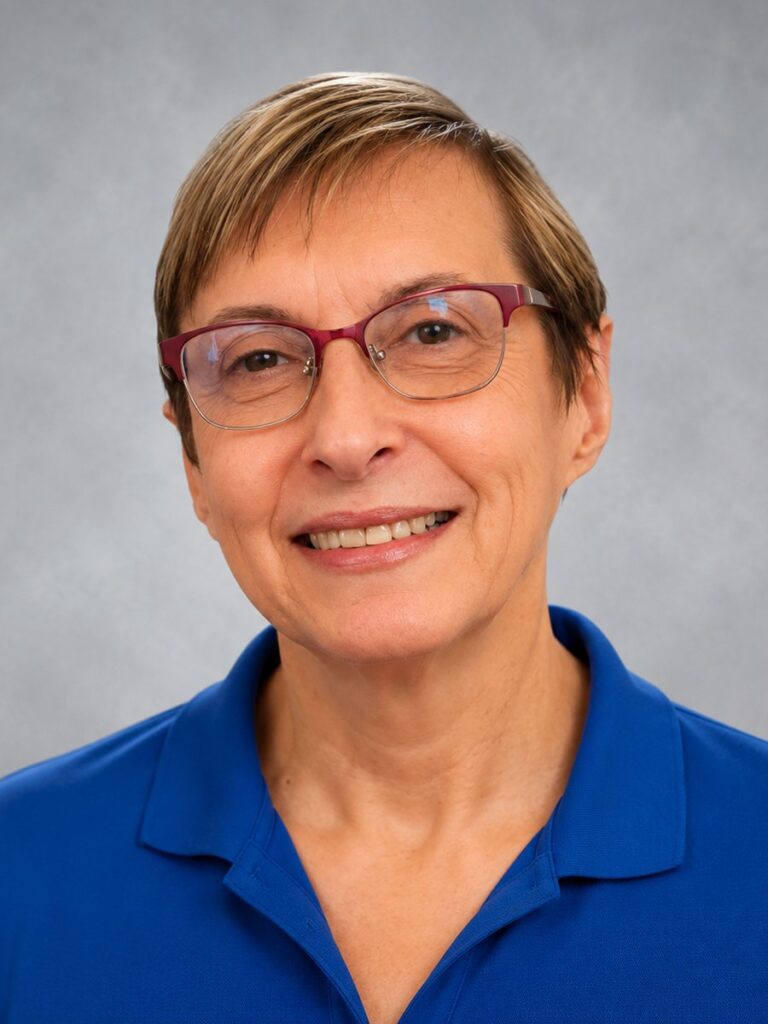
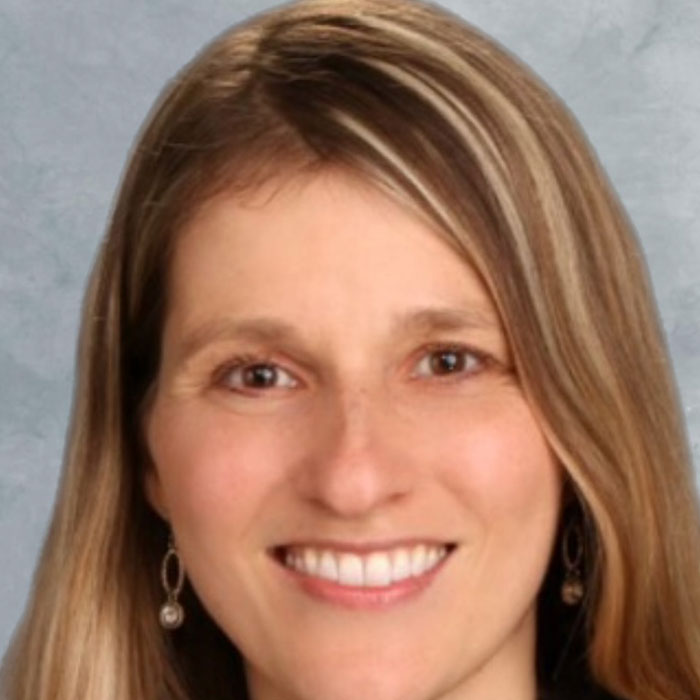
 Clinically reviewed by Julie Potischman, PhD, LPC, NCC, CST, partner and co-founder of Roseland Psychotherapy Associates and an AASECT-certified sex therapist. Meet the team.

How repair works when trust has worn thin
Long marriages usually fail from a shortage of repair, not a shortage of love. Every couple has ruptures. The difference between a marriage that grows closer and one that empties out lies in the aftermath of each break.
In therapy, repair is slowed down enough to work. The injured spouse says the whole thing. The other spouse listens without arguing back. The injury is named at its real size, neither shrunk nor put on trial. Done again and again over time, that exchange is how trust returns after years of distance.
The clinician sits in the middle without taking a side. Nobody is cast as the problem, and nobody is asked to apologize for having feelings. The work centers on the pattern that is happening now, instead of re-trying old cases.
Many couples are surprised by how much changes once the arguments stop being about the dishes, the money or the in-laws and start being about what each of you needed and did not get. That shift is where couples usually begin to feel closer again.
If the strain centers on an affair, our infidelity therapy page for Prospect Park describes how recovery is staged. If it centers on physical intimacy, our sex therapy page explains how that work is done.
What if one of you is not sure the marriage can continue?
In some pairs, one or both partners are already halfway to leaving. In others the goals diverge, with one spouse wanting to rescue the marriage while the other has privately stopped believing in it. Standard counseling assumes both people want to stay, which is the wrong assumption at that point.
Discernment-style work is built for this situation. The process is brief and organized, and it aims at a shared, clear decision rather than at mending the relationship. Three paths stay open: commit again, part on purpose, or pause the decision until things look clearer. A clear answer either way beats years of ambivalence, and it is a common starting point for couples who contact us about marriage therapy near Prospect Park.
Nobody on our team steers you toward either outcome. That decision belongs to the two of you. Our role is to give the question a safe room and enough structure that it can finally be answered.
Couples who are already separated are welcome too. Some work toward reconciliation. Others use sessions to separate well, which matters most when children are involved. Either one is a good reason to come in.
If you have been meaning to make this call for years, long-standing patterns can still change with treatment. Your first visit is simply a talk about your present situation. You can read more about our approach on the main marriage therapy page.
What the first months of sessions look like
The work usually follows a clear shape, so you know what you are agreeing to before you start.
- First comes a joint history session, covering how the relationship began, the years since, and the point each of you believes it shifted.
- Individual sessions follow early on. Each spouse gets time to speak without the other present, because long marriages hold things that have never been said anywhere else.
- Joint sessions then run 45 to 60 minutes, usually weekly, and focus on the pattern at work now.
- Halfway through, a review checks what has shifted, what is stuck, and whether the original goals still apply.
Marriage therapy often runs several months, and longer when there is a deep rupture or many years of built-up resentment. Your clinician reviews progress with you regularly, so you both know where things stand and can set the pace together.
Marriage therapy near Prospect Park is not limited to one clinician. Several of our clinicians work with couples, including Julie Potischman, PhD, LPC, NCC, CST, partner and co-founder of the practice. When the office matches you with a clinician, it looks at both of you, not only at the person who made the call.
If your situation also involves children or a blended household, our couples and family therapy page for Prospect Park covers how those sessions work.
Common worries before a couple's first call
Is it too late for us? Years of difficulty do not fix how things end. Couples who have been distant for years still make real progress when both spouses take part. When one spouse is not ready yet, a few discernment sessions can at least bring the question to an honest answer.
Can you promise our marriage will survive? No honest clinician can. What we offer is a structured process, clinicians experienced with long-term couples, and a setting where the hardest conversations can happen safely. What you build from that is up to you.
Will we be told who is right? No. The clinician supports the marriage, not one side. You will not be asked to defend yourselves, and you will not be given a verdict.
Do we both have to come? Ideally, yes, since the work happens between the two of you. If your spouse is not ready, though, you are still welcome to come alone and begin sorting out what you want. Many people start that way.
Does it matter that we are not in crisis? Not at all. You do not need to be on the edge of divorce. Couples who start sooner often have more to work with.
You do not need a referral, and you can call without a plan. Tell the office what is happening, and they will suggest who should come to the first session.
Reaching Roseland from Prospect Park, or staying home
Prospect Park is a small borough in Passaic County, about 13.5 miles and 24 minutes from our Roseland office. Routes such as County Road 611, County Road 613 and US 46 lead toward Roseland, and the exact path depends on the time of day. Neighbors close by include Haledon (0.6 miles), Paterson (1.4 miles), Totowa, Wayne and Woodland Park, and couples from those towns see us as well.
You will find us at 425 Eagle Rock Avenue, Suite 103, a first-floor suite. Parking costs nothing at the front and side of the building, and there are wheelchair-accessible spaces and walkways. Appointments run on weekdays, evenings and weekends by scheduling, which helps when two work calendars have to line up.
For many couples, video is the easier way to keep a weekly rhythm. If you want marriage therapy near Prospect Park without the drive, secure video is available anywhere in New Jersey, and spouses can join together or from separate places when travel keeps them apart. Some couples alternate office weeks and video weeks.
Call (973) 226-1505 or send the appointment request form. The office can check your insurance coverage when you call.

Further reading: American Association for Marriage and Family Therapy.
Who you'd see
Clinicians who treat Couples Counseling and Relationship issues
Marriage therapy for Prospect Park: getting here
Usual route: Eagle Rock Avenue (CR 611), CR 613, US-46, NJ-62.
Roseland Psychotherapy Associates
425 Eagle Rock Avenue, Suite 103
Roseland, NJ 07068 · (973) 226-1505 · Open in Maps
Nearby towns we also serve
How to get started
Call or request a time
Call (973) 226-1505 or use the appointment form. Our office answers questions and can check your insurance coverage.
We match you
Tell us what is going on and when you are free. We pair you with the licensed clinician on our team who fits your concern and schedule.
Start in person or by video
Meet at 425 Eagle Rock Avenue with free parking, or log in from home in Prospect Park. You can switch between the two as life changes.
Marriage therapy in Prospect Park: questions
Still unsure? Call (973) 226-1505 and ask us directly.
Is there a marriage counselor near Prospect Park?
Yes. Roseland Psychotherapy Associates is about 24 minutes from Prospect Park in Roseland, with licensed clinicians who work with married couples. You can meet in our first-floor office, which has free parking, or by secure video. Phone (973) 226-1505 and office staff will pair you with a clinician suited to you.
Can my spouse and I do marriage therapy by video from Prospect Park?
Yes. Secure video sessions are available anywhere in New Jersey, and spouses can join from the same room or from different places if work or travel keeps you apart. Many couples mix video weeks with visits to our Roseland office, depending on how the week goes.
What are signs a marriage needs therapy?
Common signs include feeling like roommates, the same argument repeating for years, resentment that does not fade, or one partner pulling away. Big transitions such as an empty nest, retirement or caring for aging parents often bring these to the surface. You do not need to be near divorce to start.
How long does marriage therapy take?
It often runs several months, and longer when there is a deep rupture or many years of built-up resentment. Early sessions focus on understanding the pattern and calming the conflict. Later sessions build new habits and repair. Your clinician reviews progress with you regularly so you can decide on the pace together.
What is discernment counseling?
It is a short, structured process for couples in which at least one spouse is unsure about staying married. The aim is a clear decision made together: recommit to therapy, separate deliberately, or pause. Repairing the marriage is not the goal at this stage. It usually takes a handful of sessions, not months.
Does insurance cover marriage therapy?
Coverage depends on your plan. Call (973) 226-1505 with your plan details and the office can check your coverage. You do not need a referral to book, and nobody will ask you to decide anything about the future of the marriage on that call.
More care for Prospect Park
Call or text (973) 226-1505
We'd love to hear from you. Tell us a little about what's going on and we'll match you with the therapist who fits you best, and check your insurance while we're at it. If you already know who you'd like to see, we'll book you with them. No referral needed. Press 0 for scheduling.
Weekday, evening and weekend appointments. Most major insurance accepted.