
Service areas / Wayne / Marriage therapy
Marriage therapy near Wayne, NJ
Roseland Psychotherapy Associates helps married couples from Passaic County work through resentment, distance and hard decisions. If you want marriage therapy near Wayne, our Roseland office is about 23 minutes away, and secure video sessions are available from home.
About 23 minutes from Wayne to our Roseland office. Secure video anywhere in New Jersey. No referral needed.
Quick answer
Where can you find marriage therapy near Wayne? Roseland Psychotherapy Associates, at 425 Eagle Rock Avenue in Roseland, is about 23 minutes (13 miles) from Wayne. Married couples can meet a licensed clinician at the Roseland office or online through secure video from any New Jersey address. No referral is needed. Call (973) 226-1505 and a staff member will pair you with a clinician.
What a long marriage brings into the room
Ten, twenty or thirty years of marriage build something a newer relationship does not have: a running account. It holds kindnesses and injuries, promises kept and promises dropped, the year one of you carried the household and the year the other did. When a long marriage struggles, the argument you are having tonight is rarely the real one. It usually draws on a balance that has been open for decades.
Marriage therapy takes that history seriously. Your clinician will not treat you like a couple who met last spring, and will want to hear how you got here before suggesting where to go.
The distance often arrives quietly. Jobs, kids and elderly parents all offer a plausible excuse to keep putting the marriage last. Then the house goes quiet, and two people find they have become efficient co-managers of a home and near strangers at dinner.
If that sounds familiar, you are not unusual, and it is not too late. Many couples who contact us have waited years to make the call. Our main marriage therapy page describes the full approach in more detail, and marriage therapy near Wayne follows that same approach.
Couples often tell us they expected the problem to be dramatic, when in fact it was a slow drift that nobody named. Naming it out loud, with a neutral person in the room, is frequently the first relief.
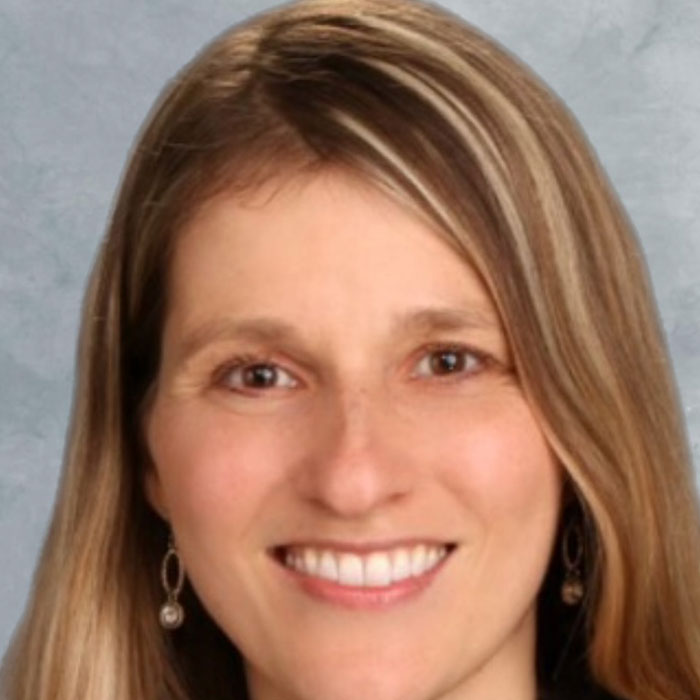
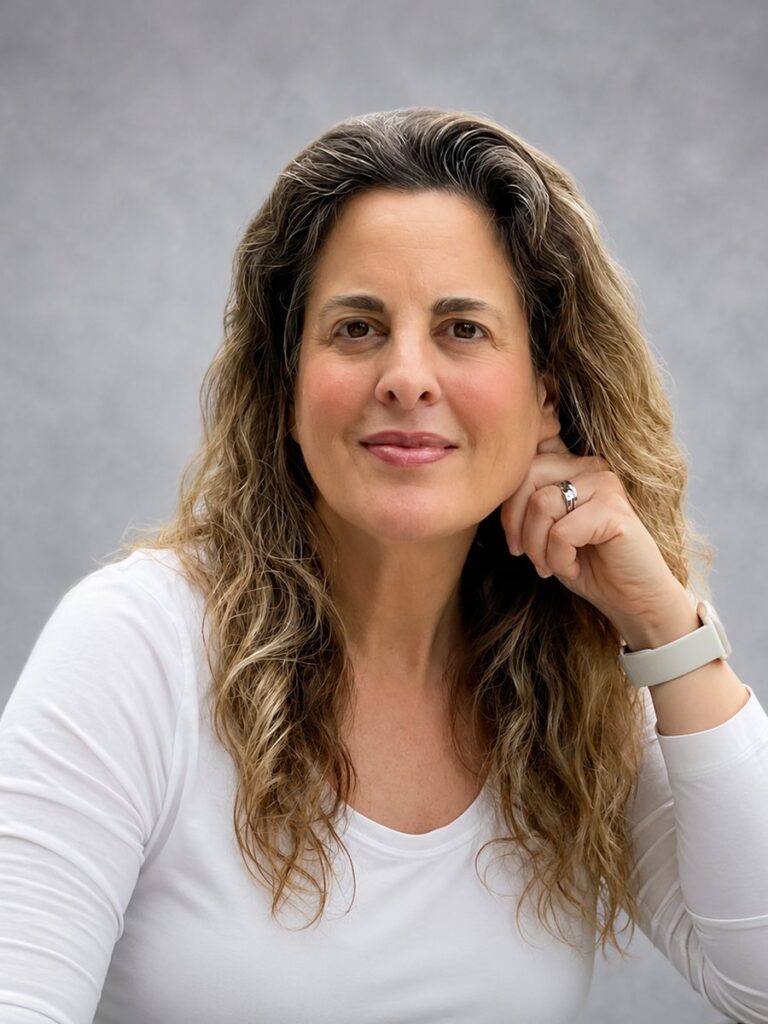
 Clinically reviewed by Beth Levy-Merlin, PhD, MSW, LCSW, partner and co-founder of Roseland Psychotherapy Associates, in practice since 2001. Meet the team.

Why couples look for marriage therapy near Wayne
People rarely arrive because of a single fight. More often a pattern has hardened, and the old ways of fixing it have stopped working. These are the situations we hear about most:
- Old resentment: injuries that were never repaired, only filed away
- An emptier house: the children have grown up and a marriage organized around them is suddenly exposed
- A rupture: a betrayal, a discovered secret or a stretch of absence that one partner cannot get past
- Diverging lives: retirement, faith, health or ambition pulling in different directions after years of agreement
- An unspoken question: whether to stay married at all
Any one of these is a reasonable reason to call. You do not have to know which one describes you, and you do not both have to feel equally ready. Plenty of couples begin with one partner hopeful and the other unsure.
When a betrayal sits at the center, our infidelity therapy page for Wayne explains how affair recovery is staged and paced.
Some couples recognize two or three of these at once. That is common, and a clinician can help you sort which concern to take up first so the work does not feel scattered.
Repair matters more than avoiding conflict
Long marriages tend to fail from a shortage of repair more than a shortage of love. Every couple has ruptures. The marriages that grow closer over time are the ones where a rupture gets followed by an actual repair.
Therapy slows the repair down enough for it to work. The injured spouse says the whole of it. The other spouse listens without arguing back. The hurt gets named at its true weight, without being waved off or turned into a prosecution. Repeated again and again, small repairs like this are how trust comes back after years of distance.
This is slower than most couples expect, and it can feel strange to hear a partner out when you would rather defend yourself. Your clinician helps you both stay with it. The aim is not to decide who was right. It is to leave each conversation with the sense that you were heard.
Roseland Psychotherapy Associates has 15 licensed clinicians, and several see married couples. Julie Potischman, PhD, LPC, NCC, CST, a partner and co-founder of the practice, is one of them, and the office can suggest the person whose style is likely to suit the two of you.
Repair also reaches the small, daily moments. A dismissive remark at breakfast or a forgotten anniversary can carry decades of weight, and learning to address them quickly keeps new hurts from stacking on old ones.
When one or both of you is unsure about staying
Sometimes a spouse has half-decided to leave before the first session. Others arrive wanting different things, with one spouse hoping to save the marriage and the other quietly finished. Standard marriage counseling assumes both people want to stay, and at this point that assumption can do harm.
Discernment-style work was designed for exactly this. It is short and structured, and its goal is a clear decision you reach together, not a repaired marriage by default. The options are to recommit to the work, to separate on purpose, or to hold steady while you gain clarity.
A clear answer in either direction is better than years of ambivalence. Nobody on the team steers you toward either outcome. That decision belongs to the two of you.
If children are involved, a deliberate ending also matters. Couples who decide to part can use sessions to do it without lasting damage, and families sometimes continue with our couples and family therapy in Wayne afterward to help the household settle.
Choosing to separate is not a failure of the work. Couples who reach that conclusion carefully often describe the process as the first honest conversation they had in years, and they part with far less bitterness than they feared.
How sessions are structured
The first meeting is usually a shared look back, covering how the two of you got together, the years since, and the point where each of you feels the marriage shifted. Early on, each spouse also gets time alone with the clinician, because long marriages hold things that have never been said anywhere else.
After that, joint sessions run 45 to 60 minutes, usually once a week. The focus is the pattern happening now, not retrying old cases. Partway through, you and your clinician review honestly what has changed, what has not, and whether your goals still fit.
If the strain centers on a specific injury or on physical intimacy, the practice can bring in specialists from within the team, including clinicians experienced in affair recovery and an AASECT-certified sex therapist. That way the work stays inside one practice.
You do not need a referral to begin. Call (973) 226-1505 or use the appointment request form, tell the office a little about what is going on, and they will match you with a clinician who fits.
Between visits, your clinician may suggest small practices, such as a weekly check-in or a pause rule for heated moments. These are chosen with you and designed to fit the life you already have, not to add one more chore to the week.
Getting from Wayne to Roseland, or staying home
Our office is about 23 minutes and 13 miles from Wayne. Drivers commonly use routes such as County Road 611, County Road 613, US 46 and NJ 23, and County Road 670 is another way in. Expect a first-floor suite, number 103 at 425 Eagle Rock Avenue in Roseland, where parking is free beside and in front of the building and the lot and walkways accommodate wheelchairs.
Wayne is a township of about 54,800 people in Passaic County, and a bedroom suburb of New York City as well as a regional commercial hub for North Jersey. For couples with jobs, commutes and schedules to match, evening and weekend appointments are offered by scheduling. We also see clients from nearby towns such as Haledon, Totowa, Pequannock, Lincoln Park and Prospect Park.
If getting two calendars and one car to the same place is the hard part, marriage therapy near Wayne can happen entirely by secure video. You can each join from a separate room at home, or one of you can call in from work. Many couples mix in-person and video sessions week to week.
The office can check your insurance coverage when you call, and you do not need a referral.
Neighbors of Wayne, such as Little Falls, North Haledon and Pompton Lakes, are within the area our clinicians serve by video as well.

Further reading: American Association for Marriage and Family Therapy.
Who you'd see
Clinicians who treat Couples Counseling and Relationship issues

Marriage therapy for Wayne: getting here
Usual route: Eagle Rock Avenue (CR 611), CR 613, US-46, NJ-23.
Roseland Psychotherapy Associates
425 Eagle Rock Avenue, Suite 103
Roseland, NJ 07068 · (973) 226-1505 · Open in Maps
Nearby towns we also serve
How to get started
Call or request a time
Call (973) 226-1505 or use the appointment form. Our office answers questions and can check your insurance coverage.
We match you
Tell us what is going on and when you are free. We pair you with the licensed clinician on our team who fits your concern and schedule.
Start in person or by video
Meet at 425 Eagle Rock Avenue with free parking, or log in from home in Wayne. You can switch between the two as life changes.
Marriage therapy in Wayne: questions
Still unsure? Call (973) 226-1505 and ask us directly.
Is there marriage therapy near Wayne, NJ?
Yes. Roseland Psychotherapy Associates is about 23 minutes from Wayne in Roseland, with licensed clinicians who see married couples in person or by secure video. Phone (973) 226-1505, and the front desk will find you a good fit among the clinicians. No referral is needed, and you can request an appointment on our contact page.
Can my spouse and I do marriage therapy by video from Wayne?
Yes. Secure video is available anywhere in New Jersey, and couples can join from the same room or from two different places. It works well when schedules clash. Some couples begin in our Roseland office and move to video later, and others alternate, so you can change the format whenever it suits you.
How long does marriage therapy take?
It varies. Sessions run 45 to 60 minutes, usually weekly, and your clinician reviews progress with you at a midpoint to see what has changed and whether the goals still fit. Long-standing patterns take longer to shift than a recent rough patch. You decide together with your clinician when you have done enough.
What if only one of us wants to go?
Many couples begin that way. One partner can call first, and the office will explain how a first session works. Some clinicians offer individual time early in treatment, so a hesitant spouse is not put on the spot. Ambivalence is common, and discernment-style work exists for couples who are not sure they want to stay.
Is marriage therapy different from couples counseling?
The skills overlap, but marriage therapy gives weight to years of shared history, such as resentment that has built up, children leaving home or a long-ago betrayal. Couples at any stage are welcome here. If you are not sure which label fits, call and describe your situation, and the office will point you to the right clinician.
Does insurance cover marriage therapy?
Coverage depends on your plan and on how the sessions are billed. Call (973) 226-1505 with your plan details and the office will check your coverage before your first appointment. You do not need a referral to book, and nobody will ask you to decide anything about the marriage before you walk in.
Call or text (973) 226-1505
We'd love to hear from you. Tell us a little about what's going on and we'll match you with the therapist who fits you best, and check your insurance while we're at it. If you already know who you'd like to see, we'll book you with them. No referral needed. Press 0 for scheduling.
Weekday, evening and weekend appointments. Most major insurance accepted.