
Service areas / Bloomfield / Anxiety therapy
Anxiety therapist in Bloomfield, NJ
Anxiety is the body's alarm going off when there is no emergency. Roseland Psychotherapy Associates treats it with evidence-based methods, and an anxiety therapist in Bloomfield can reach us at our Roseland office, about 17 minutes away, or by secure video.
About 17 minutes from Bloomfield to our Roseland office. Secure video anywhere in New Jersey. No referral needed.
Quick answer
Who treats anxiety near you? An anxiety therapist in Bloomfield is available here. Roseland Psychotherapy Associates, at 425 Eagle Rock Avenue in Roseland, is about 17 minutes (6.7 miles) from the township. Licensed clinicians treat generalized anxiety, panic, social anxiety and phobias with CBT, in person or by secure video. No referral is needed. Call (973) 226-1505.
Choosing an anxiety therapist in Bloomfield by the kind of anxiety
Nerves before a flight or an interview are universal. An anxiety disorder is something else. With a disorder, the alarm sounds without a threat, keeps sounding once the moment is over, and begins steering your choices, from the roads you take to the invitations you accept to the emails you manage to open.
Naming the pattern helps, because treatment differs by type. An anxiety therapist in Bloomfield or anywhere else will usually begin by working out which of these fits best.
- Generalized anxiety: ongoing worry that hops between health, money, family and work, along with tension, restlessness and bad sleep. The worry feels useful. It usually is not.
- Panic disorder: abrupt surges of a pounding heart, breathlessness and dizziness, accompanied by a conviction that the body is failing. The bigger problem is often fear of the next attack.
- Social anxiety: an intense dread of judgment or humiliation that people often write off as shyness.
- Specific phobias: driving, flying, needles, vomiting, animals, heights. They are narrow fears, but they can have large effects.
You do not need to arrive with a label. The first session is an evaluation, and naming the pattern is part of the job.
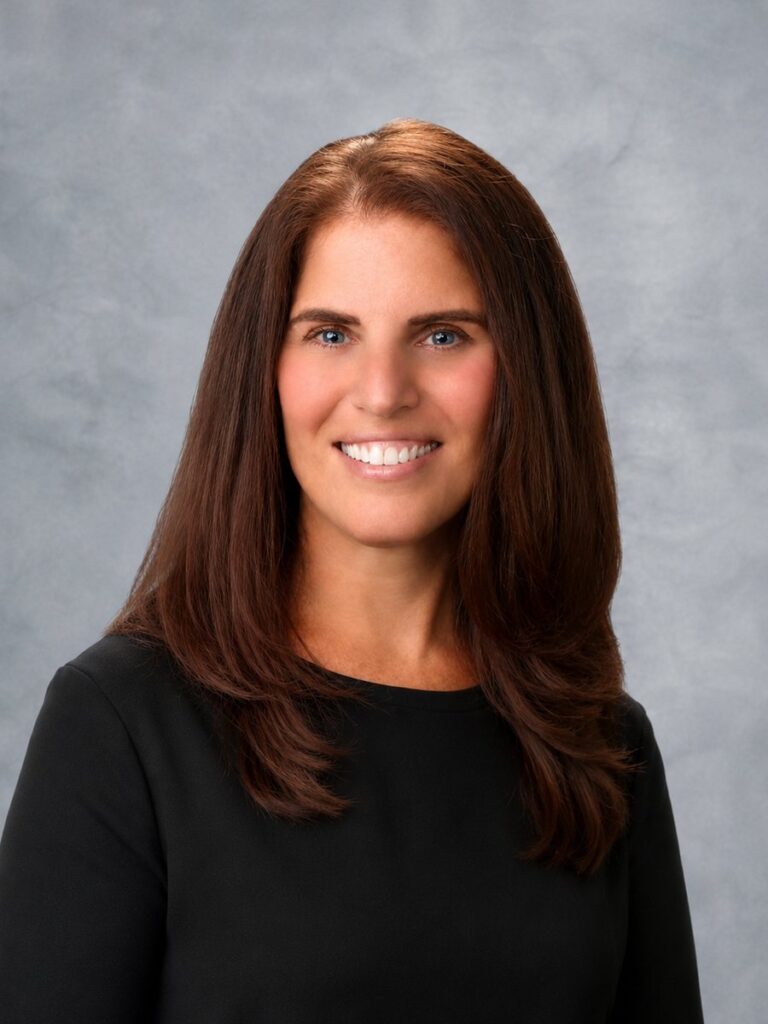
 Clinically reviewed by Beth Levy-Merlin, PhD, MSW, LCSW, partner and co-founder of Roseland Psychotherapy Associates, in practice since 2001. Meet the team.
Why anxiety feels so physical
Think of a pounding pulse, chest tightness, a churning stomach, tingling fingers or a lump in the throat. Anxiety is felt throughout the body since the body as a whole takes part in the threat response. A lot of our clients arrive after a heart workup or an ER visit turned up no problem.
Normal test results do not mean there is nothing to address. More often the trouble lies in the alarm system, which is something therapy can treat.
At the start of therapy, your clinician walks you through what your body is doing and the reason. That understanding by itself takes some of the fear out of the sensations for many people. A pounding pulse stops being a sign of disaster and becomes a signal you can learn to read.
This does not replace medical care. If a symptom is new, severe or worrying, a physician should check it, and we encourage that. Therapy takes over where the exam leaves off, working on the fear of the sensation and the habits that grew up around it.
Sleep, caffeine and stress load all affect how loud the alarm is, so your clinician may ask about them. The questions are practical, not a lecture, and the answers help shape the plan.
How treatment works
Anxiety treatment centers on moving toward the feared thing, not away from it. It is avoidance that converts a fright into a disorder. Every highway drive you skip and every invitation you turn down tells the brain the situation was dangerous and you barely escaped. Therapy reverses that lesson.
Cognitive behavioral therapy trains you to catch the forecasts anxiety offers, such as fainting, being laughed at, or being unable to cope. Next you put them to the test in real settings, gradually and only with your consent, and discover they did not come true. Our CBT page for Bloomfield describes that process in more detail.
For panic, this includes interoceptive work, bringing on the feared sensations in session until a racing heart is only a racing heart. With social anxiety, the task is to let go of safety behaviors that quietly sustain the fear, among them over-rehearsing, looking away from people or having a drink first. For phobias, gradual exposure resolves many cases in fewer sessions than people expect.
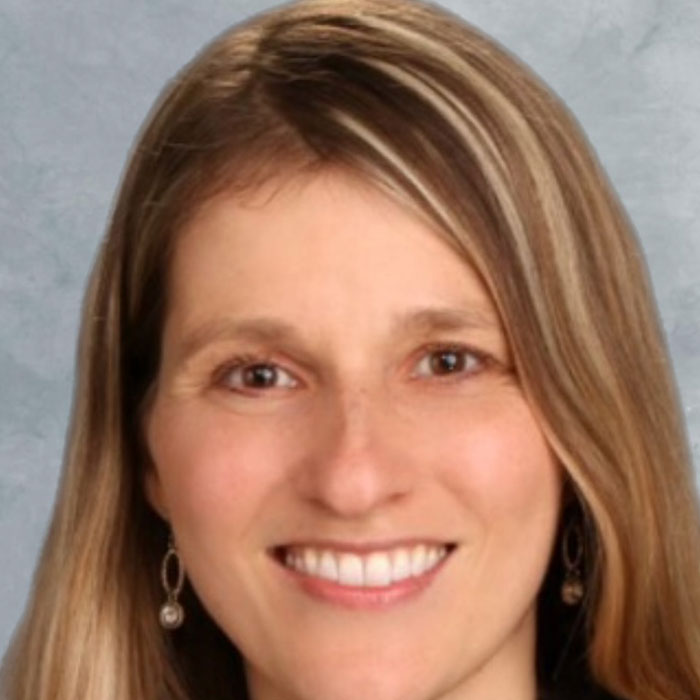
Acceptance-based methods and relaxation and breathing training also have a place in treatment when they suit the person. The plan is built around the person, not the diagnosis. Anxiety therapists on the team include Beth Levy-Merlin, PhD, MSW, LCSW and Carol Tudor, LPC.
Anxious children and teenagers
In young people, anxiety frequently hides behind other signs, including morning stomachaches before school, tears at drop-off, perfectionism with homework, or bedtime rituals that depend on reassurance and still fall short.
Children and adolescents are treated with age-appropriate methods, and parents take part in the plan. A family's reaction to a child's worry carries real weight. Comfort helps. Bending the household's routines to fit the fear usually strengthens it.
A typical plan teaches the child a name for the feeling, a few calming skills and a graded way to face what they have been dodging, while parents learn how to support the effort without taking over. Our child and teen therapy page for Bloomfield covers how we work with younger clients and what stays private.
Sometimes what looks like anxiety turns out to include rituals, and in that case our OCD specialist page for Bloomfield explains the difference.
If you are not sure whether what you see is ordinary worry, call and describe it. The office will say honestly whether an evaluation is a good idea, and who on the team could see your child.
When anxiety is running your schedule
The first session is an evaluation. Together we identify the pattern and settle on a plan. Nothing difficult is expected of you in the first session.
Sessions run 45 to 60 minutes, usually weekly. Between visits you practice what you have learned, and the pace is set with you, not for you.
Secure video has a real advantage for anxiety. Exposure can be practiced right where the fear lives, for instance behind the wheel, at the kitchen counter or in the home office before a presentation. It also helps people for whom fear of leaving home is exactly what blocks them from getting care. Roseland Psychotherapy Associates offers it anywhere in New Jersey, and many clients mix office and video visits.
Roseland Psychotherapy Associates does not prescribe medication. If medication is worth considering, we coordinate with local psychiatric professionals and provide referrals, and therapy continues alongside.
The main anxiety therapy page has the practice-wide overview. If anxiety is paired with low mood, see our depression and anxiety therapy page for Bloomfield, or request an appointment on the contact page.
From Bloomfield to our Roseland office
The office is about 17 minutes and 6.7 miles from Bloomfield, at 425 Eagle Rock Avenue, Suite 103, in Roseland. We are not in Bloomfield. Drivers commonly use County Road 611, County Road 527, Interstate 280 or Glenwood Avenue. The township borders Belleville, East Orange, Glen Ridge, Montclair, Newark and Nutley, and we see clients from nearby towns too.
For some people, the drive itself is part of the problem. If highways or unfamiliar roads set off the alarm, an anxiety therapist in Bloomfield can start with secure video, working from home with no drive at all. You can move to office visits later, as a planned exposure, or never. Both are reasonable.
Bloomfield had 53,105 residents in 2020 and is an inner-ring suburb of Newark. Weekday, evening and weekend appointments are available by scheduling.
The office is on the ground floor, with free parking in front and on the side and accessible parking and walkways. Call (973) 226-1505. No referral is needed, and the office can check your insurance coverage when you call.

Further reading: Anxiety and Depression Association of America.
Who you'd see
Clinicians who treat Anxiety

Anxiety therapy for Bloomfield: getting here
Usual route: Eagle Rock Avenue (CR 611), CR 527, I-280, Glenwood Avenue.
Roseland Psychotherapy Associates
425 Eagle Rock Avenue, Suite 103
Roseland, NJ 07068 · (973) 226-1505 · Open in Maps
Nearby towns we also serve
How to get started
Call or request a time
Call (973) 226-1505 or use the appointment form. Our office answers questions and can check your insurance coverage.
We match you
Tell us what is going on and when you are free. We pair you with the licensed clinician on our team who fits your concern and schedule.
Start in person or by video
Meet at 425 Eagle Rock Avenue with free parking, or log in from home in Bloomfield. You can switch between the two as life changes.
Anxiety therapy in Bloomfield: questions
Still unsure? Call (973) 226-1505 and ask us directly.
Is there an anxiety therapist near Bloomfield?
Yes. Roseland Psychotherapy Associates is about 17 minutes from Bloomfield, in Roseland. Licensed clinicians handle generalized anxiety along with panic, social anxiety and phobias, either at the ground-floor office or by secure video. Ring (973) 226-1505 and a staff member will pair you with a clinician.
Can I see an anxiety therapist by video from Bloomfield?
Yes. Secure video is available anywhere in New Jersey. It can be especially useful for anxiety, because exposure practice can happen where the fear occurs. Some clients start by video and visit the office later, and others mix the two.
How do I know if it is an anxiety disorder?
Ask whether the worry or fear is out of proportion, hard to switch off, and starting to shape your choices. You do not need to decide alone. The first session is an evaluation, and your clinician will name the pattern and agree on a plan with you.
Will I be pushed to face my fears right away?
No. Nothing difficult is expected of you in the first session. Exposure is graded, starts with manageable steps, and is only done with your agreement. You and your clinician set the pace together, and the plan changes as you go.
How long does anxiety treatment take?
It depends on the type and how long it has been present. Sessions run 45 to 60 minutes, usually weekly. Phobias often respond in fewer sessions than people expect, while generalized anxiety may take longer. Your clinician reviews progress with you regularly.
Does insurance cover anxiety therapy?
Coverage depends on your plan. Call (973) 226-1505 with your plan details and the office will check your coverage before your first appointment. You do not need a referral to book, and you can ask about scheduling and which clinician fits on the same call.
Call or text (973) 226-1505
We'd love to hear from you. Tell us a little about what's going on and we'll match you with the therapist who fits you best, and check your insurance while we're at it. If you already know who you'd like to see, we'll book you with them. No referral needed. Press 0 for scheduling.
Weekday, evening and weekend appointments. Most major insurance accepted.