
Service areas / West Orange / Anxiety therapy
Anxiety therapist in West Orange, NJ
When your body's alarm keeps going off without an emergency, treatment can turn it down. Roseland Psychotherapy Associates has an anxiety therapist for West Orange clients at our Roseland office, about 8 minutes away, and by secure video from home.
About 8 minutes from West Orange to our Roseland office. Secure video anywhere in New Jersey. No referral needed.
Quick answer
Looking for an anxiety therapist in West Orange? Roseland Psychotherapy Associates, at 425 Eagle Rock Avenue in Roseland, is about 8 minutes (3.6 miles) away. Licensed clinicians treat generalized anxiety, panic, social anxiety and phobias with CBT and exposure, in person or by secure video. No referral is needed. Call (973) 226-1505 and the office will match you.
Finding an anxiety therapist in West Orange who treats the pattern, not just the worry
Nerves before a flight or an interview are part of ordinary life. An anxiety disorder is something else. In an anxiety disorder the alarm sounds with no emergency in sight, rings on long after the moment is over, and begins deciding for you, from the routes you drive to the invitations you take and the emails you are willing to open.
Identifying the pattern in play matters, since the approach varies with the type. A first-session evaluation does that. Your clinician asks what you notice, when it began and what you have been avoiding, and then you agree on a plan. Nothing difficult is expected of you in the first session.
Many people spend years assuming this is just how they are. It is not a character flaw, and it responds well to structured treatment. Starting sooner usually means fewer sessions, but there is no age or length of history that makes it too late.
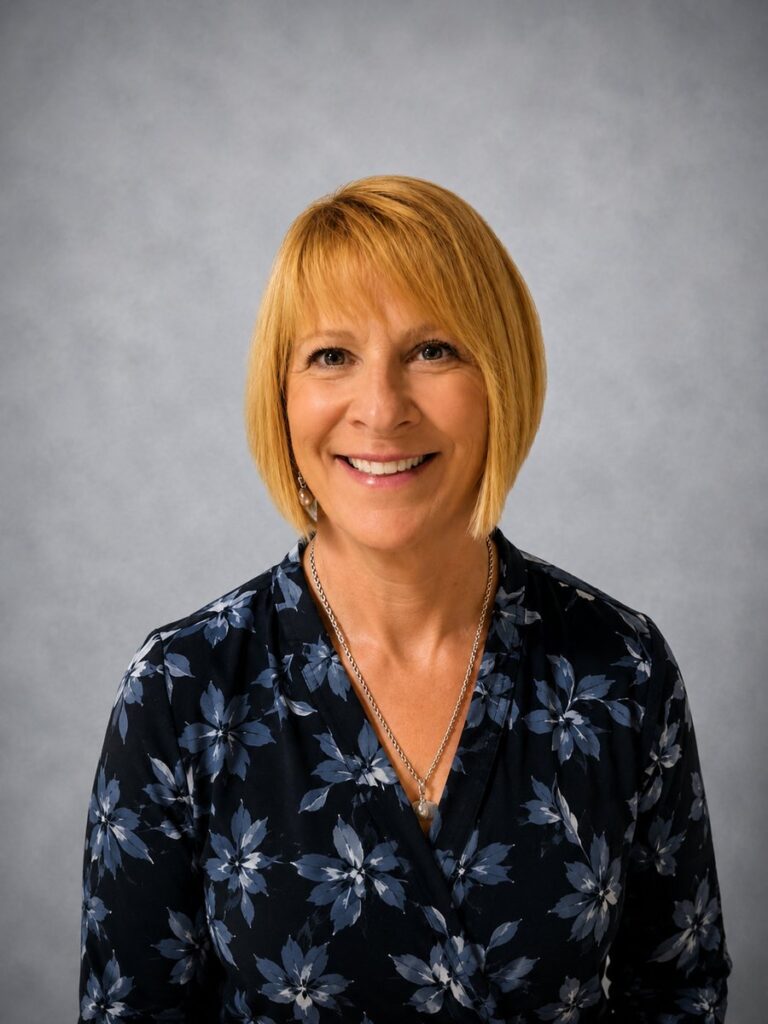
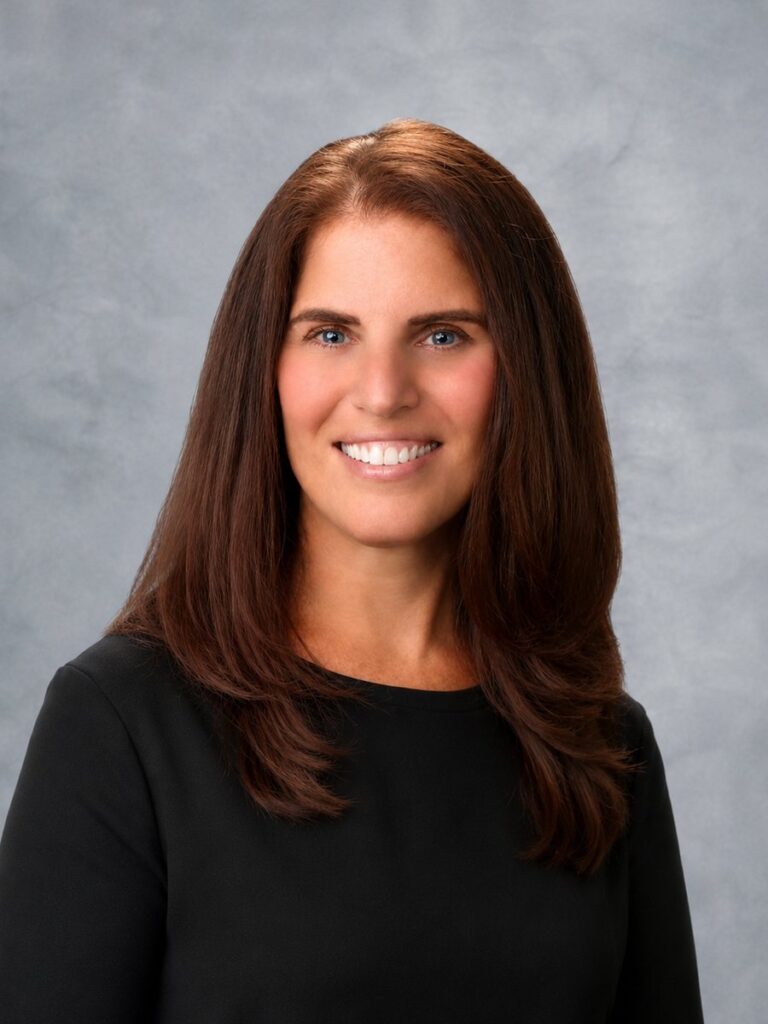
The practice matches you with a licensed clinician for anxiety. Beth Levy-Merlin, PhD, MSW, LCSW, Carol Tudor, LPC, and Peter Lawson, MA, LPC, are among the clinicians who treat it. If you are looking for an anxiety therapist in West Orange, the office will talk through your concern and suggest a good fit.
 Clinically reviewed by Julie Potischman, PhD, LPC, NCC, CST, partner and co-founder of Roseland Psychotherapy Associates and an AASECT-certified sex therapist. Meet the team.
The main patterns we treat
Anxiety comes in several forms, and each calls for a slightly different approach.
- Generalized anxiety: unrelenting worry that hops among health, money, family and work, with tension, restlessness and broken sleep. The worry feels useful. It usually is not.
- Panic disorder: abrupt surges of pounding heart, breathlessness, dizziness and a conviction that something is physically wrong. The bigger problem is often fear of the next attack, and how much of life gets cut back to avoid one.
- Social anxiety: intense dread of being evaluated, observed or humiliated. It is often mistaken for shyness. Many people do fine in the moment, then pay with hours of rehearsing beforehand and replaying afterward.
- Specific phobias: driving, flying, needles, vomiting, animals, heights. These fears are narrow, but they can have large effects. Fear of needles alone can keep a person from seeing a doctor for ten years.
If your worry has a ritual attached, such as checking or repeating something to cancel a thought, our OCD page for West Orange explains how that differs from general anxiety.
Patterns often overlap, and having more than one is common. Your clinician will help you sort out which one is driving most of the trouble, and treatment starts there. Sorting it out early saves effort later, because the right approach for panic is not the right approach for a phobia.
Why anxiety feels so physical
A pounding pulse, a tight chest, a queasy stomach, tingling fingers, a lump in the throat. The whole body takes part because the threat response is a whole-body event. Plenty of clients first show up once a heart workup or an ER visit has found nothing wrong.
Normal test results do not mean nothing is going on. More often the alarm system is what needs attention, and that is treatable. Anyone with new or unexplained physical symptoms should check with a physician first. Once medical causes are ruled out, panic in particular responds very well to structured therapy, and panic attacks, while frightening, are not medically dangerous.
At the outset, your clinician walks you through what your body is doing and the reason for it. For many people, understanding that alone makes the sensations less frightening. A pounding heart becomes a signal to read, not a verdict to obey.
Sleep, caffeine and stress levels all affect how loud the alarm is, so your clinician may ask about daily habits as well. These are not blame or a checklist. They are part of the picture, and small changes can lower the baseline. Our depression and anxiety therapy page for West Orange covers what to do when low mood has joined the worry.
How treatment works: approaching instead of avoiding
Treatment for anxiety centers on moving toward the thing you fear rather than away from it. It is avoidance that converts a scare into a disorder. Every highway drive you skip or invitation you refuse tells the brain the situation was dangerous and that you escaped. Therapy reverses that lesson.
CBT trains you to catch what anxiety forecasts, such as a fainting spell, ridicule from others, or being unable to cope. Next you put those forecasts to the test in real settings, gradually and only with your consent, and see that they were mistaken. Our CBT page for West Orange describes the method.
With panic, the work includes safely provoking the dreaded sensations during a session until a pounding heart is only a pounding heart. With social anxiety, it involves giving up the safety habits that quietly sustain the fear, including rehearsing too much, avoiding eye contact or drinking first. Phobias usually respond to gradual exposure in fewer visits than people anticipate.
Acceptance-based methods and relaxation and breathing training also have a place in our clinicians' toolkit when they suit the client. The plan is tailored to the individual, not the label. Sessions run 45 to 60 minutes, usually weekly, and we review progress with you as we go.
Anxious children and teens, and medication questions
In young people anxiety frequently hides behind other behavior, such as stomachaches before school, tears at drop-off, perfectionism with homework, or a bedtime ritual of endless reassurance that never settles things. Children and adolescents are treated here with age-appropriate methods, and parents take a role in the plan.
The way a family reacts to a child's worry carries a lot of weight. Comfort helps. Reorganizing home life around the fear usually strengthens it. Our teen therapy page for West Orange describes how parents are coached alongside the child.
Many adults ask whether therapy alone is enough. Often, yes. Therapy alone works for many anxiety conditions. Roseland Psychotherapy Associates does not prescribe, but if medication is worth looking into, the practice provides referrals and coordinates with local psychiatric professionals, and therapy continues alongside it.
Duration depends on the type of anxiety and the length of its history. Specific phobias commonly lift within a few sessions. Generalized anxiety and panic usually take longer.
If you ever feel unsafe or are thinking about suicide, call or text 988, the Suicide and Crisis Lifeline, or go to the nearest emergency room. Therapy appointments are not emergency care.
Starting from West Orange, in person or from home
West Orange is a township of about 48,843 people in Essex County, an inner-ring suburb of Newark and a commuter suburb of New York City, so worry about the commute, the schedule and the pace of the week is easy to understand. Our Roseland office is about 8 minutes and 3.6 miles away, usually by County Road 611, and Roseland borders West Orange.
The office is at 425 Eagle Rock Avenue, Suite 103, on the first floor, with free parking at the front and side and wheelchair-accessible parking and walkways. Weekday, evening and weekend appointments are available by scheduling.
Secure video is available anywhere in New Jersey, and for anxiety it has a real advantage. Practice runs can take place in the setting that triggers the fear, whether that is the driver's seat, the kitchen or a home office ahead of a presentation. Video is also useful when dread of leaving home is itself what blocks someone from getting care. Many clients switch between office and video from week to week.
To start, call (973) 226-1505 or use the appointment request form. You do not need a referral, and the office can check your insurance coverage when you call.

Further reading: Anxiety and Depression Association of America.
Who you'd see
Clinicians who treat Anxiety


Anxiety therapy for West Orange: getting here
Usual route: Eagle Rock Avenue (CR 611).
Roseland Psychotherapy Associates
425 Eagle Rock Avenue, Suite 103
Roseland, NJ 07068 · (973) 226-1505 · Open in Maps
Nearby towns we also serve
How to get started
Call or request a time
Call (973) 226-1505 or use the appointment form. Our office answers questions and can check your insurance coverage.
We match you
Tell us what is going on and when you are free. We pair you with the licensed clinician on our team who fits your concern and schedule.
Start in person or by video
Meet at 425 Eagle Rock Avenue with free parking, or log in from home in West Orange. You can switch between the two as life changes.
Anxiety therapy in West Orange: questions
Still unsure? Call (973) 226-1505 and ask us directly.
Is there an anxiety therapist near West Orange?
Yes. Roseland Psychotherapy Associates is about 8 minutes from West Orange, in Roseland. Licensed clinicians treat generalized anxiety, panic, social anxiety and phobias, in the first-floor office or by secure video. Call (973) 226-1505 and the office will match you with a clinician and a first appointment time.
How do I know if my anxiety needs treatment?
Consider how much it interferes with your life. When worry or fear is dictating what you drive, decline, postpone or endure, or when it takes away your sleep and focus, treatment is worth pursuing. Call (973) 226-1505 for an evaluation.
Will I be forced to face my fears right away?
No. Exposure work is gradual and planned together, and it starts with situations that are uncomfortable but not overwhelming. Nothing happens without your agreement. The first sessions are for evaluation and skills, and exposure comes later, once you understand what it is for and feel ready to try it.
Are panic attacks dangerous?
A panic attack feels terrifying, yet it does not endanger you physically. Get new or unexplained physical symptoms looked at by your physician before anything else. Once medical causes are ruled out, panic responds very well to structured therapy, which includes learning to tolerate the sensations until they pass.
Can I see an anxiety therapist by video from West Orange?
Yes. Secure video is available anywhere in New Jersey, so you can join from home in West Orange. Video lets exposure practice happen where the fear shows up, and it helps when leaving the house is the hard part. Many clients mix video and office visits.
How many sessions will it take?
It varies with the kind of anxiety and its history. Specific phobias often improve in a handful of sessions, while generalized anxiety and panic usually take longer. Sessions run 45 to 60 minutes, usually weekly, and your clinician reviews progress with you as treatment moves along.
Call or text (973) 226-1505
We'd love to hear from you. Tell us a little about what's going on and we'll match you with the therapist who fits you best, and check your insurance while we're at it. If you already know who you'd like to see, we'll book you with them. No referral needed. Press 0 for scheduling.
Weekday, evening and weekend appointments. Most major insurance accepted.