
Service areas / East Orange / Anxiety therapy
Anxiety therapist in East Orange, NJ
Roseland Psychotherapy Associates treats generalized anxiety, panic, social anxiety and phobias. For an anxiety therapist in East Orange, our Roseland office is about 12 minutes away, and secure video sessions are available when the drive is the problem.
About 12 minutes from East Orange to our Roseland office. Secure video anywhere in New Jersey. No referral needed.
Quick answer
Looking for an anxiety therapist in East Orange? Roseland Psychotherapy Associates, at 425 Eagle Rock Avenue in Roseland, is about 12 minutes (8.1 miles) from the city. Licensed clinicians use CBT and gradual exposure, in person or by secure video anywhere in New Jersey. No referral is needed. Call (973) 226-1505 to be matched.
Everyday nerves versus an anxiety disorder
Nerves before boarding a plane or sitting down for an interview are universal. An anxiety disorder is something else. In an anxiety disorder the body's alarm sounds without an emergency, rings on after the moment ends, and begins steering your choices, from the roads you drive to the invitations you take to the emails you can face opening.
Identifying the pattern at work matters, since the treatment depends on the type. A good anxiety therapist in East Orange or anywhere else begins by working out what is happening before choosing tools.
The first session is an evaluation. We name the pattern and agree on a plan, and you will not be asked to face anything hard on day one. If you are unsure whether what you feel needs treatment, look at how much it gets in the way. When worry or fear steers what you drive, turn down, put off or grit your teeth through, or costs you sleep and concentration, it is worth treating.
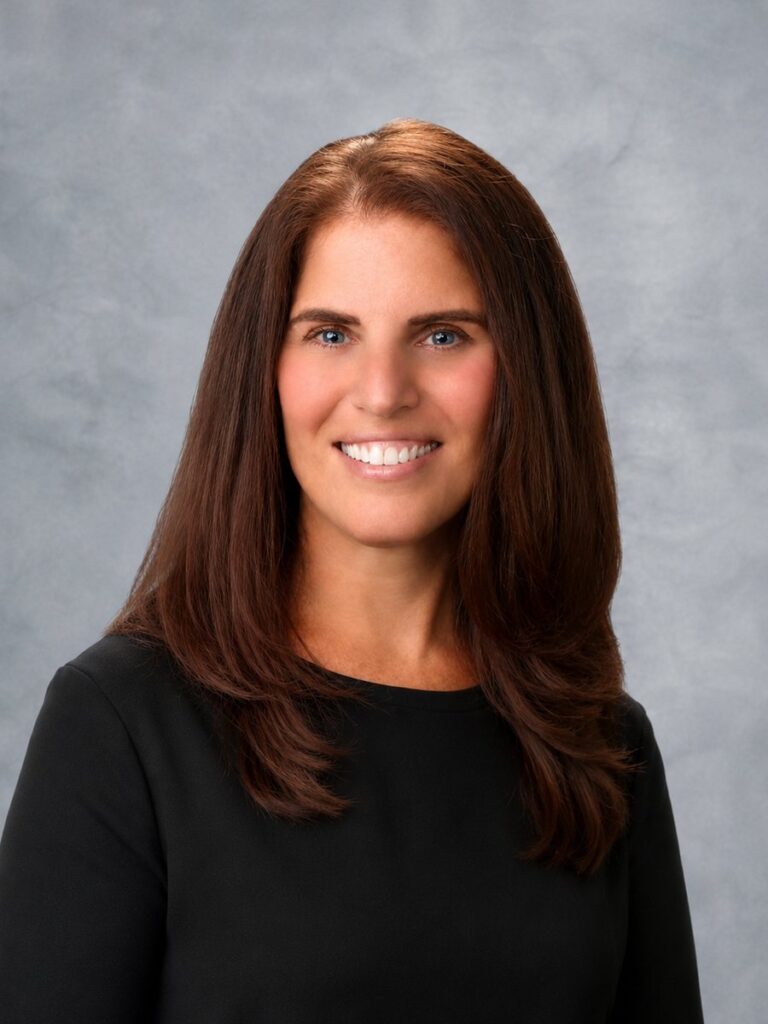
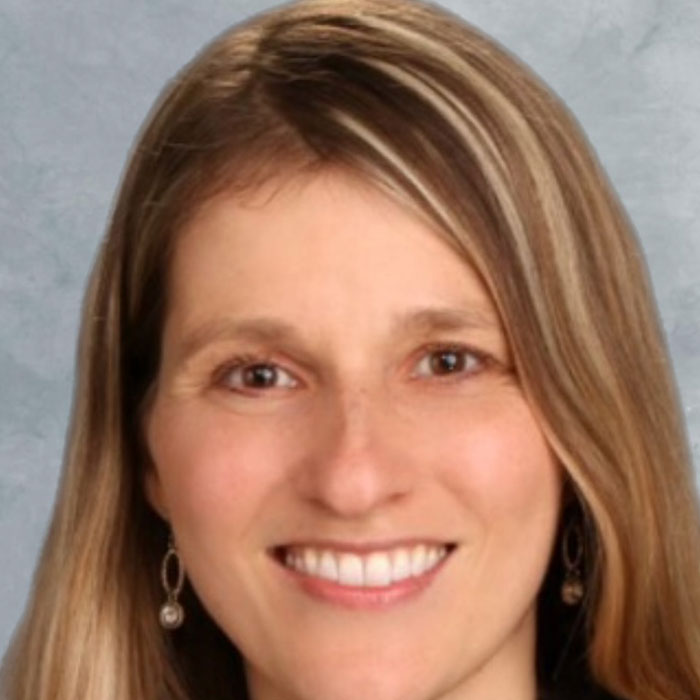
Clinicians who treat anxiety include Beth Levy-Merlin, PhD, MSW, LCSW and Eric Latzman, LCSW, and the office will match you with the one who fits.
 Clinically reviewed by Beth Levy-Merlin, PhD, MSW, LCSW, partner and co-founder of Roseland Psychotherapy Associates, in practice since 2001. Meet the team.
Patterns an anxiety therapist in East Orange treats
- Generalized anxiety: unrelenting worry that jumps among health, money, family and work, along with tension, restlessness and bad sleep. The worry feels useful. It usually is not.
- Panic disorder: abrupt surges of a hammering heart, breathlessness and dizziness, with a conviction that something is medically wrong. The bigger problem is often the fear of the next attack and how much of life gets cut back to avoid one.
- Social anxiety: intense dread of judgment, scrutiny or embarrassment, which people often write off as shyness. Many people do fine in the moment, then pay for it with hours of rehearsing beforehand and replaying afterward.
- Specific phobias: driving, flying, needles, vomiting, animals, heights. These fears are narrow but can have large effects. Fear of needles alone can keep a person from medical care for ten years.
When fear has attached itself to rituals and unwanted thoughts, the issue may be OCD, and our page on an OCD specialist in East Orange explains how that differs from general worry.
Knowing which pattern is yours changes the plan. Panic is treated differently from social anxiety, and a phobia often responds in fewer sessions than people expect.
Why anxiety feels so physical
A pounding pulse, a tight chest, a churning stomach, prickling hands, a throat that feels blocked. The whole body takes part in a threat response, which is why anxiety is felt everywhere. A good number of clients arrive after a heart workup or an ER visit turned up no problem.
A normal heart test does not mean there is nothing to treat. More often the trouble lies in the alarm system, and that can be treated.
Early in therapy, we explain what the body is doing and why. Simply understanding this takes the edge off the sensations for many people. Are panic attacks dangerous? The experience is intensely scary, yet it poses no medical danger. Start with your physician if the physical symptoms are new or unexplained. With medical causes excluded, structured therapy works very well for panic.
Sleep often suffers along with everything else. Lying awake running the same list of worries is common, and it tends to improve as the daytime pattern improves. Your clinician will ask about sleep at the start and track it as treatment goes on.
If low mood has crept in alongside the worry, our depression and anxiety therapist page for East Orange describes how both are treated together.
How treatment works: approaching what you avoid
At the heart of anxiety treatment is moving toward what frightens you in place of steering around it. Avoiding things is how a fright hardens into a disorder. Every highway drive you skip and every invitation you decline tells the brain the situation was dangerous and you got out in time. Therapy reverses that lesson.
CBT trains you to catch the forecasts anxiety makes, like fainting in public, being laughed at or being unable to cope. You then try them out in real situations, one step at a time and only when you agree, and discover they did not come true. Our CBT page for East Orange describes that method.
Panic treatment adds interoceptive exercises, in which feared sensations are safely stirred up during a session until a pounding heart is only a pounding heart. With social anxiety, the task is giving up the safety behaviors that quietly sustain the fear, like rehearsing too much, dodging eye contact or having a drink first. Step-by-step exposure clears most phobias in a shorter span than people anticipate.
Will you be forced to face your fears right away? No. Exposure is gradual and planned together, and the first sessions are for evaluation and skills. Where appropriate, acceptance-based methods and breathing and relaxation training are also part of what our clinicians offer.
Anxious children and teenagers
In younger people anxiety can pass for something else, like stomachaches before school, tears at drop-off, perfectionism about homework, or a bedtime that depends on reassurance which never quite settles them. Children and teens are treated by our clinicians with age-appropriate methods, and parents are included in the plan.
The way a household reacts to a child's worry carries a lot of weight. Comfort helps. Reorganizing family life to accommodate the fear usually strengthens it. Parents learn how to stay warm while holding steady, which is harder than it sounds and gets easier with coaching.
Parents in East Orange who are weighing whether a child's worry is typical can read about the signs on our child and teen therapy page for East Orange.
Roseland Psychotherapy Associates does not prescribe medication. When medication is worth considering for anxiety at any age, we coordinate with local psychiatric professionals and provide referrals, and therapy continues alongside. You can also read the main anxiety therapist page for the full overview.
From East Orange to the office, or to your own kitchen
Our Roseland office is about 12 minutes and 8.1 miles from East Orange, along County Road 611, County Road 527 or Interstate 280. The city includes Ampere and Brick Church, and Orange, Bloomfield, West Orange, South Orange and Glen Ridge are all within about three miles of it. The building is on the first floor at 425 Eagle Rock Avenue, Suite 103, with free parking at the front and side and wheelchair-accessible walkways.
For anxiety, video has a real advantage. Exposure work can take place in the setting where the fear occurs, whether that is the car, the kitchen or a home office ahead of a presentation. Video is useful too when dread of leaving home is exactly what has kept a person from getting help. An anxiety therapist in East Orange can reach you on a screen anywhere in New Jersey, and many clients switch between office and video from week to week.
Appointments are offered on weekdays, evenings and weekends by scheduling. Call (973) 226-1505 or use the appointment request form. No referral is needed, and the office can check your insurance coverage when you call.

Further reading: Anxiety and Depression Association of America.
Who you'd see
Clinicians who treat Anxiety


Anxiety therapy for East Orange: getting here
Usual route: Eagle Rock Avenue (CR 611), CR 527, I-280.
Roseland Psychotherapy Associates
425 Eagle Rock Avenue, Suite 103
Roseland, NJ 07068 · (973) 226-1505 · Open in Maps
Nearby towns we also serve
How to get started
Call or request a time
Call (973) 226-1505 or use the appointment form. Our office answers questions and can check your insurance coverage.
We match you
Tell us what is going on and when you are free. We pair you with the licensed clinician on our team who fits your concern and schedule.
Start in person or by video
Meet at 425 Eagle Rock Avenue with free parking, or log in from home in East Orange. You can switch between the two as life changes.
Anxiety therapy in East Orange: questions
Still unsure? Call (973) 226-1505 and ask us directly.
Is there an anxiety therapist near East Orange?
Yes. Roseland Psychotherapy Associates is about 12 minutes from East Orange in Roseland. Licensed clinicians treat generalized anxiety, panic, social anxiety and phobias, in the first-floor office or by secure video. Phone (973) 226-1505, and staff will pair you with a clinician who suits your needs.
How do I know if my anxiety needs treatment?
Consider how far it interferes with daily life. If worry or fear steers what you drive, turn down or put off, or costs you sleep and concentration, it is worth treating. An evaluation will name the pattern, so you do not need to know before you call.
Will I be forced to face my fears right away?
No. Exposure work is gradual and planned together. It starts with situations that are uncomfortable, not overwhelming, and nothing happens without your agreement. The first sessions are for evaluation and skills, and exposure comes later at a pace you help set.
Are panic attacks dangerous?
A panic attack feels terrifying, though it is not a medical hazard. Start with your physician if the physical symptoms are new or unexplained. Once medical causes are ruled out, panic responds well to structured therapy that teaches you what the body is doing and why.
Can I see an anxiety therapist by video from East Orange?
Yes. Secure video is available anywhere in New Jersey, and it lets exposure practice happen where the fear shows up. It also helps if leaving home is the hard part. Many clients combine video with visits to our Roseland office as their week changes.
Does insurance cover anxiety therapy?
Coverage depends on your plan. Call (973) 226-1505 with your plan details and the office will check your coverage before your first appointment. You do not need a referral to book, and you do not have to know your diagnosis before you call.
Call or text (973) 226-1505
We'd love to hear from you. Tell us a little about what's going on and we'll match you with the therapist who fits you best, and check your insurance while we're at it. If you already know who you'd like to see, we'll book you with them. No referral needed. Press 0 for scheduling.
Weekday, evening and weekend appointments. Most major insurance accepted.