
Service areas / Chatham / Anxiety therapy
Anxiety therapist in Chatham, NJ
Roseland Psychotherapy Associates has licensed clinicians who treat generalized anxiety, panic, social anxiety and phobias. For an anxiety therapist in Chatham, you can reach our Roseland office in roughly 17 minutes, or skip the drive and use secure video from home.
About 17 minutes from Chatham to our Roseland office. Secure video anywhere in New Jersey. No referral needed.
Quick answer
Looking for an anxiety therapist in Chatham? Roseland Psychotherapy Associates, at 425 Eagle Rock Avenue in Roseland, is about 17 minutes (9 miles) from town. Licensed clinicians treat anxiety with CBT and exposure-based methods, in person or by secure video anywhere in New Jersey. No referral is needed. Call (973) 226-1505.
What an anxiety therapist in Chatham treats
Nerves before a flight or a job interview are universal. An anxiety disorder is something else. With a disorder, the internal alarm sounds when nothing is wrong, refuses to quiet down once the moment is over and begins steering your choices, such as which roads you take, which invitations you accept and which emails you can face.
Identifying the specific pattern matters, since each type is treated differently. Someone looking for an anxiety therapist in Chatham may be dealing with any of the following.
- Generalized anxiety: constant worry that moves from health to money to family to work, with tension, restlessness and poor sleep
- Panic disorder: sudden waves of pounding heart, shortness of breath and dizziness, followed by fear of the next attack
- Social anxiety: strong fear of being judged or embarrassed, often mistaken for shyness
- Specific phobias: driving, flying, needles, vomiting, animals or heights
The worry in generalized anxiety feels useful. It usually is not. People with social anxiety often handle the event itself well, yet pay a price in the hours of rehearsal before it and mental replay after.
 Clinically reviewed by Beth Levy-Merlin, PhD, MSW, LCSW, partner and co-founder of Roseland Psychotherapy Associates, in practice since 2001. Meet the team.
Why anxiety feels so physical
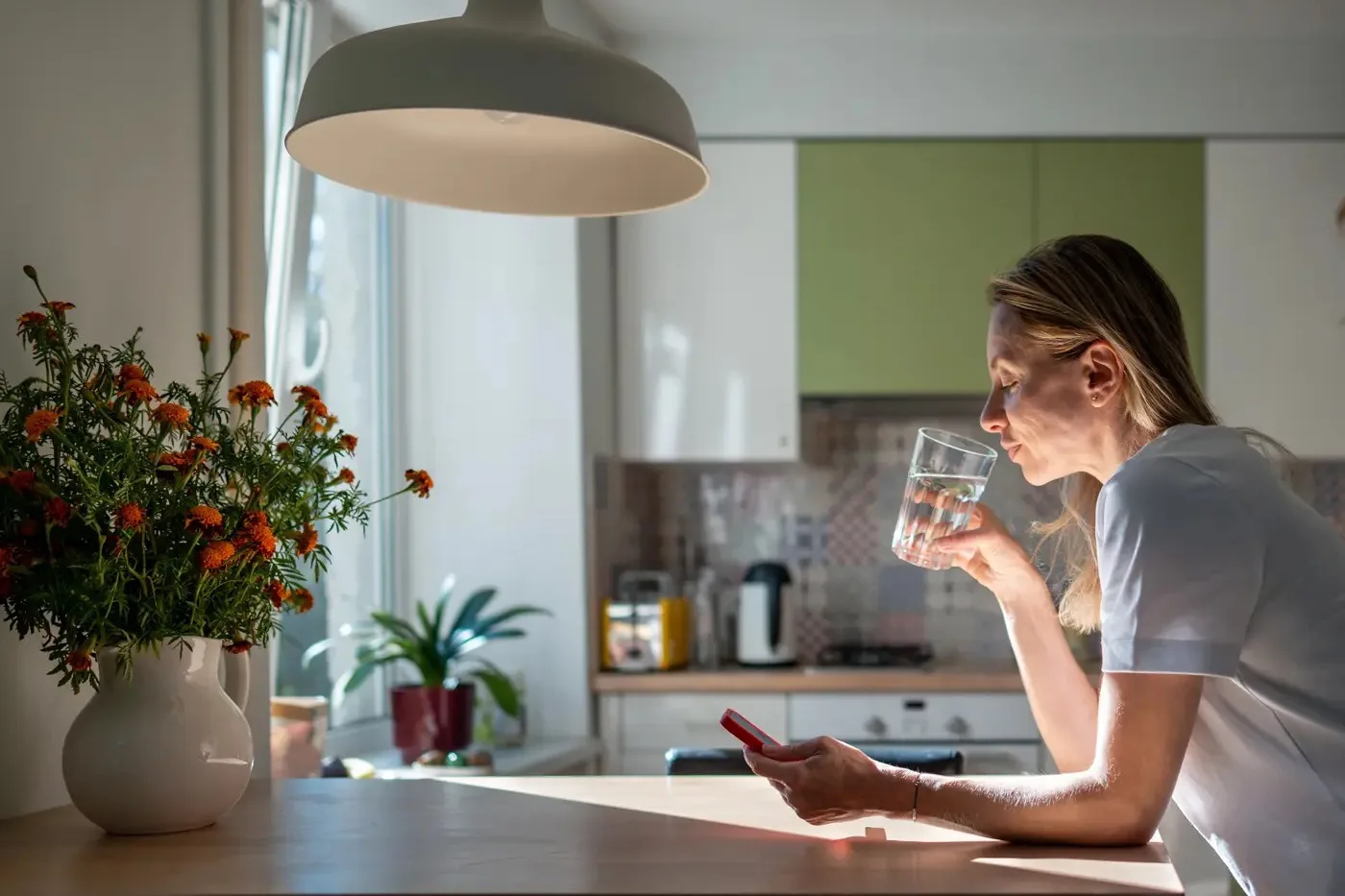
A racing heart, a tight chest, an upset stomach, tingling hands and a lump in the throat all come from the same place. The body as a whole reacts to anxiety because the threat response is a whole-body event. A common route into therapy is a cardiac workup or emergency room trip that turned up no medical problem.
A normal heart test does not settle the matter. More often the trouble lies with the alarm system, and that system responds to treatment. Panic attacks are very frightening but not medically dangerous. Check in with your physician before anything else if physical symptoms are new or unexplained. Once medical causes are ruled out, panic responds well to structured therapy.
Your clinician spends time early on describing what your body is doing and the reason for it. That understanding by itself takes some of the fear out of the sensations for many people.
The main anxiety therapy page offers more background, and the Anxiety and Depression Association of America publishes patient resources, linked at the bottom of this page.
How treatment works
Treatment for anxiety rests on moving toward the feared thing rather than steering clear of it. Dodging the fear is how a fright hardens into a disorder. Every highway drive you skip and every invitation you turn down convinces the brain the situation was dangerous and that you barely escaped. Therapy reverses that lesson.
CBT trains you to catch the forecasts anxiety offers (I will faint, they will laugh, I cannot handle it). You then put them to the test in real settings, one step at a time and only with your consent, and discover they did not come true. The CBT page for Chatham explains the method.
Panic treatment includes safely triggering the dreaded sensations during a session until a pounding heart is simply a pounding heart. Social anxiety work involves giving up the quiet crutches that prop the fear up, such as scripting every line or looking away. Phobias usually clear with step-by-step exposure, and often in less time than people anticipate.
Acceptance-based methods and relaxation or breathing training are also part of the toolkit when they suit the person. The plan is built around you.
The first session and how long it takes
The first session is an evaluation. You and your clinician talk about when the anxiety started, what sets it off, what you avoid and what you hope will change. Nothing is forced, and no one asks you to face a fear that day. By the end you should have a clear sense of the plan and what the next few sessions will focus on.
Session count varies with the type of anxiety and its history. A specific phobia can ease within just a few sessions. Generalized anxiety and panic usually take longer. Sessions run 45 to 60 minutes, usually weekly, and your clinician reviews progress with you as you go.
Two clinicians who see anxiety clients are Beth Levy-Merlin, PhD, MSW, LCSW and Peter Lawson, MA, LPC. When you call, we ask what the anxiety looks like for you, along with your schedule and whether you prefer in-person or video, then pair you with a licensed clinician. If the fit does not feel right after a few sessions, tell us and we will help you switch.
Medication, children and related worries
Therapy alone works for many anxiety conditions. Roseland Psychotherapy Associates does not prescribe, but if medication is worth looking into, we provide referrals and coordinate with local psychiatric professionals. You can read how that works on our page about finding the right psychiatrist.
In children and teens, anxiety frequently hides behind other behavior, such as stomachaches before school, tears at drop-off, perfectionism with homework or bedtime that depends on constant reassurance. Children and adolescents are treated with age-appropriate methods, and their parents take part in the plan. A family's reaction to a child's worry carries a lot of weight. Comfort helps. Bending the household's routines around the fear usually makes it stronger.
When worry comes with intrusive thoughts and rituals, the picture may be OCD instead, and our OCD specialist page for Chatham describes that treatment. If low mood is part of the picture, the depression and anxiety therapy page covers both.
Getting to Roseland from Chatham
The drive is about 17 minutes and 9 miles, along routes such as County Roads 611, 609 and 607. Madison sits 2.2 miles from Chatham and Short Hills 2.4, and nearby towns also include Green Village, Florham Park, Convent Station and Millburn. Our first-floor suite is located at 425 Eagle Rock Avenue, Suite 103, and visitors park free in front or at the side.
Chatham was settled in 1710 and now shares a school district, library and emergency squad with Chatham Township. We welcome clients from both, and weekday, evening and weekend appointments are available by scheduling.
For anxiety, video offers a practical edge, because exposure practice can take place right where the fear lives, whether that is the car, the kitchen or a home office before a presentation. It also removes a barrier for people whose fear of leaving home is what has kept them from getting help. Anywhere in New Jersey qualifies for secure video, and numerous clients alternate between the office and video as the weeks go by.
For an anxiety therapist in Chatham, call (973) 226-1505 or use the contact page. No referral is needed, and the office can check your insurance coverage when you call.

Further reading: Anxiety and Depression Association of America.
Who you'd see
Clinicians who treat Anxiety


Anxiety therapy for Chatham: getting here
Usual route: Eagle Rock Avenue (CR 611), CR 609, CR 607.
Roseland Psychotherapy Associates
425 Eagle Rock Avenue, Suite 103
Roseland, NJ 07068 · (973) 226-1505 · Open in Maps
How to get started
Call or request a time
Call (973) 226-1505 or use the appointment form. Our office answers questions and can check your insurance coverage.
We match you
Tell us what is going on and when you are free. We pair you with the licensed clinician on our team who fits your concern and schedule.
Start in person or by video
Meet at 425 Eagle Rock Avenue with free parking, or log in from home in Chatham. You can switch between the two as life changes.
Anxiety therapy in Chatham: questions
Still unsure? Call (973) 226-1505 and ask us directly.
Is there an anxiety therapist near Chatham?
Yes. Roseland Psychotherapy Associates is about 17 minutes from Chatham in Roseland, and licensed clinicians there treat panic, generalized anxiety, social anxiety and phobias. Appointments are held in the first-floor office or on secure video. Phone (973) 226-1505 and staff will connect you with a clinician.
How do I know if my anxiety needs treatment?
The best gauge is how much it interferes with your life. If worry or fear is steering what you drive, turn down or put off, or it is costing you sleep and concentration, it is worth treating. An evaluation will tell you more.
Will I be forced to face my fears right away?
No. Exposure work is gradual and planned together, starting with situations that are uncomfortable but not overwhelming. Nothing happens without your agreement, and the first sessions are for evaluation and skills.
Are panic attacks dangerous?
Panic attacks are frightening but not medically dangerous. Check in with your physician before anything else if physical symptoms are new or unexplained. Once medical causes are ruled out, panic responds well to structured therapy.
Can I get anxiety therapy by video from Chatham?
Yes. Secure video works well for most anxiety treatment and is offered anywhere in New Jersey. Some clients find it easier to begin from home, especially when anxiety makes driving or waiting rooms hard. Exposure work can happen either way.
Is anxiety treatment covered by insurance?
Coverage depends on your plan. Call (973) 226-1505 with your plan details and the office will check your coverage before you book. No referral is needed.
Call or text (973) 226-1505
We'd love to hear from you. Tell us a little about what's going on and we'll match you with the therapist who fits you best, and check your insurance while we're at it. If you already know who you'd like to see, we'll book you with them. No referral needed. Press 0 for scheduling.
Weekday, evening and weekend appointments. Most major insurance accepted.