
Service areas / Millburn / Anxiety therapy
Anxiety therapist in Millburn, NJ
Roseland Psychotherapy Associates treats generalized anxiety, panic, social anxiety and phobias. An anxiety therapist in Millburn is reachable at our Roseland office, 17 minutes away, and sessions can also happen over secure video without leaving home.
About 17 minutes from Millburn to our Roseland office. Secure video anywhere in New Jersey. No referral needed.
Quick answer
Looking for an anxiety therapist in Millburn? Roseland Psychotherapy Associates, at 425 Eagle Rock Avenue in Roseland, is about 17 minutes (8.4 miles) from town. Licensed clinicians treat anxiety with CBT and gradual exposure, in person or by secure video anywhere in New Jersey. No referral is needed. Call (973) 226-1505.
Telling normal nerves from an anxiety disorder
Jitters before a plane ride or an interview are universal. An anxiety disorder is something else. With a disorder, your internal alarm rings without a real emergency, refuses to quiet down afterward, and begins steering your life, deciding which routes you take, which invitations you accept and which messages you can face.
Identifying the specific pattern matters, since the approach changes depending on the type. A good anxiety therapist in Millburn or elsewhere starts by listening for the specific shape of your fear before choosing tools.
The first session at Roseland Psychotherapy Associates is an evaluation. Together we put a label on the pattern and settle on a plan. You will not be asked to face anything hard on day one, and you do not need to arrive knowing the right label.
If you have noticed that the avoiding has become a habit, that is useful information. Avoidance is what turns a scare into a disorder, and it is also one of the first things therapy goes after.
 Clinically reviewed by Beth Levy-Merlin, PhD, MSW, LCSW, partner and co-founder of Roseland Psychotherapy Associates, in practice since 2001. Meet the team.

The main anxiety patterns we treat
Most callers fall into one of four groups:
- Generalized anxiety: unending worry that hops between health, finances, relatives and the job, paired with tension, an inability to settle and poor sleep. The worry feels useful. It usually is not.
- Panic disorder: abrupt surges of heart pounding, breathlessness and lightheadedness, along with a conviction that the body is seriously failing. The bigger problem is often the fear of the next attack, and how much of life gets cut back to avoid one.
- Social anxiety: intense dread of being evaluated, observed or humiliated. It is often mistaken for shyness, and many people do fine in the moment, then pay with hours of rehearsing beforehand and replaying afterward.
- Specific phobias: driving, flying, needles, vomiting, animals, heights. These are narrow fears, but they can have large effects. Someone afraid of needles may skip medical care for ten years.
Anxiety can also be one half of a pair. When low mood travels with it, our depression and anxiety therapist page for Millburn may be the closer match.
Why anxiety feels so physical
A pounding pulse, chest tightness, a churning stomach, pins and needles in the fingers, a tight throat. These show up all over because the threat response is a full-body event. A number of clients reach us once a heart test or an ER trip has come back clear.
A normal test result does not mean you are imagining things. More often it points to an overactive alarm, and that alarm is treatable. New symptoms that you cannot explain deserve a doctor's visit before anything else. An attack of panic feels terrifying yet carries no medical danger, and after other causes are excluded it responds well to structured treatment.
Early in therapy we explain what the body is doing and why. Simply learning this takes the edge off the sensations for plenty of people. The sudden lurch in your stomach or the buzzing in your hands has a reason, and the reason is not danger.
That understanding is the groundwork for everything that follows, because you cannot approach a fear you are certain is lethal. Once the body's signals make sense, the practice work can begin.
How treatment works
At the center of treatment is moving toward what scares you, not away from it. Every time you bypass the highway or turn down an invitation, your brain concludes that the situation was a threat and that you narrowly escaped. Therapy reverses that lesson.
CBT trains you to catch the forecasts anxiety produces ("I'll pass out," "everyone is staring," "this will never end"). You then check those forecasts in actual situations, one step at a time and only when you agree, and discover that they did not come true. Our CBT page for Millburn describes the method in full.
Panic treatment adds interoceptive exercises, in which feared body sensations are triggered under supervision until a fast heartbeat is only a fast heartbeat. With social anxiety, the task is to give up hidden crutches that sustain the fear, such as rehearsing too much, looking away or having a drink first. Phobias usually clear up through step-by-step exposure, and often faster than people anticipate.
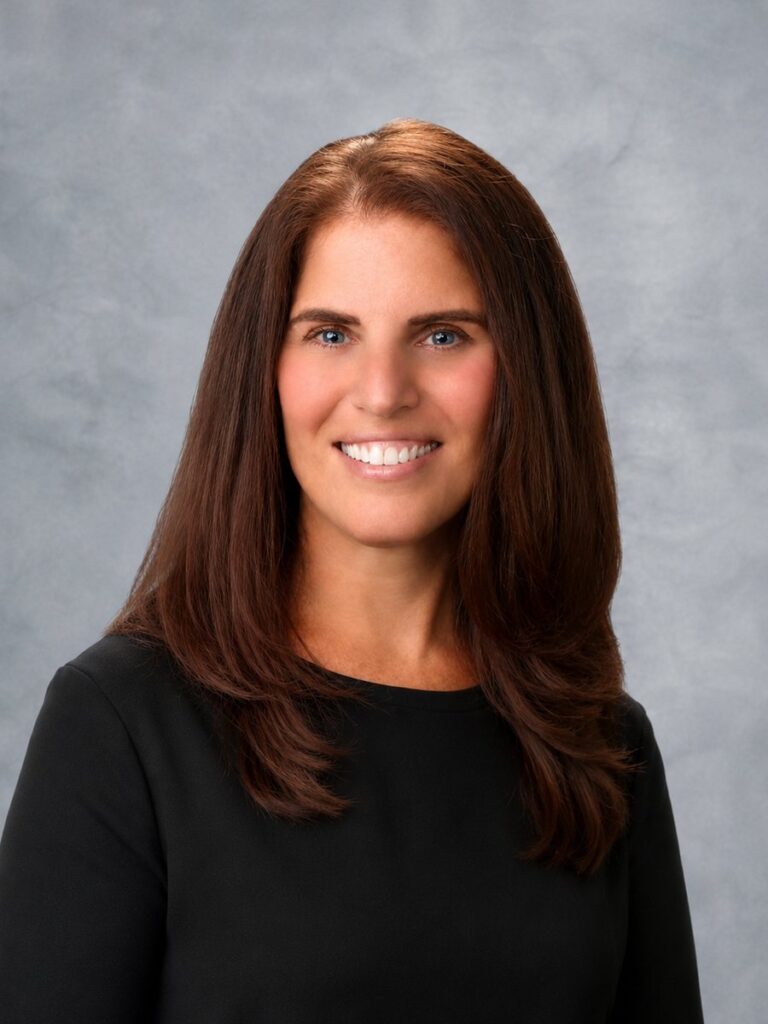
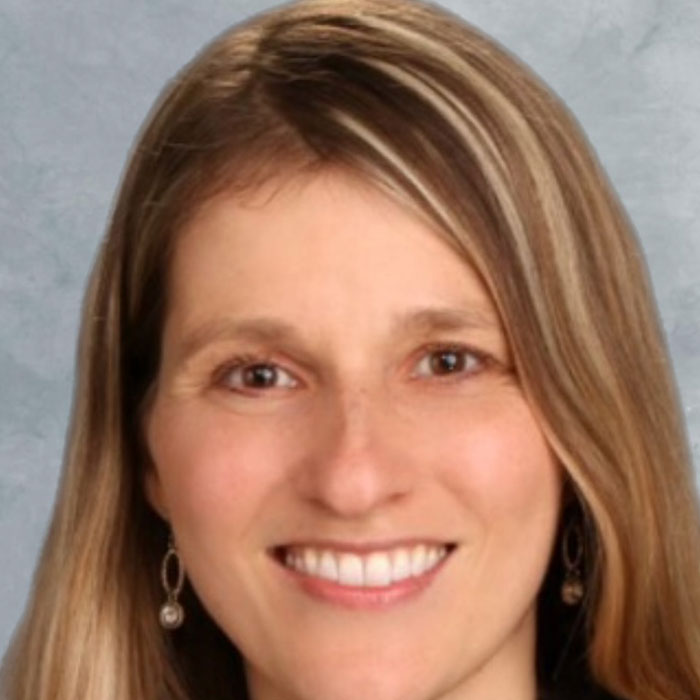
Acceptance-based methods and relaxation or breathing practice are added by our clinicians when they suit the client. Anxiety clients may be matched with clinicians such as Beth Levy-Merlin, PhD, MSW, LCSW and Carol Tudor, LPC. If the anxious thoughts arrive as rituals, an OCD specialist may be the better fit.
Anxious children and teenagers, medication and timing
In young people, anxiety frequently hides behind other signs, among them morning stomachaches before school, tears at drop-off, perfectionism with homework, or bedtimes that drag on with repeated requests for reassurance. Children and teens are treated with age-appropriate methods, and their parents take part in the plan. Comfort helps. Bending family routines around the fear usually makes it stronger.
Many adults ask whether they need medication. Often, therapy alone works for anxiety conditions. We do not prescribe, but if medication is worth looking into, we provide referrals and coordinate with local psychiatric professionals.
As for timing, sessions run 45 to 60 minutes and are usually weekly. The number of visits varies with the type of anxiety and its history. Specific phobias often improve in a handful of sessions, while generalized anxiety and panic usually take longer. We review progress with you as we go.
When fear or worry is dictating your decisions about where you go, what you decline and what you endure, or is eating into your sleep and focus, treatment is warranted. For a fuller picture, read our main anxiety therapy page or call to ask about a first visit.
Treatment that fits where anxiety shows up
Our office is about 17 minutes and 8.4 miles from Millburn, reached by routes such as County Road 611, County Road 609 or County Road 508. Clients come from Millburn center, the Wyoming district and Short Hills, and from nearby towns including Maplewood, South Orange, Livingston and Chatham. You will find Suite 103 at 425 Eagle Rock Avenue on the first floor, and the parking at the front and side costs nothing.
Secure video sessions are offered anywhere in New Jersey, and for anxiety this has a real advantage: exposure practice can happen where the fear shows up, like the car, the kitchen or the home office before a presentation. Video can also reach people whose fear of going outside is what has kept them from getting help. An anxiety therapist in Millburn can meet you at home, and many clients switch between the office and video from week to week.
You can schedule on weekdays, in the evening or on weekends. Call (973) 226-1505 or use the appointment request form. The office can check your insurance coverage when you call.

Further reading: Anxiety and Depression Association of America.
Who you'd see
Clinicians who treat Anxiety


Anxiety therapy for Millburn: getting here
Usual route: Eagle Rock Avenue (CR 611), CR 609, CR 508, CR 649.
Roseland Psychotherapy Associates
425 Eagle Rock Avenue, Suite 103
Roseland, NJ 07068 · (973) 226-1505 · Open in Maps
Nearby towns we also serve
How to get started
Call or request a time
Call (973) 226-1505 or use the appointment form. Our office answers questions and can check your insurance coverage.
We match you
Tell us what is going on and when you are free. We pair you with the licensed clinician on our team who fits your concern and schedule.
Start in person or by video
Meet at 425 Eagle Rock Avenue with free parking, or log in from home in Millburn. You can switch between the two as life changes.
Anxiety therapy in Millburn: questions
Still unsure? Call (973) 226-1505 and ask us directly.
Is there an anxiety therapist near Millburn?
Yes. Roseland Psychotherapy Associates is about 17 minutes from Millburn in Roseland, and our licensed clinicians treat generalized anxiety, panic, social anxiety and phobias. You can meet in the first-floor office or by secure video. The office team will connect you with a clinician after you call (973) 226-1505.
How do I know if my anxiety needs treatment?
Consider how much interference it causes. If worry or fear is steering your choices, or costing you sleep and concentration, it is worth treating. You do not need a diagnosis or a referral to call for an evaluation.
Will I be forced to face my fears right away?
No. Exposure work is gradual and planned together. It starts with situations that are uncomfortable, not overwhelming, and nothing happens without your agreement. Early visits cover evaluation and skill-building, with exposure following afterward.
Can I see an anxiety therapist by video from Millburn?
Yes. Secure video works well for most anxiety treatment, and we offer it anywhere in New Jersey. Some clients find it easier to start from home, especially when driving or waiting rooms are hard. Exposure work can happen either way.
How many sessions will it take?
The answer varies with the kind of anxiety and how long it has lasted. Specific phobias often improve in a handful of sessions, while generalized anxiety and panic usually take longer. Sessions run 45 to 60 minutes, usually weekly, and we review progress with you.
Is anxiety treatment covered by insurance?
Coverage depends on your plan. Call (973) 226-1505 with your details and the office will check your insurance coverage before you book. You do not need a referral, and you can ask other questions about starting on the same call.
Call or text (973) 226-1505
We'd love to hear from you. Tell us a little about what's going on and we'll match you with the therapist who fits you best, and check your insurance while we're at it. If you already know who you'd like to see, we'll book you with them. No referral needed. Press 0 for scheduling.
Weekday, evening and weekend appointments. Most major insurance accepted.