
Service areas / Convent Station / Anxiety therapy
Anxiety therapist in Convent Station, NJ
Anxiety is an alarm that keeps going when there is no emergency, and it can be treated. Roseland Psychotherapy Associates offers an anxiety therapist for Convent Station about 22 minutes away in Roseland, with secure video sessions available from home.
About 22 minutes from Convent Station to our Roseland office. Secure video anywhere in New Jersey. No referral needed.
Quick answer
Anyone who wants an anxiety therapist near Convent Station can find licensed help close by. Roseland Psychotherapy Associates, at 425 Eagle Rock Avenue in Roseland, is about 22 minutes (12.6 miles) away. Licensed clinicians treat generalized anxiety, panic, social anxiety and phobias, in person or by secure video across New Jersey. No referral is needed. Call (973) 226-1505 to begin.
When the alarm will not switch off
A flight or a job interview makes nearly everybody nervous. An anxiety disorder is something else. Here the body's alarm sounds without an emergency, refuses to stop once the moment is over, and begins steering your choices, from the roads you will drive to the invitations you accept and the emails you can face opening.
Naming the pattern matters, since the treatment depends on the type. The clinicians here meet these types most often:
- Generalized anxiety: relentless worry about health, money, family and work in turn, along with tension, restlessness and poor sleep. The worry feels useful. It usually is not.
- Panic disorder: abrupt surges of a pounding heart, breathlessness, dizziness and a conviction that something is physically wrong. Dread of the next attack frequently does more damage than the attack itself.
- Social anxiety: intense fear of being scrutinized, judged or humiliated, frequently taken for plain shyness. Hours of rehearsing beforehand and replaying afterward are common.
- Specific phobias: driving, flying, needles, vomiting, animals, heights. These fears are narrow, but they can have large effects.
A needle phobia, for example, can keep someone away from medical care for a decade.
 Clinically reviewed by Beth Levy-Merlin, PhD, MSW, LCSW, partner and co-founder of Roseland Psychotherapy Associates, in practice since 2001. Meet the team.
Why anxiety feels so physical
A pounding pulse, chest tightness, a queasy stomach, tingling fingers, a lump in the throat. The threat response engages the entire body, which is why anxiety is felt everywhere. A lot of people arrive at therapy after a heart workup or an emergency room trip turned up no problem.
A normal heart test does not close the question. More often the alarm system is the issue, and that system responds to treatment. At the outset, your clinician walks you through what the body is doing and the reason. Understanding this by itself takes the edge off the sensations for many.
A panic attack feels terrifying yet poses no medical danger. Get any new or unexplained physical symptom checked by your physician before anything else. After medical causes have been excluded, structured therapy works well for panic.
How do you know whether your anxiety needs treatment? The measure is how much interference it causes. When worry or fear dictates what you avoid, decline, postpone or endure, or when it takes away sleep and focus, treatment is warranted. If worry sits alongside a heavy mood, our depression and anxiety therapist page covers that combination.
How an anxiety therapist treats it
At its center, anxiety treatment means moving toward the feared thing rather than away from it. It is avoidance that converts a fright into a disorder. Every highway drive you skip and invitation you decline tells the brain the situation was dangerous and that you escaped it. Therapy reverses that lesson.
In CBT, you start by spotting what anxiety predicts, such as fainting in public, being laughed at, or being unable to cope. Next you check those predictions against real situations, one step at a time and only with your consent, and see that they did not come true. See CBT in Convent Station for how the method is run.
Treatment adapts to the pattern. With panic, the work can include safely provoking the dreaded sensations during a session until a pounding heart is simply a pounding heart. In social anxiety, the task is giving up the safety behaviors that quietly sustain the fear: over-rehearsing, avoiding eye contact, or having a drink first. Phobias tend to yield to gradual exposure, and often in fewer sessions than people anticipate. Acceptance-based approaches and relaxation and breathing training are used where they fit.
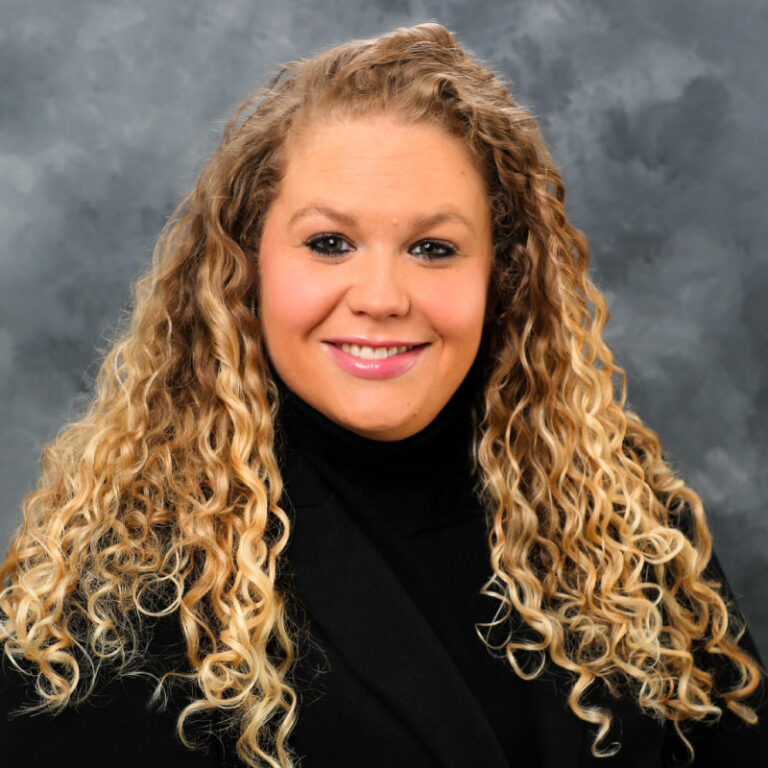
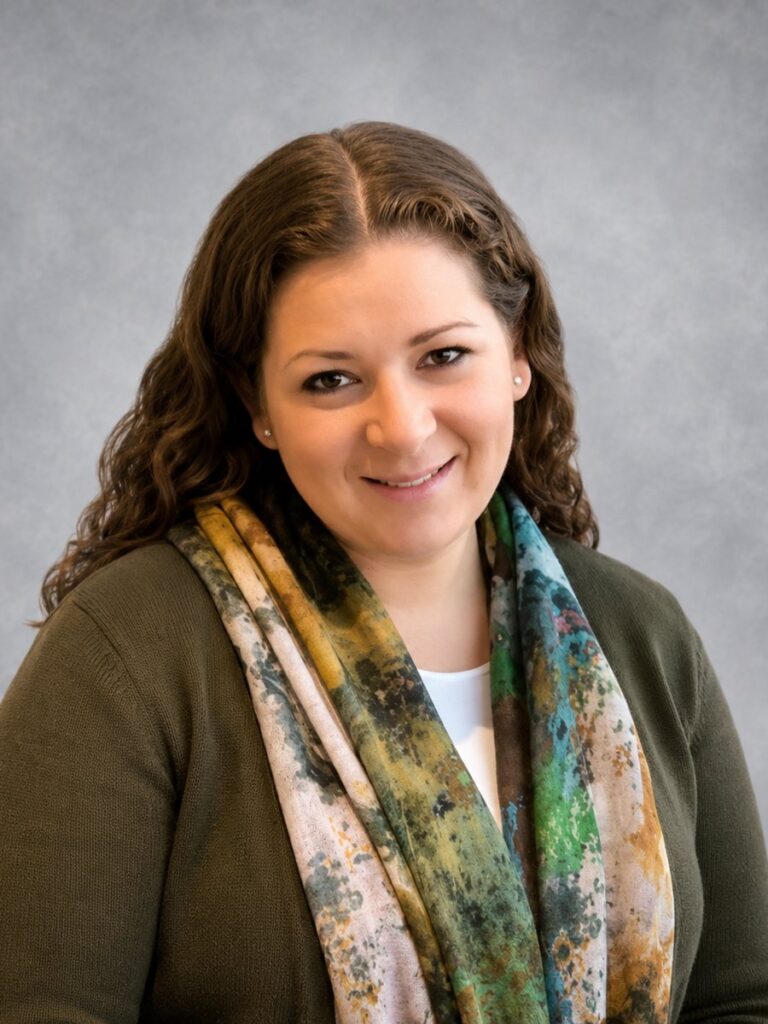
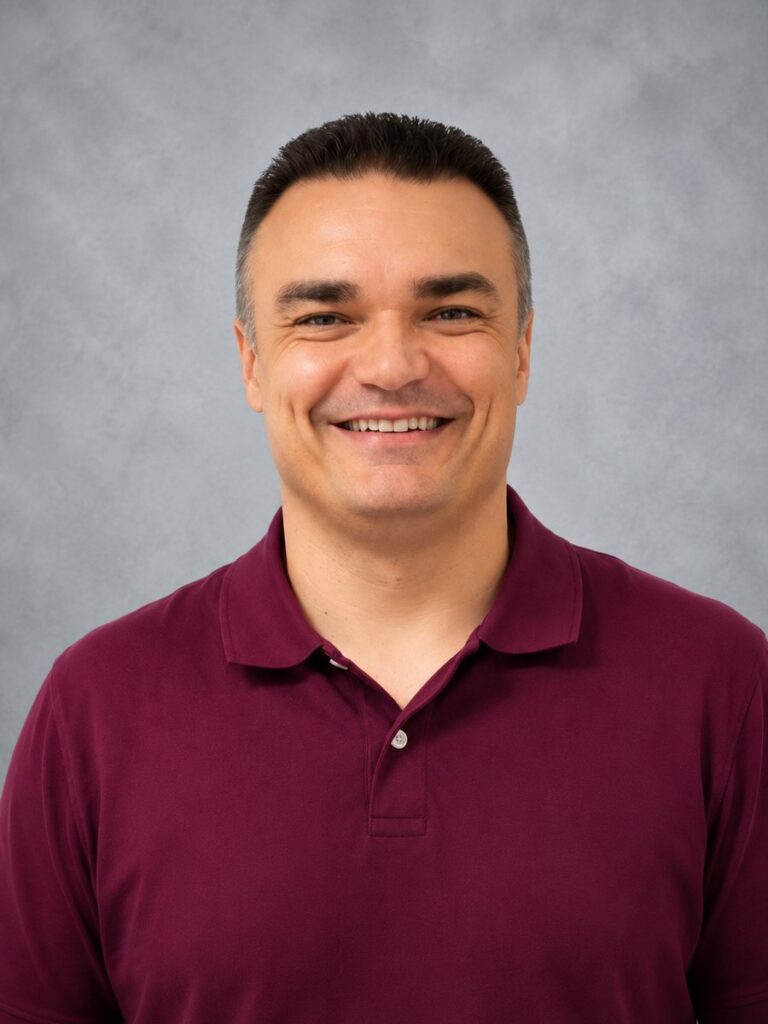
Among the clinicians who see anxiety are Beth Levy-Merlin, PhD, MSW, LCSW and Peter Lawson, MA, LPC. Our anxiety therapy overview describes the full approach.
Your first sessions, and how long it takes
The first session with an anxiety therapist in Convent Station, or at any practice worth trusting, is an evaluation. Your clinician names the pattern and you agree on a plan. Nothing difficult is asked of you on the first day. Exposure work is gradual and planned together, it starts with situations that are uncomfortable but not overwhelming, and nothing happens without your agreement. The first sessions focus on evaluation and skills, and exposure comes later.
How many sessions will it take? The answer turns on the type of anxiety and how long it has been present. A specific phobia can often improve within just a few sessions. Generalized anxiety and panic usually take longer. Sessions run 45 to 60 minutes, usually weekly, and progress is reviewed with you as you go.
Can anxiety be treated without medication? Often, yes, since therapy alone works for many anxiety conditions. Roseland Psychotherapy Associates does not prescribe, but if medication is worth looking into, the office provides referrals and coordinates with local psychiatric professionals.
If intrusive thoughts and rituals are part of what you are dealing with, the pattern may be different, and the OCD specialist page for Convent Station explains how OCD is distinguished from anxiety and treated with ERP.
An anxiety therapist in Convent Station, in the office or on screen
Secure video sessions are offered anywhere in New Jersey, and for anxiety this has a real advantage. Exposure practice can happen where the fear really shows up, like the car, the kitchen or the home office before a presentation. Video is useful as well when dread of leaving home is what stands between a person and treatment. Plenty of clients alternate weekly between the office and a screen.
In younger people anxiety may appear as school-morning stomachaches, tears at drop-off, perfectionism with homework, or bedtimes that depend on reassurance which never fully satisfies. Children and teens receive methods suited to their age, with parents taking part in the plan. Comfort helps. Reorganizing family life around the fear usually strengthens it.
To come in person, find Suite 103 at 425 Eagle Rock Avenue on the first floor, where parking is free at the front and side and wheelchair-accessible parking and walkways are provided. Appointments can be scheduled on weekdays, evenings or weekends.
Call (973) 226-1505 or send a request through the contact page. You do not need a referral, and the office helps match you with a clinician.
The drive from Convent Station
Convent Station is an unincorporated community within Morris Township, in Morris County, and our Roseland office is about 22 minutes and 12.6 miles away. Roads such as County Road 611, County Road 609, County Road 510 and NJ 124 connect the two. Madison, Morristown, Cedar Knolls, Florham Park, Green Village and Whippany are all within a few miles of Convent Station.
An anxiety therapist in Convent Station can plan around the drive. If driving is part of what anxiety has taken from you, the trip can feel like the first exposure. Tell the office when you call. Your clinician can start on video, work on the drive as a goal of its own, and come to the office when you are ready. Nobody will rush that step.
For people in Bradwahl, Cromwell Hills, the Normandy Park Historic District or elsewhere in the community who prefer to stay put, video avoids the commute completely. Parking at our building is free and the suite is on the first floor. The office can check your insurance coverage when you call.

Further reading: Anxiety and Depression Association of America.
Who you'd see
Clinicians who treat Anxiety

Anxiety therapy for Convent Station: getting here
Usual route: Eagle Rock Avenue (CR 611), CR 609, CR 510, Normandy Parkway.
Roseland Psychotherapy Associates
425 Eagle Rock Avenue, Suite 103
Roseland, NJ 07068 · (973) 226-1505 · Open in Maps
Nearby towns we also serve
How to get started
Call or request a time
Call (973) 226-1505 or use the appointment form. Our office answers questions and can check your insurance coverage.
We match you
Tell us what is going on and when you are free. We pair you with the licensed clinician on our team who fits your concern and schedule.
Start in person or by video
Meet at 425 Eagle Rock Avenue with free parking, or log in from home in Convent Station. You can switch between the two as life changes.
Anxiety therapy in Convent Station: questions
Still unsure? Call (973) 226-1505 and ask us directly.
Is there an anxiety therapist near Convent Station?
Yes. Roseland Psychotherapy Associates is about 22 minutes from Convent Station in Roseland. Our licensed clinicians work with phobias, social anxiety, panic and generalized anxiety, and sessions are held in the first-floor office or over secure video. Call (973) 226-1505 and the office will help match you with a clinician.
Can I see an anxiety therapist by video from Convent Station?
Yes. Secure video is available anywhere in New Jersey. It lets exposure practice happen where the fear really shows up, like the car or the kitchen, and it helps when fear of leaving home keeps people from treatment. Many clients switch between video and the office.
Will I be forced to face my fears right away?
No. Exposure work is gradual and planned together. The first steps involve manageable discomfort rather than overwhelming fear, and nothing proceeds unless you agree. Early sessions are given to evaluation and building skills, with exposure following later.
Are panic attacks dangerous?
Panic attacks are very frightening but not medically dangerous. Get any new or unexplained physical symptom checked by your physician before anything else. Once medical causes are ruled out, panic responds very well to structured therapy, and the first step is learning what your body is doing.
How many sessions of anxiety therapy will it take?
The answer turns on the type of anxiety and how long it has been present. A specific phobia can often ease within a few sessions, whereas generalized anxiety and panic typically need more time. Each session lasts 45 to 60 minutes, typically once a week, and your clinician goes over progress with you.
Is anxiety therapy covered by insurance?
Coverage depends on your plan. Call (973) 226-1505 and the office can check your insurance coverage when you call, before your first appointment. You do not need a referral, and staff can explain scheduling and the 24-hour cancellation notice.
More care for Convent Station
Call or text (973) 226-1505
We'd love to hear from you. Tell us a little about what's going on and we'll match you with the therapist who fits you best, and check your insurance while we're at it. If you already know who you'd like to see, we'll book you with them. No referral needed. Press 0 for scheduling.
Weekday, evening and weekend appointments. Most major insurance accepted.