
Service areas / Totowa / Anxiety therapy
Anxiety therapist in Totowa, NJ
When worry starts deciding which roads you drive and which invitations you accept, it is time to get support. If you want an anxiety therapist in Totowa, Roseland Psychotherapy Associates has licensed clinicians at our Roseland office, about 17 minutes away, and by secure video.
About 17 minutes from Totowa to our Roseland office. Secure video anywhere in New Jersey. No referral needed.
Quick answer
Is there an anxiety therapist in Totowa? Roseland Psychotherapy Associates, at 425 Eagle Rock Avenue in Roseland, is about 17 minutes (10.3 miles) from the borough. Licensed clinicians treat generalized anxiety, panic, social anxiety and phobias with CBT and related methods, in person or by secure video. No referral is needed. Call (973) 226-1505.
Four common patterns an anxiety therapist in Totowa treats
Nerves before a flight or an interview are universal. An anxiety disorder is something else. With a disorder, the body sounds its alarm in the absence of danger, keeps ringing once the moment is over, and begins deciding for you which roads you take, which invitations you accept, and which emails you manage to open.
It helps to name the pattern, because treatment differs by type. These are the main ones we see:
- Generalized anxiety: worry that never settles, hopping between health, finances, relatives and the job, together with tension, edginess and poor sleep. The worry feels useful, and it usually is not.
- Panic disorder: abrupt surges of a hammering pulse, breathlessness, lightheadedness and a conviction that something is physically wrong. The bigger problem is often fear of the next attack.
- Social anxiety: an intense dread of judgment or humiliation that is frequently confused with shyness. Many people do fine in the moment, then pay with hours of rehearsing beforehand and replaying afterward.
- Specific phobias: driving, flying, needles, animals, heights. They are narrow fears with large effects.
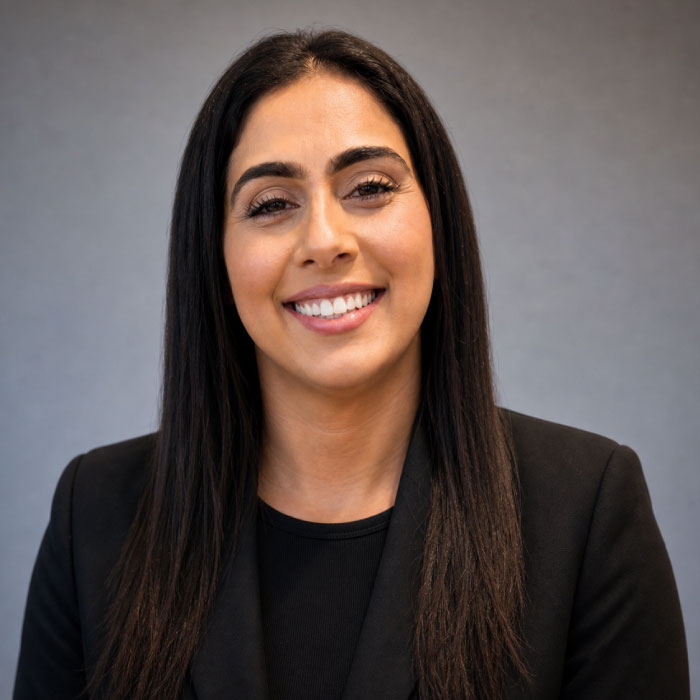
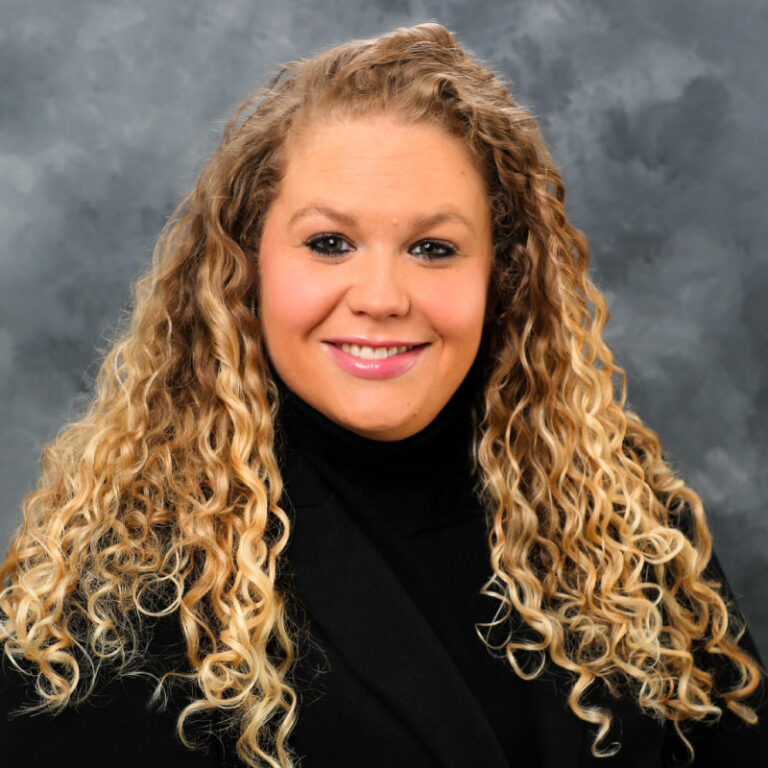
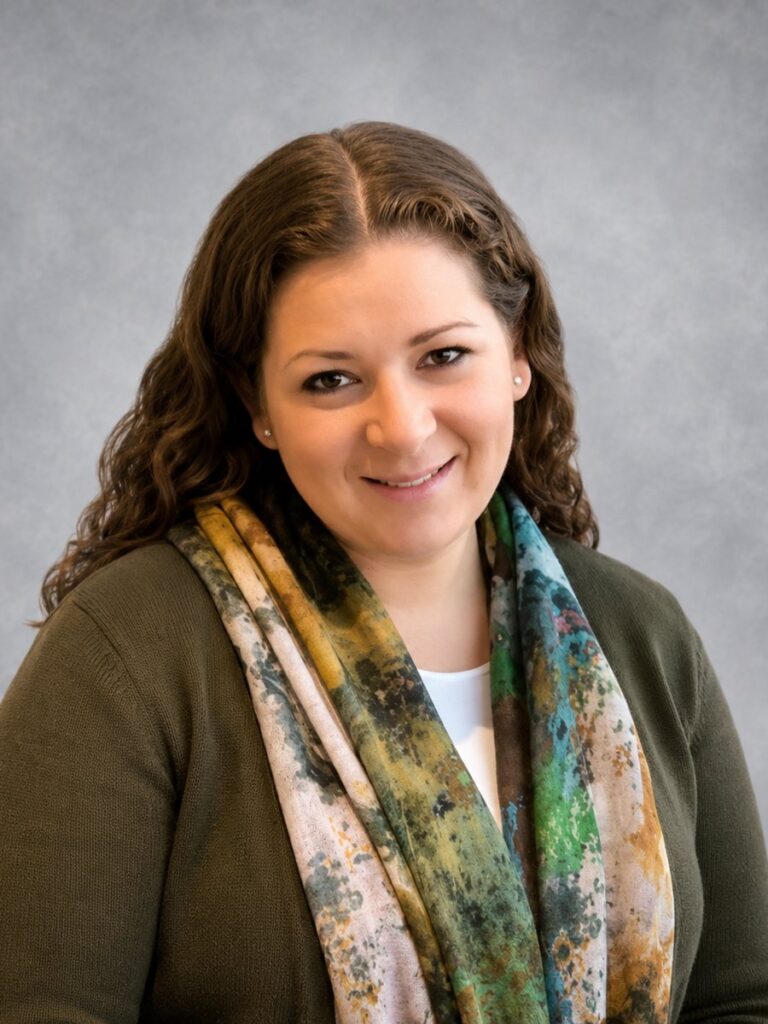
Clinicians at our practice, such as Beth Levy-Merlin, PhD, MSW, LCSW and Carol Tudor, LPC, treat each of these. The main anxiety therapist page gives more background.
 Clinically reviewed by Beth Levy-Merlin, PhD, MSW, LCSW, partner and co-founder of Roseland Psychotherapy Associates, in practice since 2001. Meet the team.
Why anxiety feels so physical
Pounding pulse, chest tightness, queasiness, pins and needles, a knot in the throat. Because the threat response engages every system, anxiety is felt throughout the body. A lot of clients reach us after a heart evaluation or a trip to the emergency room turned up no problem.
A normal test result does not mean there is nothing to address. More often the trouble lies in the alarm system, and that system can be treated. Anyone with new or puzzling physical symptoms should check with a physician before anything else. Once medical causes are ruled out, panic in particular responds very well to structured therapy.
At the start of treatment, the clinician walks you through what your body is doing and the reason. For plenty of people, that understanding by itself takes the edge off the sensations. A pounding heart is uncomfortable, but it is not a sign of danger, and understanding the mechanism takes some of the fear out of the next episode.
Sleep, caffeine, stress and avoidance all feed the cycle, and your clinician will ask about each. Small changes in routine rarely cure anxiety alone, though they can make the therapeutic work easier to do.
If worry about contamination, checking or intrusive thoughts is more your pattern, our page on an OCD specialist in Totowa describes a related but different condition.
How treatment works
Facing what scares you, rather than steering clear of it, sits at the center of anxiety treatment. It is avoidance that converts a fright into a disorder. Every highway drive you skip or invitation you turn down tells the brain the situation was dangerous and that you narrowly escaped. Therapy reverses that lesson.
Cognitive behavioral therapy teaches you to catch anxiety's forecasts, such as I will faint, they will laugh, or I cannot cope. Next you put those forecasts to the test in real settings, one step at a time and only with your consent, and discover they missed the mark. Our CBT page for Totowa explains how a course is organized.
Panic treatment includes interoceptive exercises, in which the sensations you dread are safely produced during a session until a pounding heart is simply a pounding heart. With social anxiety, the task is giving up the quiet crutches that sustain the fear, like rehearsing too much, avoiding eye contact or having a drink first. For phobias, gradual exposure resolves many cases in fewer sessions than people expect.
Acceptance-based methods and relaxation or breathing training are also used by our clinicians when they suit the person. Whatever the diagnosis, the plan is shaped around the individual.
How many sessions, and what about medication
The length of treatment varies with the type of anxiety and how long it has been present. A handful of sessions is often enough to improve a specific phobia. Generalized anxiety and panic usually take longer. Sessions run 45 to 60 minutes, typically weekly at first, and you and your clinician adjust the pace as you improve.
Between sessions, you practice. Practice is where most of the change happens, because the brain learns from repeated experience, not from a single conversation. Assignments are small and planned together, and nobody grades them.
Many people ask whether they need medication. Often, therapy alone works for anxiety. Roseland Psychotherapy Associates does not prescribe, but if medication is worth looking into, we provide referrals and coordinate with local psychiatric professionals. Our page about finding the right psychiatrist from Totowa describes that process.
If anxiety is running your schedule, the first session is an evaluation. Together we identify the pattern and settle on a plan. You will not be asked to face anything hard on the first day, and you can ask any question you like about what comes next.
Anxious children and teenagers
In young people, anxiety frequently hides behind other signs, including stomachaches before school, meltdowns at drop-off, perfectionism about homework, or a bedtime ritual that depends on reassurance and never fully works. Parents often describe a child who seems fine all day and falls apart in the evening.
Children and teens are treated with age-appropriate methods, and parents take part in the plan. The way a family reacts to a child's worry carries a lot of weight. Comfort helps. Reorganizing home life around the fear usually strengthens it. Parents learn which responses support the child and which ones accidentally keep the worry going.
Teenagers often hold their anxiety inside, and it can show up as irritability, avoidance of friends or trouble sleeping. A teen usually gets some time alone with the clinician, and safety concerns are always shared with parents. Our page on therapy for teenagers in Totowa describes how we work with younger clients.
You do not need to be sure it is anxiety before calling. Describe what you see, and the clinician will help work out whether an evaluation makes sense and who should attend first.
When leaving the house is the hard part
For some people, the drive itself is part of the anxiety. From Totowa, our Roseland office is about 17 minutes and 10.3 miles away, and the roads people use include County Road 613, County Road 611 and NJ 62. The building is on the first floor at 425 Eagle Rock Avenue, Suite 103, with free parking at the front and side.
Video carries a clear benefit for anxiety, because exposure practice can take place in the spot where the fear lives, whether that is the car, the kitchen or a home office before a presentation. Secure video is available anywhere in New Jersey, and an anxiety therapist in Totowa can meet you there if fear of leaving the house is the very thing keeping you from treatment. Plenty of clients alternate between the office and video as the weeks go by.
Neighbors in Woodland Park, Little Falls, Haledon and Prospect Park come to us as well. Call (973) 226-1505 or use the appointment request form. The office can check your insurance coverage when you call.

Further reading: Anxiety and Depression Association of America.
Who you'd see
Clinicians who treat Anxiety

Anxiety therapy for Totowa: getting here
Usual route: Eagle Rock Avenue (CR 611), CR 613, US-46, NJ-62.
Roseland Psychotherapy Associates
425 Eagle Rock Avenue, Suite 103
Roseland, NJ 07068 · (973) 226-1505 · Open in Maps
Nearby towns we also serve
How to get started
Call or request a time
Call (973) 226-1505 or use the appointment form. Our office answers questions and can check your insurance coverage.
We match you
Tell us what is going on and when you are free. We pair you with the licensed clinician on our team who fits your concern and schedule.
Start in person or by video
Meet at 425 Eagle Rock Avenue with free parking, or log in from home in Totowa. You can switch between the two as life changes.
Anxiety therapy in Totowa: questions
Still unsure? Call (973) 226-1505 and ask us directly.
Is there an anxiety therapist near Totowa?
Yes. Roseland Psychotherapy Associates is about 17 minutes from Totowa in Roseland, and our licensed clinicians treat anxiety in person or by secure video. Phone (973) 226-1505 and the staff will connect you with a clinician suited to you.
How do I know if my anxiety needs treatment?
Consider how much it interferes with your life. When worry or fear dictates where you drive, what you decline or what you postpone, or when it drains your sleep and focus, treatment is warranted. An evaluation will help you sort it out.
Will I be forced to face my fears right away?
No. Exposure work is gradual and planned together. It starts with situations that are uncomfortable, not overwhelming, and nothing happens without your agreement. The first sessions are for evaluation and skills.
Are panic attacks dangerous?
Panic attacks feel terrifying, yet they do not pose a medical danger. Anyone with new or puzzling physical symptoms should check with a physician before anything else. After medical explanations are excluded, panic responds well to structured therapy.
Can I get anxiety therapy by video from Totowa?
Yes. We offer secure video sessions anywhere in New Jersey. You can practice facing fears where they show up, and video helps when fear of leaving the house keeps you from an office.
Does insurance cover anxiety therapy?
Coverage depends on your plan. Call (973) 226-1505 with your plan details and the office can check your coverage before your first appointment. You do not need a referral to start.
Call or text (973) 226-1505
We'd love to hear from you. Tell us a little about what's going on and we'll match you with the therapist who fits you best, and check your insurance while we're at it. If you already know who you'd like to see, we'll book you with them. No referral needed. Press 0 for scheduling.
Weekday, evening and weekend appointments. Most major insurance accepted.