
Service areas / Newark / Anxiety therapy
Anxiety therapist in Newark, NJ
Roseland Psychotherapy Associates treats generalized anxiety, panic, social anxiety and phobias. If you want an anxiety therapist in Newark, our Roseland office is about 18 minutes from the city, and secure video lets you practice new skills where the worry shows up.
About 18 minutes from Newark to our Roseland office. Secure video anywhere in New Jersey. No referral needed.
Quick answer
Searching for an anxiety therapist in Newark? Roseland Psychotherapy Associates, at 425 Eagle Rock Avenue in Roseland, is about 18 minutes (11.6 miles) from Newark. Licensed clinicians treat panic, worry, social anxiety and phobias with CBT and exposure, in person or by secure video. No referral is needed. Call (973) 226-1505.
Finding an anxiety therapist in Newark who knows the different forms
A flutter before a flight or an interview is ordinary. An anxiety disorder differs: the body's alarm sounds with no emergency in sight, keeps ringing after the moment is over and begins to steer your choices, from the routes you take to the invitations you accept and the messages you leave unopened.
Naming the pattern matters because the treatment depends on it. Four forms come up most often:
- Generalized anxiety: worry that never settles, hopping between health, money, family and work, along with tension, restlessness and broken sleep. It can feel protective, though it seldom helps.
- Panic disorder: abrupt surges of pounding heart, breathlessness and dizziness, with a conviction that something is physically wrong. Dread of the next surge often does more damage than the surge itself.
- Social anxiety: intense dread of being judged or embarrassed in front of others, frequently taken for shyness
- Specific phobias: a focused fear of something such as driving, flying, needles, animals or heights, small in scope but able to reshape a life
You do not need to know which one fits before you call. Naming it is part of the first session.
 Clinically reviewed by Julie Potischman, PhD, LPC, NCC, CST, partner and co-founder of Roseland Psychotherapy Associates and an AASECT-certified sex therapist. Meet the team.

Why anxiety feels like a physical illness
A pounding heart, tight chest, churning stomach, tingling hands, a lump in the throat: the body takes part because the threat response is a whole-body event.
Some clients arrive after a heart workup or an emergency visit that came back clear. A clear result does not mean nothing is happening. It often points to an overactive alarm system, and that can be treated. If you have new or severe symptoms, a medical check is sensible, and we encourage it.
In the first sessions your clinician explains what your body is doing and the reason. For many people that alone makes the sensations less frightening, because a racing heart without a story of danger attached is easier to sit through.
Panic often builds around the fear of the sensations, not around any outside event. People start to avoid exercise, caffeine, crowded rooms or anything that raises the heart rate, and life narrows. The clinician's task is to widen it again, step by step, with your consent at each step.
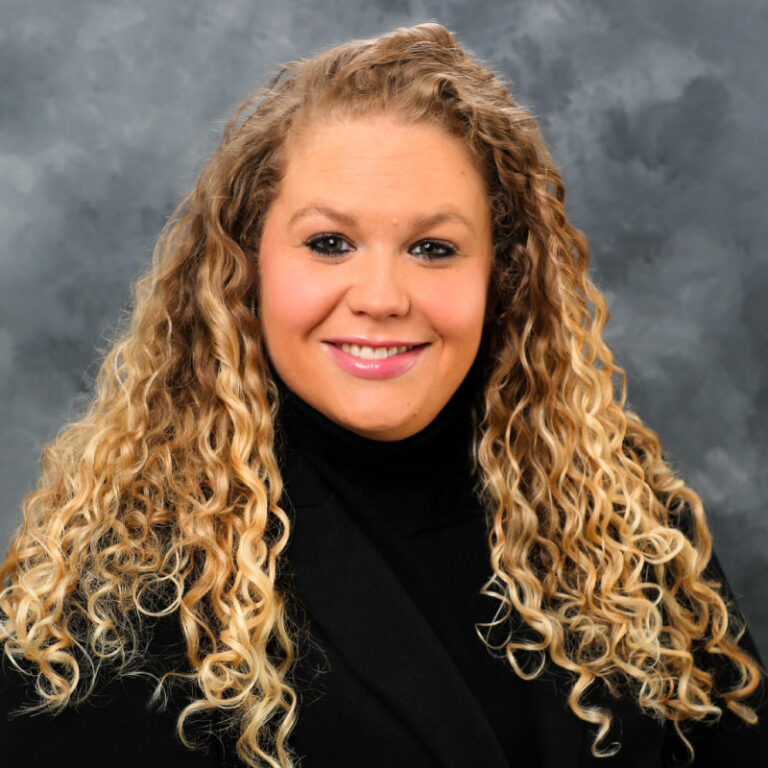
Our clinicians for this work include Danielle Cito, LPC and Jennifer Hoehn, LCSW.
Treatment: facing what you have been avoiding
Treatment rests on moving toward what frightens you instead of away from it. Avoidance is what hardens a scare into a disorder: each skipped drive or refused invitation tells the brain the danger was real and you barely escaped.
CBT teaches you to catch anxiety's forecasts, like I will faint, they will laugh or I cannot cope. You then test them in real situations, one step at a time and only with your agreement, and see how often they miss. Our CBT page for Newark goes further into the method.
The details change by pattern:
- For panic, you and your clinician safely bring on the feared body sensations in session until a fast heartbeat is just a fast heartbeat.
- For social anxiety, you drop the safety behaviors that quietly feed the fear, such as over-rehearsing or avoiding eye contact.
- For phobias, graded exposure often works in fewer sessions than people predict.
Acceptance-based approaches, relaxation and breathing training are added where they fit. Each plan is shaped around you, not the label. Your clinician explains each exercise before you try it, and you can stop or slow down at any point.
Anxious children and teenagers
In young people anxiety can pose as something else, such as stomachaches on school mornings, meltdowns at drop-off, perfectionism over homework or a bedtime that depends on reassurance that never quite lands.
Children and teens are treated with age-adjusted methods, and parents take part in the plan. The way a family answers a child's worry counts for a lot. Comfort helps, while reorganizing the home around the fear tends to keep it going.
Our child and teen therapy page for Newark describes how the work is arranged, including how clinicians balance a teenager's privacy with what parents need to know.
If worry is part of a wider low mood, our depression and anxiety page for Newark covers how the two fit together. For a general overview, the main anxiety therapy page explains the approach. A parent does not have to be sure the worry is clinical before calling. Describing what you see at home and at school is a good start. Clinicians can often help you tell the difference between a rough patch and a pattern that needs treatment, and they can show you which responses calm a child and which keep the worry going.
When anxiety is running your schedule
If you plan your day around avoiding something, anxiety is already in charge. That might mean taking a longer route, skipping meetings, sleeping badly the night before an event or double-checking things until you are late.
The first session is an evaluation. Together we identify what the anxiety is doing and settle on a plan. Nothing difficult is asked of you at the first visit.
Sessions run 45 to 60 minutes, usually weekly, and between visits you practice small steps you helped choose. Progress is reviewed with you, and the pace changes as you gain confidence.
Roseland Psychotherapy Associates does not prescribe medication. If medication is worth discussing, we coordinate with your physician or a psychiatric professional and provide referrals, and therapy continues alongside it.
Weekday, evening and weekend appointments are offered by scheduling, so a heavy work week does not need to put the first visit off. When you are ready, you can request an appointment or call, and the office will match you with the clinician whose experience fits your pattern.
Getting from Newark to Roseland, or practicing at home
Newark to Roseland is 11.6 miles, normally about 18 minutes. I-280, County Road 611 and County Road 527 are the usual ways in, and University Avenue is another. We are at 425 Eagle Rock Avenue, Suite 103, on the first floor, with free front and side parking.
If the drive itself is a trigger, you are not alone, and that is not a reason to stay away. Secure video is available anywhere in New Jersey, so you can start from home. Anxiety care has a real advantage on video, because exposure practice can happen where the fear shows up, such as the car, the kitchen or the home office before a presentation.
Clients also come from East Orange, Irvington, Orange, Belleville, Bloomfield and South Orange, and many mix video and office visits as their weeks change.
Newark is the largest city in New Jersey, and daily life there can be busy. Weekday, evening and weekend appointments help. Call (973) 226-1505. No referral is needed, and the office can check your insurance coverage when you call.

Further reading: Anxiety and Depression Association of America.
Who you'd see
Clinicians who treat Anxiety



Anxiety therapy for Newark: getting here
Usual route: Eagle Rock Avenue (CR 611), CR 527, I-280, University Avenue.
Roseland Psychotherapy Associates
425 Eagle Rock Avenue, Suite 103
Roseland, NJ 07068 · (973) 226-1505 · Open in Maps
Nearby towns we also serve
How to get started
Call or request a time
Call (973) 226-1505 or use the appointment form. Our office answers questions and can check your insurance coverage.
We match you
Tell us what is going on and when you are free. We pair you with the licensed clinician on our team who fits your concern and schedule.
Start in person or by video
Meet at 425 Eagle Rock Avenue with free parking, or log in from home in Newark. You can switch between the two as life changes.
Anxiety therapy in Newark: questions
Still unsure? Call (973) 226-1505 and ask us directly.
Is there an anxiety therapist near Newark?
Yes. Roseland Psychotherapy Associates is about 18 minutes from Newark, in Roseland. Our licensed clinicians treat generalized anxiety, panic, social anxiety and phobias, in the office or by secure video. Phone (973) 226-1505, and office staff will pair you with a clinician. No referral is needed.
Can I get anxiety therapy by video from Newark?
Yes. Secure video is available anywhere in New Jersey, and it can help with anxiety because exposure practice happens where the fear shows up. If leaving the house is hard, video lets you begin at home. Many clients combine video with visits to the Roseland office.
Is it anxiety or a medical problem?
It can be hard to tell. Some people come after a cardiac workup or an emergency visit that found nothing wrong. A medical check is sensible for new or severe symptoms. If nothing physical is found, the alarm system itself is often the target, and it can be treated.
Will I have to face my fears right away?
No. The first session is an evaluation. You and your clinician agree on a plan, and any exposure is gradual and only with your agreement. You will not be asked to face anything hard on day one, and you set the pace with your clinician.
How long does anxiety therapy take?
That varies with the pattern and its history. Specific phobias often resolve in fewer sessions than people expect, while generalized anxiety may take longer. Visits last 45 to 60 minutes, typically once a week, with regular check-ins on progress. Your clinician can give you a clearer sense after the first evaluation.
Does insurance cover anxiety therapy?
Each plan differs, so the office checks yours. Call (973) 226-1505 with your plan details and staff will confirm coverage ahead of the first appointment. You need no referral to book, and you can decide about medication later, once you know what treatment involves.
Call or text (973) 226-1505
We'd love to hear from you. Tell us a little about what's going on and we'll match you with the therapist who fits you best, and check your insurance while we're at it. If you already know who you'd like to see, we'll book you with them. No referral needed. Press 0 for scheduling.
Weekday, evening and weekend appointments. Most major insurance accepted.