
Service areas / Dover / Anxiety therapy
Anxiety therapist in Dover, NJ
Roseland Psychotherapy Associates treats generalized anxiety, panic, social anxiety and phobias. If you need an anxiety therapist in Dover, our Roseland office is about 25 minutes away, and secure video sessions are available from home.
About 25 minutes from Dover to our Roseland office. Secure video anywhere in New Jersey. No referral needed.
Quick answer
Looking for an anxiety therapist in Dover? Roseland Psychotherapy Associates, at 425 Eagle Rock Avenue in Roseland, is about 25 minutes (18.7 miles) from town. Licensed clinicians treat anxiety with CBT and other methods, in person or by secure video anywhere in New Jersey. No referral is needed. Call (973) 226-1505.
Finding an anxiety therapist in Dover who names your pattern
Butterflies before a flight or an interview are part of being human. An anxiety disorder is something else. The alarm sounds with no emergency in sight, refuses to quiet down once the moment is over, and starts steering your choices: the route you drive, the invitations you take, the messages you manage to open.
Naming the specific pattern comes first, since each type is treated a little differently. A good first session sorts that out before any plan is made.
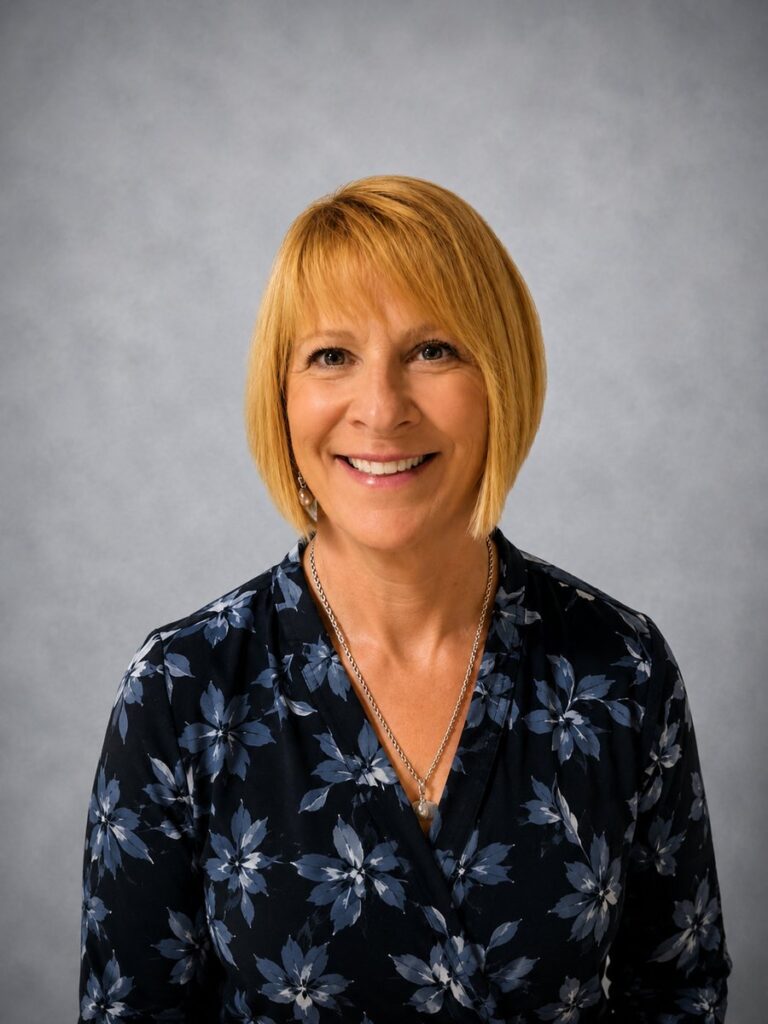
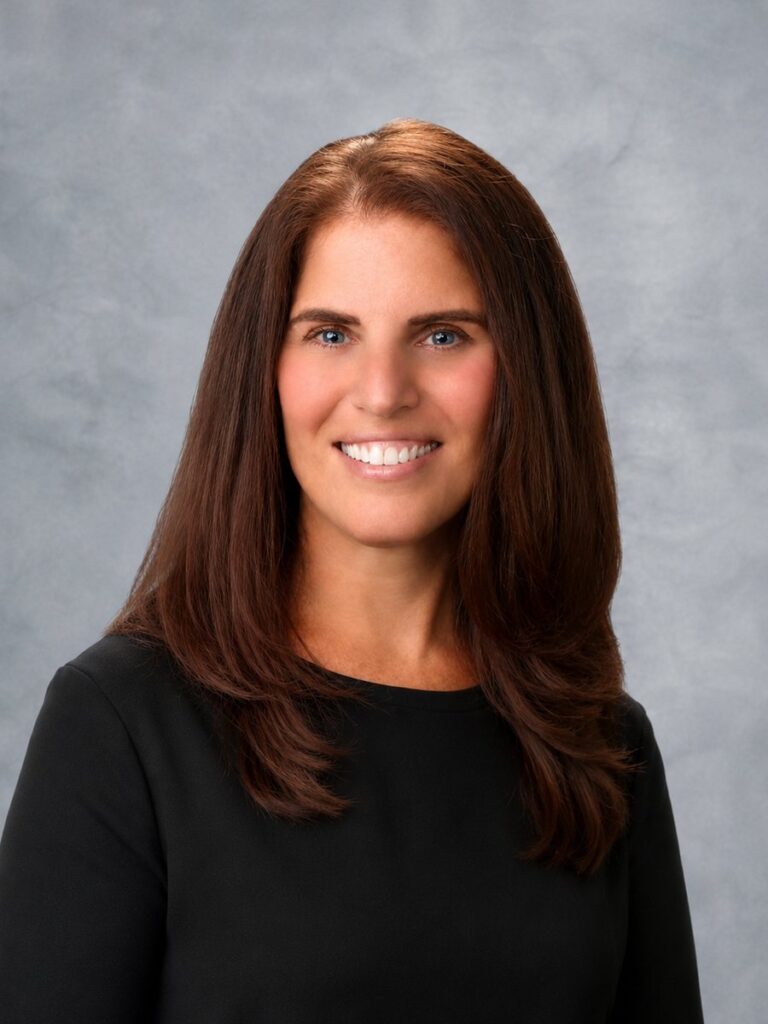
When you call, the office matches you with a licensed clinician who treats anxiety, such as Beth Levy-Merlin, PhD, MSW, LCSW or Eric Latzman, LCSW. You do not have to know which kind of anxiety you have.
The anxiety therapy page covers the overall approach. If low mood is also part of the picture, our depression and anxiety therapy page for Dover looks at the overlap.
People often tell us they spent months, or years, trying to reason their way out of anxiety. Reasoning alone rarely works, since the alarm is not a logical system. Therapy works with the body and the behavior, along with the thoughts. Because of that, a clinician who treats anxiety regularly can help you work on it in a structured way, and the plan stays flexible if your pattern shifts or a second one appears.
 Clinically reviewed by Beth Levy-Merlin, PhD, MSW, LCSW, partner and co-founder of Roseland Psychotherapy Associates, in practice since 2001. Meet the team.
The main patterns we treat
Anxiety takes several forms, and each has its own signature.
- Generalized anxiety: unending worry that hops from health to finances to relatives to the job, along with muscle tension, restlessness and bad sleep. The worry feels useful, and usually is not.
- Panic disorder: abrupt surges of a pounding heart, breathlessness and dizziness, with a firm belief that something is medically wrong. Dread of the next attack frequently turns out to be the larger burden.
- Social anxiety: intense fear of being evaluated, observed or humiliated, which people often mistake for shyness. Many people do fine in the moment, then pay for it with hours of rehearsing beforehand and replaying afterward.
- Specific phobias: driving, flying, needles, vomiting, animals, heights. They are narrow fears with large effects.
A needle phobia, for example, can keep someone from medical care for a decade. A fear of highways can reshape a whole family's weekends.
Compulsive rituals that follow an intrusive thought are a different problem, which our OCD specialist page for Dover covers.
Many people have more than one of these. Someone with panic may also develop a fear of places where an attack could happen, and someone with social anxiety may become low in mood after a stretch of isolation. Your clinician looks at the whole picture and ranks the problems, starting with the ones that cost you the most.
Why anxiety feels so physical
A pounding pulse, chest tightness, a churning stomach, tingling fingers, a knot in the throat. The symptoms reach the entire body since the threat response is a full-body event.
A number of clients first call after a heart workup or an emergency room trip turned up no problem. Normal test results do not prove that all is well. More often the alarm system is what misfires, and that is something treatment can address.
Early in therapy we explain what the body is doing and why. For many people, understanding that alone makes the sensations less frightening. The pounding heart is not a sign of failure. It is a system working at the wrong time.
It is still sensible to rule out medical causes. If you have not seen a doctor about chest pain, dizziness or similar symptoms, do that, and let your therapist know what you learn.
Sleep, caffeine and alcohol also play a part, and we ask about them without judgment. Small changes in those areas sometimes lower the baseline enough for therapy skills to work better.
If you are afraid of the sensations themselves, you are not alone, and the fear is part of what therapy treats. A racing heart after climbing stairs is harmless, and a racing heart in a meeting is harmless too, even though it feels very different. Learning to tell the two apart in your body is a skill you can build.
How treatment works
Anxiety treatment centers on moving toward the feared thing rather than steering around it. Steering clear is how a scare hardens into a disorder. Each skipped highway drive or declined invitation teaches the brain that the situation was dangerous and that you got away.
Therapy reverses that lesson. CBT teaches you to catch the forecasts anxiety produces, such as I will faint, people will laugh, or I will not cope. Next comes checking those forecasts in real situations, one small step at a time and only when you agree, and discovering they missed the mark. Our CBT page for Dover describes this method.
With panic, the plan can include interoceptive exercises, where the feared sensations are safely brought on during a session until a pounding heart is only a pounding heart. In social anxiety, the work involves giving up habits that feel protective but quietly feed the fear, like over-rehearsing, looking away during conversation or having a drink first.
Phobias usually respond to gradual exposure, often within fewer sessions than people anticipate. Acceptance-based methods and relaxation and breathing training are added by our clinicians when they suit the person. Whatever the label, the plan is shaped to fit the individual.
Sessions run 45 to 60 minutes, usually weekly, and each one has a clear purpose. Between visits you practice small tasks in daily life, such as taking one step toward something you avoid. Your clinician reviews what happened without grading it. A hard attempt tells you as much as an easy one, and the next step is adjusted accordingly.
Anxious children and teenagers
In children and teens, anxiety can pass for other things, including morning stomachaches before school, tears at drop-off, perfectionism with homework, or bedtime rituals that depend on reassurance without ever settling the worry.
Parents join the plan, and our clinicians use age-appropriate methods with children and adolescents. The way a household reacts to a child's worry carries a lot of weight. Comfort helps. Organizing daily life around the fear usually strengthens it.
Coaching for parents often focuses on the middle path: being warm without removing every hard thing, and cheering effort rather than relief.
School can be a factor. With your written consent, a clinician can coordinate with counselors. Our child and teen therapy page for Dover explains how that works.
When anxiety is running your schedule, the first session is an evaluation. We name the pattern and agree on a plan, and nobody is asked to face anything hard on day one.
Parents sometimes ask whether a child will grow out of it. Some do, and many do better when they learn skills early. A short evaluation is a low-risk way to find out which path your child is on, and you will leave with specific suggestions for home even if treatment is not needed.
Getting to Roseland from Dover when anxiety makes driving hard
The Roseland office is about 25 minutes and 18.7 miles from Dover. The route can involve I-80, I-280, US-46, County Road 513 or County Road 611, and highway driving is itself a challenge for some people with anxiety. Your clinician can help with that, and if the drive is the obstacle, video removes it. You will find the office in Suite 103 at 425 Eagle Rock Avenue, a first-floor space with free parking in front and along the side.
Dover is a town of 18,460 people (2020 census) in Morris County, about 31 miles west of New York City. Clients come from Dover and from nearby places such as Victory Gardens, Denville, Mount Tabor and Morris Plains.
Secure video is available anywhere in New Jersey. Many people start there and later come to the office once the first skills are in place, while others use a mix. Weekday, evening and weekend slots can be arranged when you schedule.
Weekday, evening and weekend times mean you can pick the moment of the week when your anxiety is lowest, and many clients find that a mid-morning or early-evening slot works best.
Call (973) 226-1505 or use the appointment request form. No referral is needed, and the office can check your insurance coverage when you call.

Further reading: Anxiety and Depression Association of America.
Who you'd see
Clinicians who treat Anxiety


Anxiety therapy for Dover: getting here
Usual route: Eagle Rock Avenue (CR 611), I-280, I-80, CR 513.
Roseland Psychotherapy Associates
425 Eagle Rock Avenue, Suite 103
Roseland, NJ 07068 · (973) 226-1505 · Open in Maps
How to get started
Call or request a time
Call (973) 226-1505 or use the appointment form. Our office answers questions and can check your insurance coverage.
We match you
Tell us what is going on and when you are free. We pair you with the licensed clinician on our team who fits your concern and schedule.
Start in person or by video
Meet at 425 Eagle Rock Avenue with free parking, or log in from home in Dover. You can switch between the two as life changes.
Anxiety therapy in Dover: questions
Still unsure? Call (973) 226-1505 and ask us directly.
Is there an anxiety therapist near Dover?
Yes. Roseland Psychotherapy Associates is about 25 minutes from Dover in Roseland, and our licensed clinicians treat generalized anxiety, panic, social anxiety and phobias. You can meet in the first-floor office or by secure video. Phone (973) 226-1505 and the office will pair you with a clinician.
Can I see an anxiety therapist by video from Dover?
Yes. Secure video is available anywhere in New Jersey and works well for anxiety, especially when leaving home is the hard part. Exposure practice can even happen in your own surroundings. You can also combine video with office visits as your confidence grows. Your clinician explains how each pattern is treated.
How do I know if my anxiety needs treatment?
Consider it when worry or fear lasts more than a few weeks, or starts to cost you sleep, work, school, relationships or things you used to enjoy. You do not need to be in crisis. The first session is an evaluation, and your clinician will tell you what they see.
What happens in the first session?
Your clinician asks about your symptoms, your history and what you have already tried, then names the pattern and agrees on a plan with you. You are not asked to face anything hard on day one. Many people leave the first session with a clearer picture of what is happening.
How long does anxiety therapy take?
Sessions run 45 to 60 minutes, usually weekly. Phobias often improve in fewer sessions than people expect, while generalized anxiety may take longer. Your clinician tracks progress with you and adjusts the plan, and practice between sessions speeds things up. Gains are usually gradual, and practice between visits speeds them.
Does insurance cover anxiety therapy?
Coverage depends on your plan. Call (973) 226-1505 and the office can check your coverage when you call. You do not need a referral to book. Share your plan details and the staff will tell you what they find before your first appointment. Staff can tell you what they find.
Call or text (973) 226-1505
We'd love to hear from you. Tell us a little about what's going on and we'll match you with the therapist who fits you best, and check your insurance while we're at it. If you already know who you'd like to see, we'll book you with them. No referral needed. Press 0 for scheduling.
Weekday, evening and weekend appointments. Most major insurance accepted.