
Service areas / Dover / Couples and family therapy
Couples and family therapy in Dover, NJ
Couples and family therapy at Roseland Psychotherapy Associates treats the household, not just one person. If you want couples and family therapy in Dover, our Roseland office is about 25 minutes away, with secure video sessions as well.
About 25 minutes from Dover to our Roseland office. Secure video anywhere in New Jersey. No referral needed.
Quick answer
Wondering where to find couples and family therapy in Dover? Roseland Psychotherapy Associates, at 425 Eagle Rock Avenue in Roseland, is about 25 minutes (18.7 miles) away. Licensed clinicians see couples, parents, children and step-families together, in person or by secure video across New Jersey. No referral is needed. Call (973) 226-1505.
Couples and family therapy in Dover: seeing the whole household
Families tend to arrive with one person named as the problem. Sometimes the label lands on a teen who went silent, a parent with a short temper, or a brother or sister the rest of the house steps carefully around. Family systems therapy begins somewhere else. Behavior that looks irrational alone usually makes sense once you see the pattern around it.
The whole household takes part in that pattern, often without anyone choosing it. Once the pattern loosens, the family member who was cast as the problem frequently no longer has a role to fill. That is why a session here may include several family members at once.
Twenty minutes of watching a family talk to one another tells a clinician things that no single account can: who interrupts, who goes quiet, who steps in to mediate, and which topics make the room tense.
Couples are part of this picture too. Strain between two adults reaches everyone in the home, and children often show tension they cannot put into words. Our couples and family therapy page gives the wider overview of how the practice works.
Nobody is asked to defend themselves or to confess. The room is set up so that each person can describe what life at home is like for them, and the clinician helps the rest of the family listen.
 Clinically reviewed by Julie Potischman, PhD, LPC, NCC, CST, partner and co-founder of Roseland Psychotherapy Associates and an AASECT-certified sex therapist. Meet the team.

Situations that bring families in
People call us for many reasons, and they rarely fit a single label. Typical reasons families reach out include:
- Parent and child conflict: shouting matches, a teen who has pulled away, house rules that have stopped working
- Blended families: a new marriage sorting out loyalties, discipline and two sets of expectations
- A child's diagnosis or crisis: the whole home reshaping its routines around anxiety, ADHD, refusing school or trouble with eating
- Divorce and co-parenting: letting children go between two homes without carrying messages
- Adult family ruptures: estrangement, caregiving disputes, or grief that has driven siblings apart
Picking the right category is not required of you. Call and describe what is happening at home, and the office will suggest who should come to the first appointment.
If the main strain is between the adults, our marriage therapy page for Dover describes couple-focused work in more depth. Sometimes a household starts there, and sometimes it works the other way around.
Many of these situations overlap. A blended family may also be coping with a child's anxiety, and a divorce can bring an older conflict between siblings back to the surface. The plan can cover more than one thread.
How the first sessions are organized
The first appointment is a mapping session. The clinician begins by learning how daily life at your house works, including who lives there, how a rough evening unfolds, and which solutions you have already attempted.
Who attends changes over time. Some sessions include everyone. Other sessions bring in a subset, such as the two parents, a single parent and a child, or a couple meeting without the kids. The lineup is chosen together with you and follows whatever the work calls for at the time.
Goals are named early and made observable. A vague aim such as "fight less" is turned into something visible: a dinner that finishes calmly, a curfew both sides accept, or a stepparent and teen who can ride in the car together.
Sessions run 45 to 60 minutes, usually weekly at first, and we adjust the schedule together as things settle. Parents also receive their own tools, because the adults carry much of the change between visits. Parent coaching is often part of the plan.
Every member of the family is heard, and no one is cast as the villain. A clinician who sides with one person loses the others quickly, so the work stays even-handed.
Early meetings sometimes feel less like treatment than like a careful conversation about logistics, and that is deliberate. Understanding how a normal week runs makes the later suggestions fit your real life.
Children and teenagers in the room
Since 2001, the practice has worked with clients of every age, from children and adolescents to adults, couples and whole families. Family sessions are adjusted to the ages present. Young children may take part partly through play and drawing, and a clinician can learn a great deal from how a child arranges figures or sketches the people at home.
Teens typically get a stretch of their own time away from parents, since a fifteen-year-old talks differently once the room empties out. That time is not meant to exclude you. It lets your teen say things that may later be shared in the family sessions.
Should a child also benefit from one-on-one sessions, those can be arranged within the same practice, with the individual and family clinicians keeping each other informed. Our child and teen therapy page for Dover covers that side in detail.
You can read about the clinicians who often lead this work, including Beth Levy-Merlin, PhD, MSW, LCSW. The office will match you with someone whose experience fits your family.
Parents often worry that bringing a child to therapy will mean being blamed. The aim is the opposite: to give you more tools, and to show your children that the family can work on things together.
If a young person is struggling with thoughts of self-harm, call or text 988, the Suicide & Crisis Lifeline, or go to the nearest emergency room.
Fitting everyone into one calendar
Getting four people into one room at the same hour is hard. Hockey practice, shift work and homework all pull in different directions, and a lot of families give up before they start.
Secure video helps. One parent can log in on a lunch break, a student can connect from campus housing, and the rest can gather at home. Sessions are available by video anywhere in New Jersey, and families can switch between the Roseland office and the screen as their weeks demand.
When schedules do line up, in-person visits have some advantages. A clinician can see who sits next to whom and how bodies shift when a topic comes up. Many families choose video for most weeks and meet in the office when something big needs working through.
We offer weekday, evening and weekend appointments by scheduling. Tell the office which days are the most difficult, and they will look for a time that works for most of the household.
Not every family member has to come every time. The aim is a plan that keeps the work going even when someone has a conflict, rather than one that collapses when a single person cannot make it.
Traveling from Dover with the whole family
The drive to our Roseland office is about 25 minutes and 18.7 miles from Dover, using I-80, I-280, US-46, County Road 513 or County Road 611. The office, 425 Eagle Rock Avenue, Suite 103, occupies the first floor. Parking is free in front and along the side, and both parking and walkways are wheelchair accessible.
Dover is a town of 18,460 people (2020 census) on the Rockaway River in Morris County. It borders Mine Hill Township, Randolph, Rockaway Township, Victory Gardens and Wharton, and families from those neighboring areas are welcome as well. For a family with school-age children, the drive can be fitted around a school day, and later appointments are offered by scheduling.
When it is easier to stay home, secure video lets everyone join from their own spaces. Parents and children can sit together or connect from different rooms, and divorced parents can attend from separate households.
To begin, call (973) 226-1505 or fill out the appointment request form. No referral is needed, and the office can check your insurance coverage when you call.
Children who attend can join by video from their own room if a drive after school is too much.

Further reading: American Association for Marriage and Family Therapy.
Who you'd see
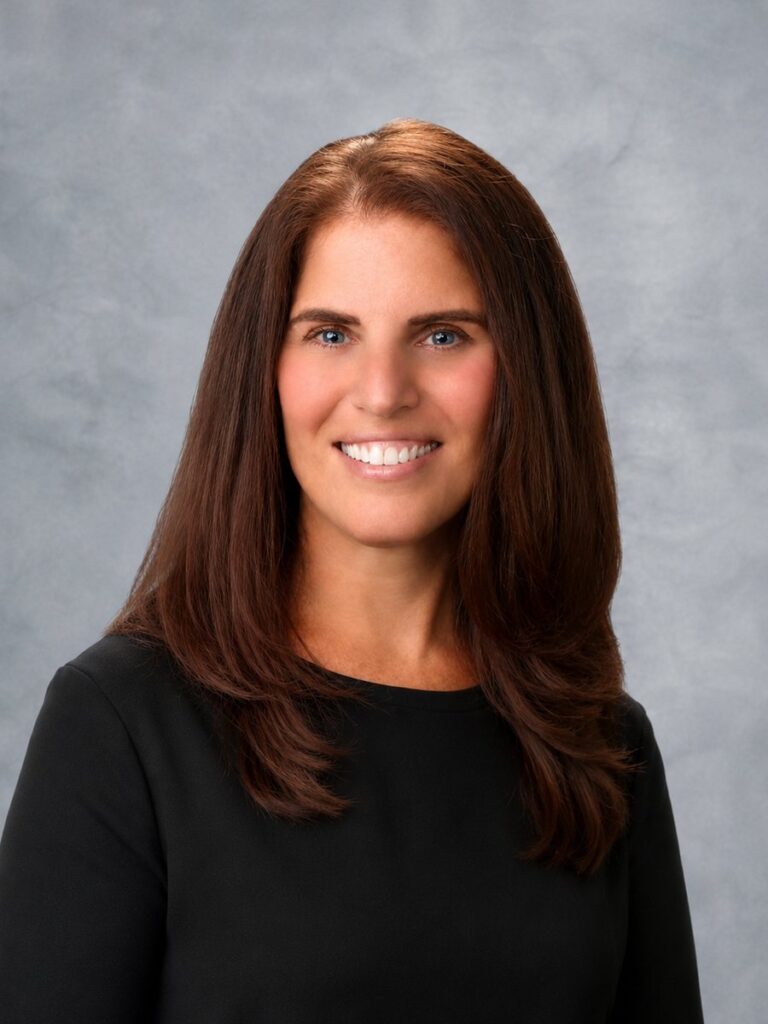
Clinicians who treat Couples Counseling, Relationship issues and Parenting Support



Couples and family therapy for Dover: getting here
Usual route: Eagle Rock Avenue (CR 611), I-280, I-80, CR 513.
Roseland Psychotherapy Associates
425 Eagle Rock Avenue, Suite 103
Roseland, NJ 07068 · (973) 226-1505 · Open in Maps
How to get started
Call or request a time
Call (973) 226-1505 or use the appointment form. Our office answers questions and can check your insurance coverage.
We match you
Tell us what is going on and when you are free. We pair you with the licensed clinician on our team who fits your concern and schedule.
Start in person or by video
Meet at 425 Eagle Rock Avenue with free parking, or log in from home in Dover. You can switch between the two as life changes.
Couples and family therapy in Dover: questions
Still unsure? Call (973) 226-1505 and ask us directly.
Is there couples and family therapy near Dover?
Yes. Roseland Psychotherapy Associates is about 25 minutes from Dover, and our licensed clinicians see couples, parents, children and step-families. Sessions are in our first-floor office with free parking or by secure video. Phone (973) 226-1505 and staff will connect you with a suitable clinician.
Who should come to the first family session?
It depends on what is happening at home. Some families begin with the whole household, others with the parents or with the couple. Call and describe the situation, and the office will suggest who should attend and match you with a clinician who fits. The arrangement can change as the work moves along.
Can we do family therapy by video from Dover?
Yes. Secure video is available anywhere in New Jersey. A parent can join from work, a college student from a dorm, and the rest of the family from home. Families often mix video visits with in-person sessions at our Roseland office, depending on the week.
Will my teenager have to talk in front of the whole family?
Not always. Teenagers are usually given some time on their own, since they often speak differently without their parents present. The clinician explains what stays private and what gets shared, with safety concerns always passed on to parents. Your teen needs to feel the room is theirs.
How long does family therapy last?
Sessions run 45 to 60 minutes, usually weekly at first. The total length depends on the goals you name, the number of people involved and how entrenched the pattern is. Your clinician reviews progress with you as things settle and adjusts how often you meet.
Does insurance cover couples and family therapy?
Coverage varies by plan. Call (973) 226-1505 and the office can check your coverage when you call. You do not need a referral to book. Share your plan details on the phone, and the staff will tell you what they find so you know before the first visit.
Call or text (973) 226-1505
We'd love to hear from you. Tell us a little about what's going on and we'll match you with the therapist who fits you best, and check your insurance while we're at it. If you already know who you'd like to see, we'll book you with them. No referral needed. Press 0 for scheduling.
Weekday, evening and weekend appointments. Most major insurance accepted.