
Service areas / Dover / CBT
CBT in Dover, NJ
Cognitive behavioral therapy is a structured, skills-based treatment with a long research record. For CBT in Dover, Roseland Psychotherapy Associates is about 25 minutes away in Roseland, with secure video sessions for people who prefer to stay home.
About 25 minutes from Dover to our Roseland office. Secure video anywhere in New Jersey. No referral needed.
Quick answer
Where can you find CBT in Dover? Roseland Psychotherapy Associates, at 425 Eagle Rock Avenue in Roseland, is about 25 minutes (18.7 miles) from town. Cognitive behavioral therapy is available from licensed clinicians at the Roseland office or over secure video from any New Jersey location. No referral is needed. The office at (973) 226-1505 can pair you with a clinician when you call.
What CBT in Dover looks like in practice
Cognitive Behavioral Therapy starts from a plain idea: your feelings about an event owe more to the interpretation you make a split second later than to the event itself. A friend passes you without saying hello. One person concludes the friend missed her and goes about her day. Another thinks she is angry and spends the evening replaying every recent conversation.
The event is the same in both cases. What changes is the thought, and with it the emotion and, typically, what happens next. These automatic interpretations happen so quickly that they feel like facts.
CBT slows them down and puts them on paper. What is the evidence for this thought, and what is the evidence against it? What would you tell a friend who thought it? The goal is accuracy, not forced positivity. Distressing thoughts usually bend the facts in familiar directions, and once the bend is straightened out, mood tends to improve.
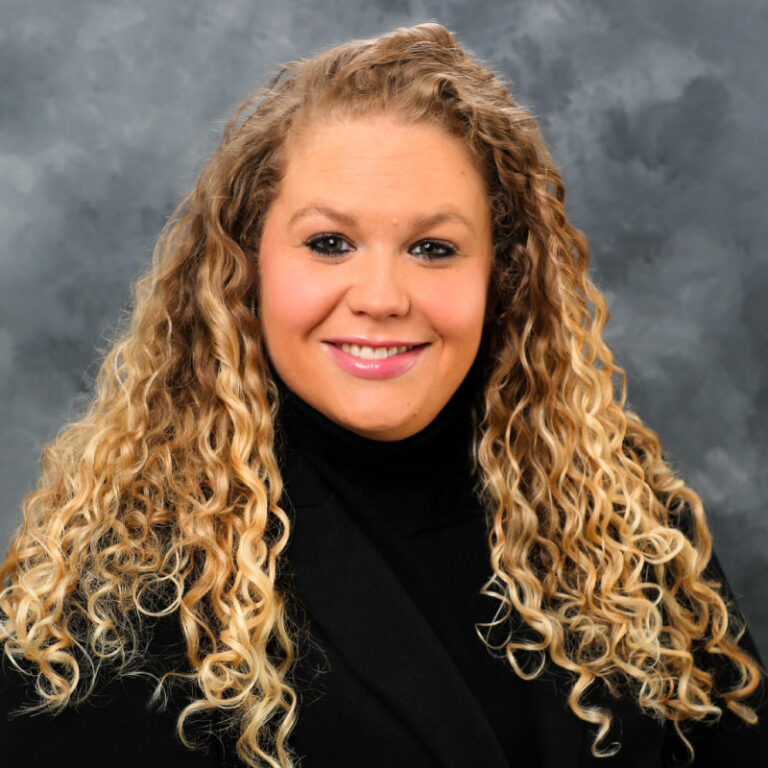
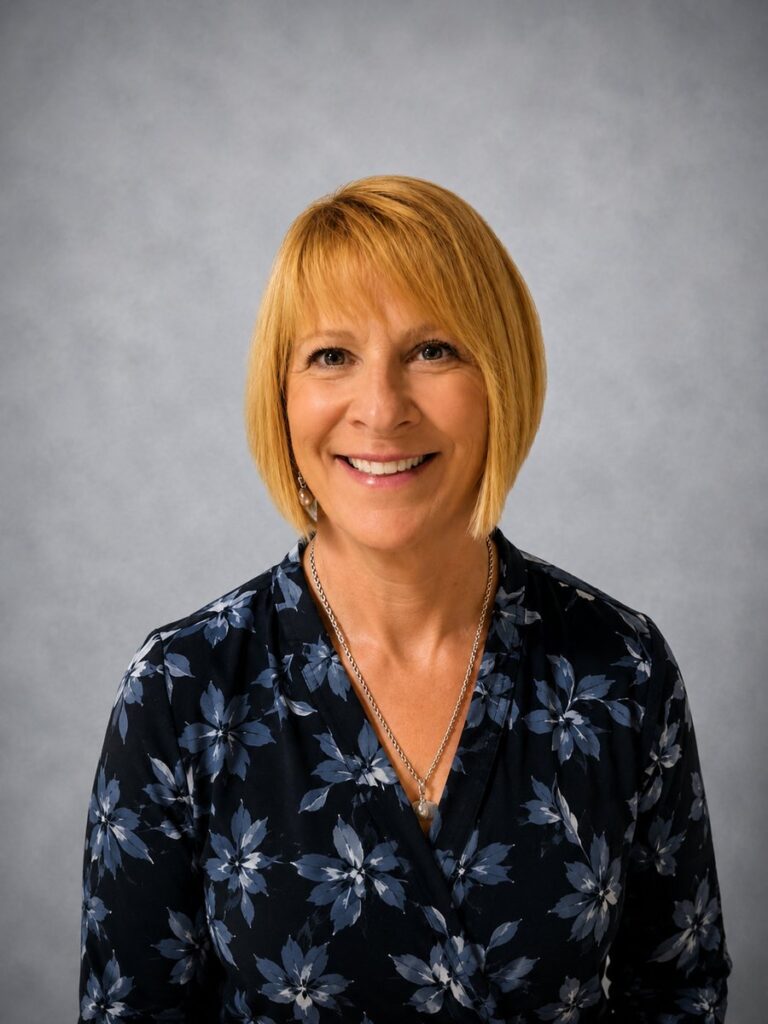
When you call, the office matches you with a clinician trained in CBT, such as Beth Levy-Merlin, PhD, MSW, LCSW. The main CBT page adds more about the method.
That process sounds abstract until you try it, and most people get the idea within one or two sessions.
 Clinically reviewed by Beth Levy-Merlin, PhD, MSW, LCSW, partner and co-founder of Roseland Psychotherapy Associates, in practice since 2001. Meet the team.

The loop that links thoughts, feelings and behavior
Thoughts, feelings and behaviors form a loop. The thought that you will embarrass yourself brings dread. Dread leads to avoidance. By steering clear, you never collect the experience that would have contradicted the thought, so it remains ready to fire again.
CBT works on the two parts of the loop that you can change directly: what you think and what you do. You cannot change a feeling just by deciding to. Feelings do shift reliably, though, when the other two parts change.
This is a practical way of working. You will not be asked to recount your whole life story in the first weeks. The early sessions map one problem as a loop: which situations set it off, what the mind says, what you do next, and what it costs.
That map becomes the plan. Every tool you learn is aimed at a specific link in the chain, and you can see whether it is working because you track it from week to week.
Many people find this relieving. A problem that felt like a character flaw becomes a pattern with parts, and parts can be changed one at a time.
Anyone looking into CBT in Dover can expect this kind of concrete, trackable work, and a clinician who explains each step before you try it.
A course of CBT, from first session to relapse plan
Compared with the therapy shown in movies, CBT follows a much tighter structure. Each session has an agenda that you set together. Targets are set early on, and you both check progress against them.
The early sessions are for assessment and goal-setting. In the middle of treatment you learn specific, teachable skills such as thought records, behavioral experiments, activity scheduling and graded exposure, then test your predictions in real situations, one chosen situation at a time.
Practice between sessions matters. One hour a week in an office cannot compete with the other 167, and homework puts some of those hours to use. Most of the change happens there.
In the final sessions, what worked goes into a written plan that you keep. Right from session one, the intention is that you learn to coach yourself, which is what allows treatment to finish.
Sessions at Roseland Psychotherapy Associates run 45 to 60 minutes, usually weekly. As your skills take hold, we decide together how often to meet. Our OCD specialist page for Dover describes how CBT-based exposure work is adapted for that condition.
You will not be handed a generic worksheet. Each tool is chosen for the pattern your own map shows, and it is dropped if it does not help.
Problems CBT is used to treat
Hardly any method in mental health has been researched as widely. Depression and the anxiety disorders, among them generalized anxiety, panic, social anxiety and phobias, are the conditions for which CBT is a first-line treatment. Modified forms play a main role in care for OCD, insomnia, stress-related problems and low self-esteem.
CBT is also used alongside other care. Someone under psychiatric care for a mood disorder frequently adds CBT, and when medication is part of the picture our practice works with nearby psychiatric professionals.
No single method suits every concern, and we do not treat CBT as if it did. If the central issue is grief, relationship patterns or old questions about identity, clinicians turn to psychodynamic, acceptance-based and family systems work, sometimes in place of CBT and sometimes combined with it. The method is chosen to suit the problem.
If you are not sure whether CBT is the right fit, say so on the phone. The first session is an evaluation, and your clinician will tell you plainly whether CBT, another method, or a mix makes sense for what you describe.
For many people the most common pairing is mood and worry together, which our depression and anxiety therapy page for Dover covers in more depth.
For readers weighing CBT in Dover against other options, the short answer is that it fits many common problems well, and that your clinician will say so honestly when it does not.
Who tends to do well with CBT
People who like clear steps often take to CBT quickly. If you appreciate an agenda, measurable goals and tools you can use on a Tuesday night, the structure may feel like a good match. People who prefer open-ended reflection may enjoy it less, and a clinician can blend styles.
You do not need to be a natural optimist, and you do not need to believe it will work. Skepticism is fine. CBT is built around testing claims, including claims about the therapy, so you can try the first tools and judge them by what happens.
It also works well for people who feel overwhelmed. Breaking a large worry into one situation, one thought and one next step makes the problem smaller and easier to handle.
Clients of many ages use CBT, and the methods are adapted for younger people with parents involved. If you are the parent of a teen, ask the office which clinician fits your child.
Nobody is asked to hide how they feel. Part of the skill is noticing hard emotions accurately, and your clinician treats them as useful signals instead of problems to be argued away.
Whatever your starting point, CBT in Dover through our practice is paced to you, with a plan you can see and change.
Getting from Dover to a CBT session
From Dover the drive to our Roseland office is about 25 minutes and 18.7 miles. Depending on the time of day, people use I-80, I-280, US-46, County Road 513 or County Road 611. Park free in front or along the side of 425 Eagle Rock Avenue, Suite 103, a first-floor suite.
Dover lies along the Rockaway River in Morris County, about 31 miles west of New York City, and the 2020 census counted 18,460 residents. We also serve the towns around it, including Wharton, Randolph, Denville and Victory Gardens.
CBT adapts well to video, and homework is often easier to review on a screen when you can share notes. Secure sessions are available anywhere in New Jersey, and many people mix office and video visits. You can schedule appointments on weekdays, evenings or weekends.
To start, call (973) 226-1505 or use the appointment request page. You do not need a referral, and the office can check your insurance coverage when you call.
If you work long hours or have children at home, the evening and weekend options can make a weekly routine possible.

Further reading: Association for Behavioral and Cognitive Therapies.
Who you'd see
Clinicians who treat Cognitive Behavioral Therapy (CBT)


CBT for Dover: getting here
Usual route: Eagle Rock Avenue (CR 611), I-280, I-80, CR 513.
Roseland Psychotherapy Associates
425 Eagle Rock Avenue, Suite 103
Roseland, NJ 07068 · (973) 226-1505 · Open in Maps
How to get started
Call or request a time
Call (973) 226-1505 or use the appointment form. Our office answers questions and can check your insurance coverage.
We match you
Tell us what is going on and when you are free. We pair you with the licensed clinician on our team who fits your concern and schedule.
Start in person or by video
Meet at 425 Eagle Rock Avenue with free parking, or log in from home in Dover. You can switch between the two as life changes.
CBT in Dover: questions
Still unsure? Call (973) 226-1505 and ask us directly.
Is there CBT near Dover?
Yes. Roseland Psychotherapy Associates is about 25 minutes from Dover in Roseland, and our licensed clinicians offer cognitive behavioral therapy for adults and young people. You can meet in the first-floor office or by secure video. Phone (973) 226-1505 and staff will pair you with a clinician trained in CBT.
Can I do CBT by video from Dover?
Yes. CBT adapts well to secure video, which we offer anywhere in New Jersey. Reviewing thought records and homework works smoothly on screen, and exposure practice can happen in your own surroundings. Many clients combine video visits with sessions at our Roseland office. Notes and worksheets can be shared on screen.
How long does CBT take?
Sessions run 45 to 60 minutes, usually weekly. Many courses of CBT are time-limited, with the number of sessions depending on the problem and your goals. Your clinician sets targets with you early, tracks progress, and plans the ending from the start, since the aim is for you to need less help.
Is homework required in CBT?
Practice between sessions is a central part of CBT, and most of the change happens there. The assignments are small and designed with you, such as keeping a thought record or testing a prediction. Your clinician reviews them at the next visit and adjusts them if they are too hard or too easy.
What conditions does CBT treat?
CBT is a first-line treatment for depression and anxiety disorders, including generalized anxiety, panic, social anxiety and phobias. Adapted versions help with OCD, insomnia and stress-related problems. It does not fit every concern, so your clinician may suggest other approaches alone or alongside it. Your clinician explains the options.
Does insurance cover CBT?
Coverage depends on your plan. Call (973) 226-1505 and the office can check your coverage when you call. You do not need a referral to book. Tell the staff your plan details and they will let you know what they find before you start. Staff can tell you what they find.
Call or text (973) 226-1505
We'd love to hear from you. Tell us a little about what's going on and we'll match you with the therapist who fits you best, and check your insurance while we're at it. If you already know who you'd like to see, we'll book you with them. No referral needed. Press 0 for scheduling.
Weekday, evening and weekend appointments. Most major insurance accepted.