
Service areas / Dover / Marriage therapy
Marriage therapy near Dover, NJ
Roseland Psychotherapy Associates sees married couples who want to repair, rebuild or decide. If you are looking for marriage therapy near Dover, our Roseland office is about 25 minutes away, and secure video sessions are available from home.
About 25 minutes from Dover to our Roseland office. Secure video anywhere in New Jersey. No referral needed.
Quick answer
Looking for marriage therapy near Dover? Roseland Psychotherapy Associates, at 425 Eagle Rock Avenue in Roseland, is about 25 minutes (18.7 miles) from Dover. Married couples can meet a licensed clinician face to face in Roseland, or join a secure video session from anywhere in New Jersey. No referral is needed. The office at (973) 226-1505 will pair you with the right clinician when you phone.
Marriage therapy near Dover for couples with years of history
A long marriage carries a ledger. Inside it are kindnesses and injuries, promises honored and dropped, one year when you shouldered everything and another when your spouse did. Once a marriage is in trouble, the fight happening tonight seldom stands alone. It tends to pull from an account that has been growing for decades.
Marriage therapy takes that history seriously. Your clinician starts from the fact that you bring decades of shared history into the room, not a few months of it. The first task is to understand how the two of you got to this point, and where each of you thinks things turned.
The distance often arrives quietly. Work, children and aging parents each give you a good reason to put the marriage itself off. Then the house gets calm, and two people find they have become efficient co-managers of a household and strangers at dinner.
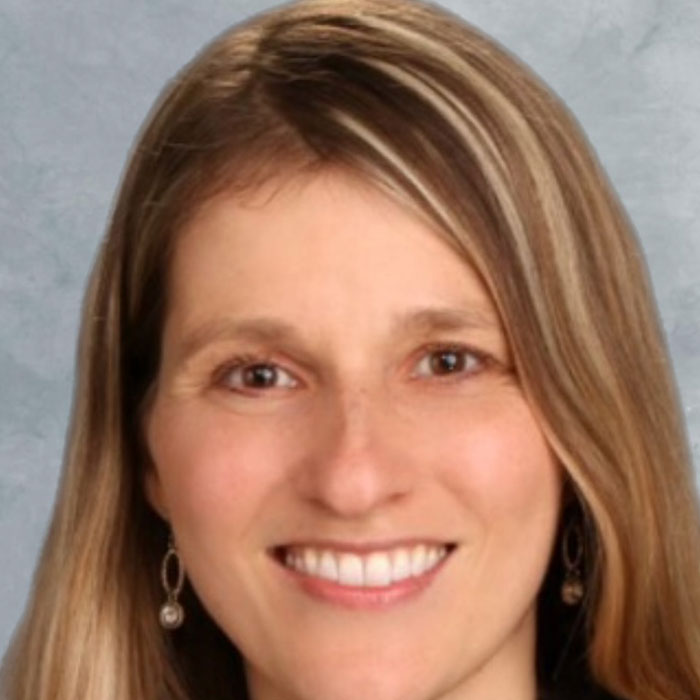
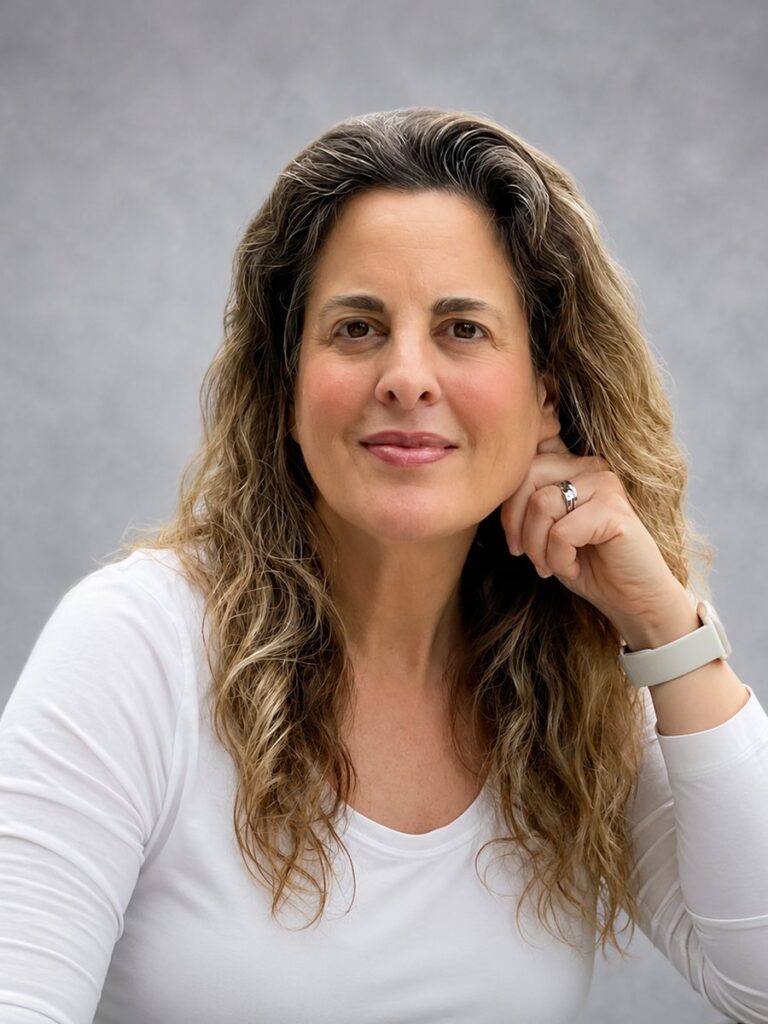
Long-standing patterns can still change with treatment. When you call, we match you with a licensed clinician who works with married couples, such as Julie Potischman, PhD, LPC, NCC, CST, who is also one of our founders. Our marriage therapy page describes the approach in more detail.
If you have been meaning to make this call for a long time, you are in good company. Many couples wait years, often until a child leaves or a crisis forces the subject. Starting sooner is easier, but starting late still works.
 Clinically reviewed by Julie Potischman, PhD, LPC, NCC, CST, partner and co-founder of Roseland Psychotherapy Associates and an AASECT-certified sex therapist. Meet the team.

Problems that bring married couples through the door
Couples rarely arrive with a single issue. Most describe a pile that has grown for years, and they are not sure where it started. Common starting points include:
- Stored-up resentment: hurts from years back that were set aside instead of mended
- The empty nest: once the kids move out, it becomes clear how much of the marriage was built around parenting
- A rupture: an affair, a secret coming to light, or a stretch of absence that one spouse cannot move beyond
- Diverging lives: retirement, belief, health or career pushing the two of you apart after a long stretch of agreement
- The unspoken question: whether staying married is still what either of you wants
Seeing yourselves on this list does not mean the marriage is over. Each is a pattern, and patterns respond to attention.
If the strain centers on a specific injury, our clinicians can talk through affair recovery on our infidelity therapy page for Dover. If the strain is mostly about physical closeness, our sex therapy page for Dover explains how that work differs. You do not have to start over with a new practice if the focus shifts.
Two people can describe the same marriage in very different words, and both can be right. Your clinician listens for the overlap and for the places where the stories diverge, since the gap between them is often where the pain sits.
Repair, and why it matters more than agreement
Every couple has ruptures. The difference between a marriage that grows deeper and one that goes hollow lies in how the two of you respond once the dust settles. When long marriages end, the cause is more often that nobody mended the break than that the love ran out.
In session, the pace is deliberately reduced so a repair has time to land. The injured spouse says the whole thing. The other spouse hears it without arguing back. The injury is acknowledged at its real size, neither minimized nor put on trial.
Done again and again, repairs like this are how trust comes back after years of distance. It is slow, and it is not dramatic. Many couples notice first that the arguments get shorter, and that one of you reaches out sooner after a hard exchange.
Your clinician also keeps the work on the present. The goal is not to re-try every old case from the last two decades. It is to understand the pattern that is happening now, since that is the one you can change this month.
Both spouses are treated as people who want things to be better, even on days when it does not look that way. A clinician who takes sides, or who keeps score, cannot help you.
Expect the early sessions to feel slower than you would like. Repair that is rushed tends to collapse at the next argument, so the pace is set with care and checked with both of you as the weeks go on.
When you are not sure the marriage can continue
In some couples one person is already halfway to leaving. In others the spouses want opposite things, with one hoping to rescue the marriage while the other has privately checked out. Standard marriage counseling assumes both partners want to stay, and at this point that is the wrong assumption.
Discernment-style work is built for this situation. The process is brief and organized, and it aims at a decision you make jointly instead of at fixing the marriage. Three paths are open: commit to the work, part ways on purpose, or stay put for now while things become clearer.
Either outcome, reached clearly, beats a decade of limbo. Nobody on our team steers you toward the door or toward the status quo. That decision belongs to the two of you, and our job is to help you make it with open eyes and without further damage.
If you decide to stay, the work continues in a regular weekly format. If you decide to separate, you can use sessions to end the marriage with dignity, which matters a great deal when children, extended family or shared finances are involved.
Couples sometimes worry that raising an old injury will only reopen it. In a structured session it is handled differently than at the kitchen table: one person speaks, the other listens, and the clinician keeps the exchange from turning into a trial.
How a course of marriage therapy is structured
Treatment opens with a joint history session covering how you met, what the years since have brought, and the point where each of you feels the marriage shifted. Early on, each spouse also gets individual time to speak without the other present. After many years together, there are usually topics neither spouse has ever voiced to anyone.
Joint sessions then run 45 to 60 minutes, usually weekly. They focus on the pattern you are caught in now. Partway through, your clinician holds an honest review of what has changed, what has not, and whether your goals still fit.
You do not have to settle every question before the first visit. Many couples begin without knowing what they want the outcome to be, and that is a workable place to start.
If the strain centers on a specific injury or on physical intimacy, we can bring in colleagues from within the practice, including clinicians experienced in affair recovery and certified sex therapists (CST). Our couples and family therapy page for Dover covers work that includes children or other relatives. When you are ready, request an appointment or call the office.
Sessions are meant to be useful between visits, too. Your clinician may suggest small, specific changes for the week, such as how you raise a hard topic or when you set aside time to talk, and the next session starts from how that went.
From Dover to our Roseland office, or from your own couch
Dover sits 18.7 miles from the Roseland office, roughly a 25-minute drive. Routes from Dover include I-80, I-280, County Road 611, County Road 513 and US-46. You will find us at 425 Eagle Rock Avenue, Suite 103; the suite is on the ground floor and parking is free in front and along the side.
Dover is a small town of 18,460 people (2020 census), about 31 miles west of New York City. We also serve couples from Victory Gardens, Wharton, Randolph, Mine Hill, Rockaway Township, Denville and Mountain Lakes. If both of you work and have children at home, a 25-minute drive each way can be hard to fit in.
Secure video is the other option. You can sit together in your own home or join from two separate locations, and many couples mix in-person and video visits. Weekday, evening and weekend appointments are offered by scheduling.
Call (973) 226-1505 or use the appointment request page. No referral is needed, and the office can check your insurance coverage when you call.

Further reading: American Association for Marriage and Family Therapy.
Who you'd see
Clinicians who treat Couples Counseling and Relationship issues


Marriage therapy for Dover: getting here
Usual route: Eagle Rock Avenue (CR 611), I-280, I-80, CR 513.
Roseland Psychotherapy Associates
425 Eagle Rock Avenue, Suite 103
Roseland, NJ 07068 · (973) 226-1505 · Open in Maps
How to get started
Call or request a time
Call (973) 226-1505 or use the appointment form. Our office answers questions and can check your insurance coverage.
We match you
Tell us what is going on and when you are free. We pair you with the licensed clinician on our team who fits your concern and schedule.
Start in person or by video
Meet at 425 Eagle Rock Avenue with free parking, or log in from home in Dover. You can switch between the two as life changes.
Marriage therapy in Dover: questions
Still unsure? Call (973) 226-1505 and ask us directly.
Is there marriage therapy near Dover?
Yes. Roseland Psychotherapy Associates is about 25 minutes from Dover in Roseland, with licensed clinicians who work with married couples. You can meet at our first-floor office with free parking or by secure video from home. Phone (973) 226-1505 and staff will pair you with someone suited to your situation.
Can my spouse and I do marriage therapy by video from Dover?
Yes. Secure video is available anywhere in New Jersey, so you can join from your living room or from two different places if schedules differ. Some couples begin in the office and shift to video when life gets busy. Your clinician will tell you if any part of the work is better done in person.
What if only one of us wants to come?
You can start with one spouse, and many people do. Individual sessions can help you sort out what you want and how to invite your partner in. The clinician will not pressure anyone. Call and describe the situation, and the office will suggest a first step that fits.
How long does marriage therapy take?
Joint sessions run 45 to 60 minutes and usually happen weekly. How long the work lasts depends on how many years of history there are and what you want to change. About halfway through, your clinician reviews progress with you and checks whether your goals still fit.
What if we are not sure we want to stay married?
Discernment-style work is designed for that. It is a short, structured process that aims at a clear decision rather than a repaired marriage. Clinicians do not lean on you in either direction. The choice stays with the two of you, and we help you reach it carefully.
Does insurance cover marriage therapy?
Coverage depends on your plan. Call (973) 226-1505 and the office can check your coverage when you call. You do not need a referral to book. Ask about it before your first visit and the staff will tell you what they find, so you can plan with that in hand.
Call or text (973) 226-1505
We'd love to hear from you. Tell us a little about what's going on and we'll match you with the therapist who fits you best, and check your insurance while we're at it. If you already know who you'd like to see, we'll book you with them. No referral needed. Press 0 for scheduling.
Weekday, evening and weekend appointments. Most major insurance accepted.