
Service areas / Haledon / Anxiety therapy
Anxiety therapist in Haledon, NJ
Roseland Psychotherapy Associates treats generalized anxiety, panic, social anxiety and phobias with evidence-based methods. If you need an anxiety therapist in Haledon, our Roseland office is about 23 minutes from the borough, and secure video sessions are open to you.
About 23 minutes from Haledon to our Roseland office. Secure video anywhere in New Jersey. No referral needed.
Quick answer
An anxiety therapist in Haledon is available through Roseland Psychotherapy Associates, 425 Eagle Rock Avenue in Roseland, about 23 minutes (13.5 miles) from the borough. Licensed clinicians treat anxiety with CBT and exposure-based methods, in person or by secure video anywhere in New Jersey. No referral is needed. Call (973) 226-1505.
When to see an anxiety therapist in Haledon
Nerves before a plane trip or an interview are universal. An anxiety disorder is something else. In a disorder, the internal alarm rings with no emergency present, refuses to quiet down afterward, and begins steering your choices, from the routes you take to the invitations you accept to the messages you manage to read.
Identifying the specific pattern matters, since the approach changes with the type. A good anxiety therapist in Haledon starts by listening for the shape of your worry, then tailors the plan to it.
The question to ask yourself is not whether you feel anxious, since everyone does. It is how much of your life has been rearranged around the feeling. If you have begun to avoid places, people or tasks, or if worry is costing you sleep most nights, treatment is likely to help.
You do not need a diagnosis before you call. The first session is an evaluation, and the clinician names what is going on in plain language. For many people, having a plain name for it is a relief in itself.
 Clinically reviewed by Beth Levy-Merlin, PhD, MSW, LCSW, partner and co-founder of Roseland Psychotherapy Associates, in practice since 2001. Meet the team.
The main patterns our clinicians treat
Anxiety takes several forms, and they respond to somewhat different approaches.
- Generalized anxiety: nonstop worry that jumps between health, finances, relatives and the job, along with tension, restlessness and broken sleep. The worry feels useful, and it usually is not.
- Panic disorder: abrupt surges of a pounding pulse, breathlessness, lightheadedness and a conviction that something is physically wrong. The bigger problem is often fear of the next attack.
- Social anxiety: strong fear of being judged, watched or embarrassed, often mistaken for shyness
- Specific phobias: driving, flying, needles, vomiting, animals and heights, narrow fears that can have large effects
A needle phobia, for instance, can keep someone away from medical care for a decade.
Compulsive rituals and intrusive thoughts are a separate pattern with its own treatment, covered on our OCD specialist page for Haledon. When worry comes with a heavy, flat mood, the depression and anxiety therapy page for Haledon explains how both are treated together.
Why anxiety feels so physical
A pounding pulse, a tight chest, a churning stomach, tingling fingers, a knot in the throat. The symptoms spread through the body because the whole body takes part in the threat response. Plenty of clients reach us after a heart evaluation or an emergency room trip turned up no medical cause.
Normal test results do not mean there is no problem. In many cases the trouble lies in the alarm system, and that system responds to treatment.
At the start of therapy, your clinician walks you through what your body is doing and the reason for it. For many people, understanding the mechanism makes the sensations less frightening, and a less frightened body produces fewer symptoms.
If you have new or unusual physical symptoms, see your physician first. Therapy works alongside medical care, never in place of it. Roseland Psychotherapy Associates does not prescribe medication, and when medication seems worth discussing, your clinician coordinates with local psychiatric professionals and provides referrals.
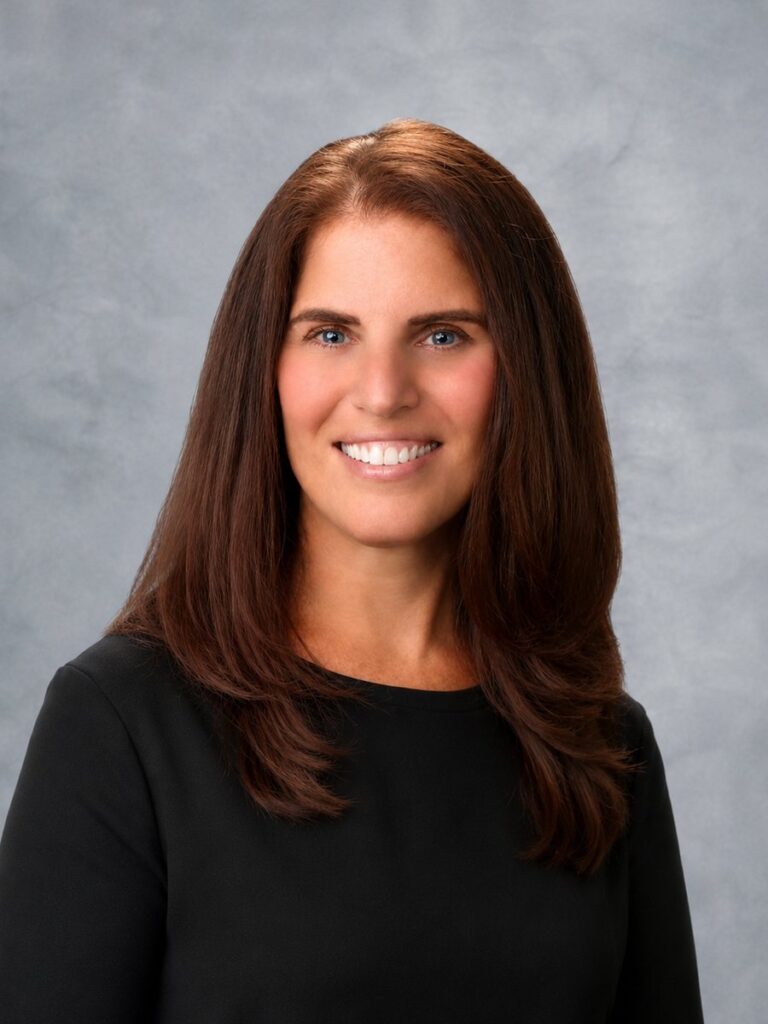
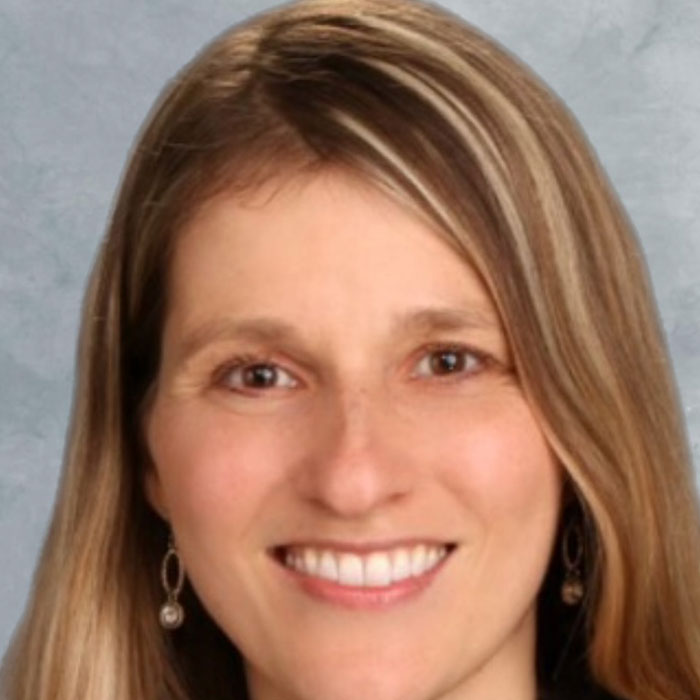
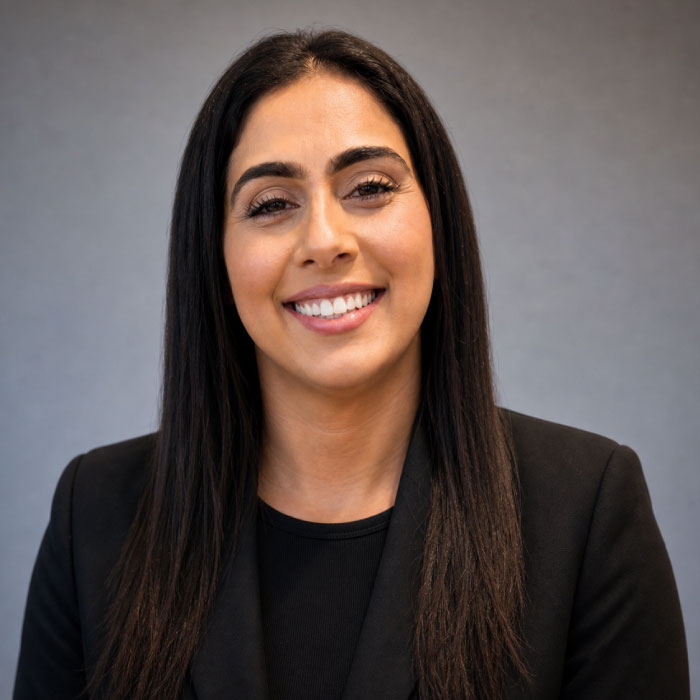
Clinicians who treat anxiety include Beth Levy-Merlin, PhD, MSW, LCSW and Eric Latzman, LCSW, and the office will match you with someone suited to your pattern.
How treatment works: approaching what you fear
Anxiety care rests mainly on moving toward the thing you dread rather than around it. Steering clear is what converts an ordinary scare into a disorder. Every missed drive on the highway or turned-down invitation tells the brain the situation was a real danger that you barely got away from. Therapy reverses that lesson.
CBT trains you to catch the forecasts anxiety offers, such as "I will faint," "they will laugh" or "I can't handle it." You then check those forecasts against real situations, gradually and only with your consent, and discover they did not come true. Our CBT page for Haledon describes that method in full.
With panic, a session may deliberately and safely stir up the sensations you fear until a fast heartbeat is only a fast heartbeat. With social anxiety, the work involves letting go of hidden crutches that feed the fear, like rehearsing too much or looking away. Phobias tend to respond to step-by-step exposure within a shorter time than most people assume.
Acceptance-based methods and training in relaxation and breathing are added when they suit the person. Whatever the diagnosis, the plan is shaped to the individual. You can read the general overview on our anxiety therapist page.
Anxious children and teenagers
In children and teens, anxiety frequently hides behind other behavior, for example morning stomachaches before school, tears at drop-off, perfectionism about homework, or a bedtime ritual that depends on reassurance and never settles things. Parents are sometimes told a child is shy or oppositional when worry is the real driver.
Younger clients receive age-appropriate methods from our clinicians, with parents taking part in the plan. The way a household reacts to a child's worry carries a lot of weight. Comfort helps. Rearranging the household around the worry tends to make it stronger.
Your clinician helps you find the line between support and accommodation, giving you specific phrases and routines to try at home. Small changes, applied consistently, often matter more than any single conversation.
Our child and teen therapy page for Haledon describes how sessions with younger clients are arranged, including how parents are kept informed.
If your child talks about self-harm or not wanting to be alive, call or text 988, the Suicide & Crisis Lifeline, or go to the nearest emergency room. For everything else, a call to the office is a good first step.
Making the trip from Haledon, or skipping it
Roseland is 13.5 miles and about 23 minutes from Haledon, a Passaic County borough of 9,052 people. Drivers use some mix of County Road 611, County Road 613, US 46, NJ 62 and County Road 675. Prospect Park, Paterson, Totowa and Wayne are neighboring communities. Park free at the front or side of 425 Eagle Rock Avenue and take the first-floor entrance to Suite 103.
If driving itself is hard for you, or leaving the house costs more than it should, you do not have to make the trip. An anxiety therapist in Haledon can meet you by secure video, which is available anywhere in New Jersey, and exposure work often fits well on a screen. Many clients start in the office and move to video, or the other way around.
Times on weekdays, evenings and weekends can be set up through scheduling. Call (973) 226-1505 or use the appointment request page. No referral is needed, and the office can check your insurance coverage when you call.

Further reading: Anxiety and Depression Association of America.
Who you'd see
Clinicians who treat Anxiety

Anxiety therapy for Haledon: getting here
Usual route: Eagle Rock Avenue (CR 611), CR 613, US-46, NJ-62.
Roseland Psychotherapy Associates
425 Eagle Rock Avenue, Suite 103
Roseland, NJ 07068 · (973) 226-1505 · Open in Maps
Nearby towns we also serve
How to get started
Call or request a time
Call (973) 226-1505 or use the appointment form. Our office answers questions and can check your insurance coverage.
We match you
Tell us what is going on and when you are free. We pair you with the licensed clinician on our team who fits your concern and schedule.
Start in person or by video
Meet at 425 Eagle Rock Avenue with free parking, or log in from home in Haledon. You can switch between the two as life changes.
Anxiety therapy in Haledon: questions
Still unsure? Call (973) 226-1505 and ask us directly.
Is there an anxiety therapist near Haledon?
Yes. Roseland Psychotherapy Associates is about 23 minutes from Haledon in Roseland. Licensed clinicians treat generalized anxiety, panic, social anxiety and phobias with CBT and other methods. You can meet in the office or by secure video. Call (973) 226-1505 and the office will match you.
Can I see an anxiety therapist by video from Haledon?
Yes. Secure video is available anywhere in New Jersey. It can be especially useful if driving or leaving the house is part of the difficulty, and exposure practice often works well on a screen. Many clients combine video sessions with visits to our Roseland office.
How do I know if I have an anxiety disorder?
Look at how much of your life has been rearranged around worry. If you avoid places or tasks, lose sleep most nights, or feel your body sounding an alarm without a real emergency, an evaluation is worthwhile. The first session sorts it out, so you do not need a diagnosis to call.
Will I be asked to face my fears right away?
No. The first session is an evaluation. Exposure work is gradual, step by step and only with your agreement. You and your clinician choose what to try, in what order and at what pace. Nobody is asked to face anything hard on day one.
How long does anxiety treatment take?
Sessions run 45 to 60 minutes, usually weekly. Specific phobias often resolve in fewer sessions than people expect, while generalized anxiety may take longer. Your clinician reviews progress with you and adjusts the plan as your skills build.
Does insurance cover anxiety therapy?
Coverage depends on your plan. Call (973) 226-1505 with your plan details and the office will check your coverage before your first appointment. You do not need a referral to book, and you do not need to decide anything about medication first.
Call or text (973) 226-1505
We'd love to hear from you. Tell us a little about what's going on and we'll match you with the therapist who fits you best, and check your insurance while we're at it. If you already know who you'd like to see, we'll book you with them. No referral needed. Press 0 for scheduling.
Weekday, evening and weekend appointments. Most major insurance accepted.